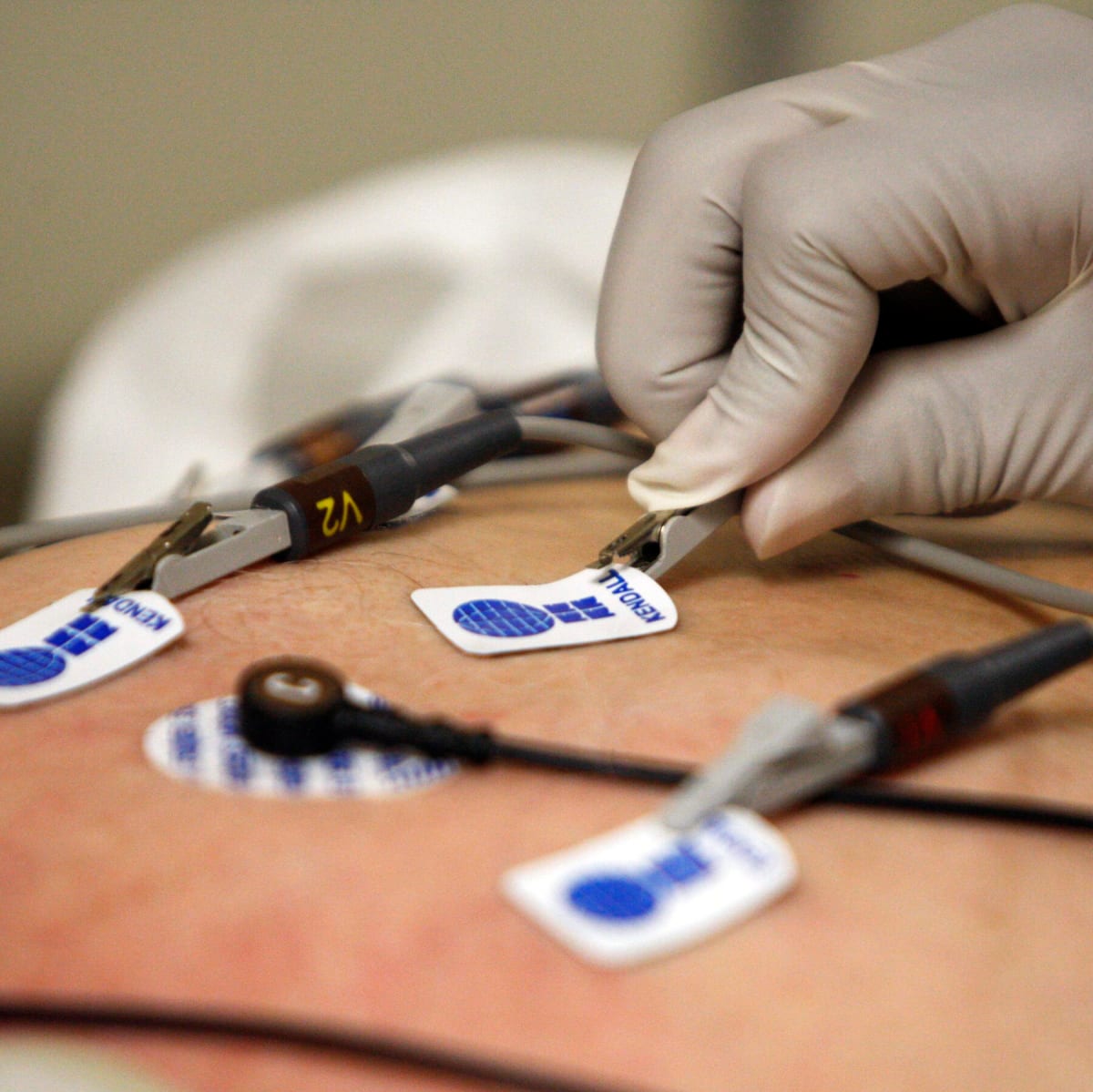
Electrocardiograms remain one of the most widely used diagnostic tools in cardiology, yet their interpretation is not infallible. Studies have shown that even board certified cardiologists can miss subtle but clinically significant patterns in ECG tracings, particularly in cases where symptoms mimic other conditions. The introduction of AI assisted analysis addresses a critical gap in diagnostic accuracy, offering a second layer of scrutiny that operates independently of human fatigue, bias, or oversight. This is especially valuable in primary care settings, where physicians may not have specialized cardiac training but still rely on ECGs for initial assessments.
The AI program in question was developed using deep learning algorithms trained on millions of ECG recordings, including those from patients with confirmed cardiac conditions. Unlike traditional diagnostic software, which relies on predefined rules, this system identifies complex, non linear patterns that correlate with specific heart abnormalities. In clinical trials, the tool demonstrated a higher sensitivity for detecting early stage cardiomyopathies, conduction disorders, and even subclinical atrial fibrillation compared to standard physician interpretation. One notable case involved a patient whose recurrent shortness of breath was repeatedly attributed to asthma before the AI flagged an underlying arrhythmia that had gone unnoticed in multiple prior ECGs.
The decision to offer the program free of charge stems from a collaboration between academic researchers and a health technology nonprofit. The goal is to democratize access to advanced diagnostic support, particularly in low resource settings where specialist care may be scarce. The AI does not replace clinical judgment but rather serves as a decision support tool, highlighting potential areas of concern for further review. Early adopters report that the system integrates seamlessly with existing electronic health record systems, requiring no additional hardware or complex installation.





DISCUSSION (0)