
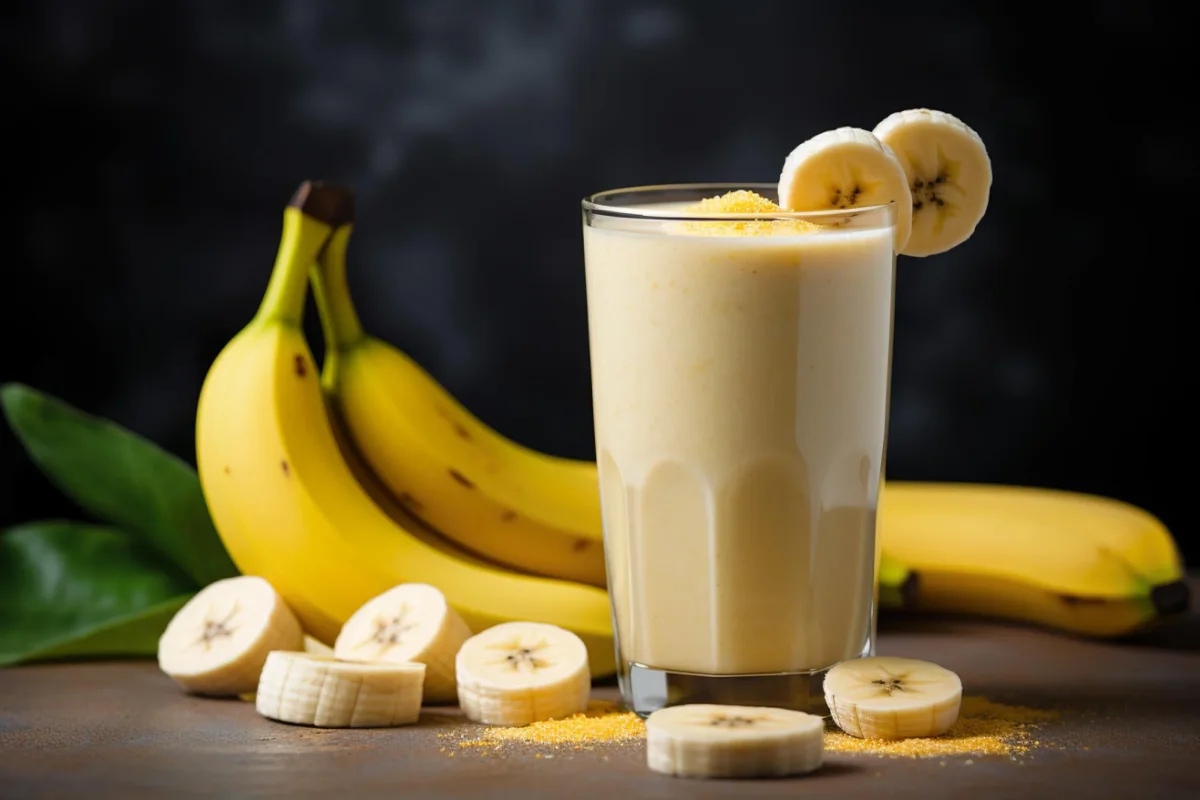
The next time you blend a banana into your berry smoothie, consider this: the combination may be sabotaging much of the drink’s potential heart and brain health benefits. A new study from the University of California, Davis reveals that pairing bananas with flavanol rich ingredients like berries can reduce the body’s absorption of these beneficial plant compounds by as much as 84%.
The research, published in the Royal Society of Chemistry journal Food & Function, highlights an unexpected interaction between food enzymes and nutrients. Flavonoids, particularly flavanols found in berries, grapes, cocoa, and other common smoothie ingredients, are linked to improved cardiovascular health and cognitive function. However, when blended with fruits high in polyphenol oxidase (PPO), an enzyme responsible for browning reactions in cut fruit, their bioavailability plummets.
Bananas, with their high PPO activity, emerged as the primary culprit. In the study, participants who consumed a banana based smoothie alongside berries showed an 84% reduction in flavanol absorption compared to a control group that drank a flavanol capsule. Even when the ingredients were separated before consumption, the presence of PPO in the banana still impaired nutrient uptake, suggesting the enzyme remains active in the digestive process.
‘We were surprised to see how quickly adding a single banana decreased flavanols in the smoothie and the body,’ said lead author Javier Ottaviani, director of the Core Laboratory of Mars Edge and adjunct researcher at UC Davis. ‘This shows how food preparation can dramatically alter the nutritional value of what we eat.’
The findings do not condemn bananas, still a rich source of fiber, potassium, and vitamins, but they do underscore the importance of strategic ingredient pairing. For those seeking to maximize flavanol intake, researchers recommend combining berries, grapes, or cocoa with low PPO fruits like pineapple, oranges, or mangoes, or even yogurt. The Academy of Nutrition and Dietetics suggests adults aim for 400 to 600 milligrams of flavanols daily to support heart and metabolic health.
While the study does not advocate eliminating bananas from diets, it offers a practical takeaway: if heart and brain health are the priority, smoothie recipes may need a tweak. The research also raises broader questions about how food preparation, from blending to digestion, can influence nutrient absorption, a factor often overlooked in dietary guidance.








DISCUSSION (0)