
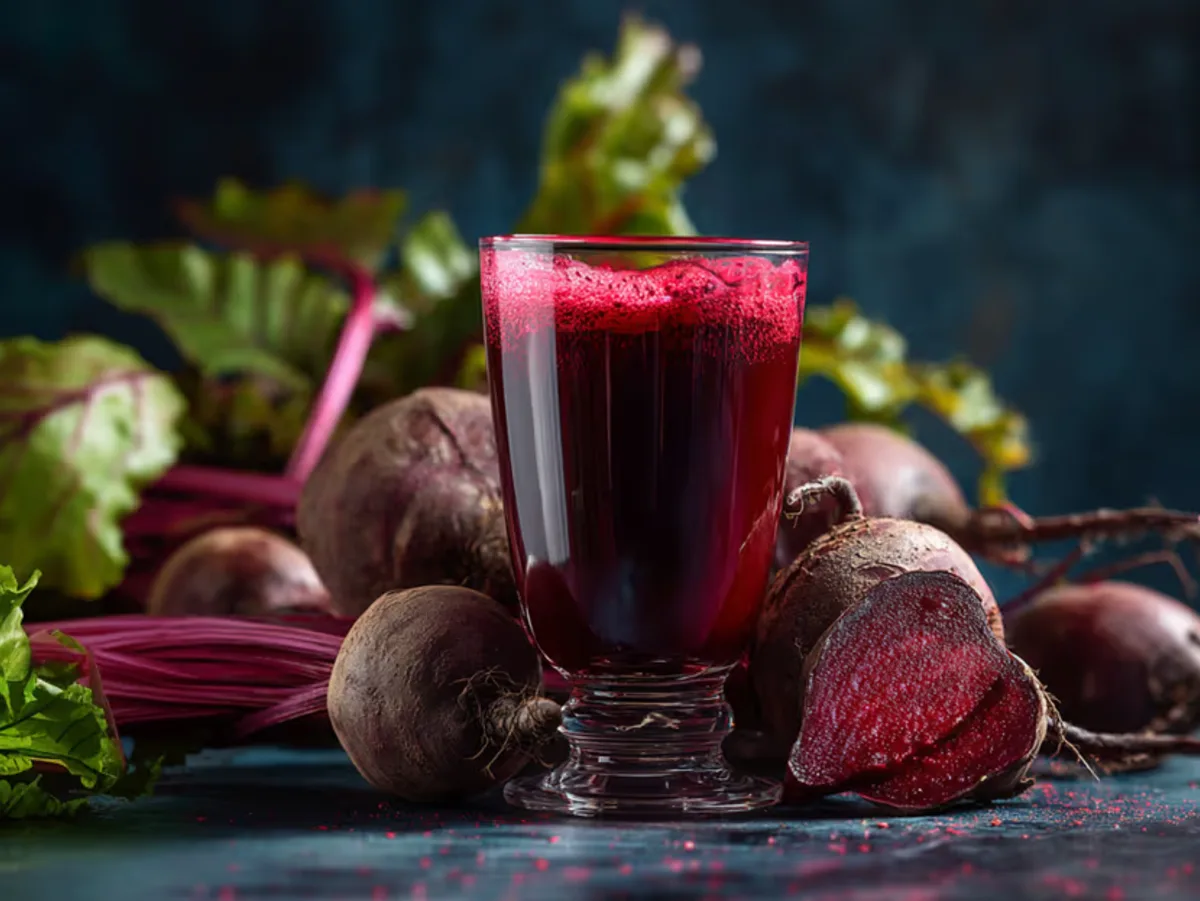
A simple daily habit, drinking beetroot juice, may offer a natural way to lower blood pressure in older adults, according to a groundbreaking study from the University of Exeter. Published in Free Radical Biology and Medicine, the research reveals that two weeks of concentrated beetroot juice consumption reshaped the oral microbiome in older participants, leading to measurable reductions in blood pressure, a benefit not observed in younger adults.
The study highlights a critical link between dietary nitrate, oral bacteria, and cardiovascular health. Nitrate, naturally abundant in vegetables like beetroot, spinach, arugula, fennel, celery, and kale, undergoes a transformation in the mouth before reaching the bloodstream. Beneficial bacteria in the oral cavity convert dietary nitrate into compounds that support the production of nitric oxide, a molecule essential for maintaining healthy blood vessel function and regulating blood pressure.
Researchers found that older adults, who typically produce less nitric oxide as they age, experienced significant shifts in their oral microbiome after drinking nitrate rich beetroot juice twice daily. Specifically, levels of Prevotella, a group of bacteria associated with potential harm in this context, decreased, while beneficial bacteria like Neisseria became more abundant. These changes coincided with a noticeable drop in blood pressure, an effect not seen in younger participants or when older adults consumed a nitrate free placebo.
The trial, the largest of its kind, included 39 adults under 30 and 36 adults aged 60, 70, all recruited through the National Institute for Health and Care Research (NIHR). Participants underwent two two week phases: one with nitrate rich beetroot juice and another with a nitrate depleted placebo, separated by a washout period. Blood pressure measurements and bacterial gene sequencing confirmed that the microbiome changes in older adults were directly linked to improved vascular function.
The findings align with broader scientific understanding that aging reduces nitric oxide production, contributing to higher blood pressure, a key risk factor for heart disease and stroke. Lead author Professor Anni Vanhatalo of the University of Exeter emphasized the potential public health implications: Older people produce less nitric oxide naturally, and their blood pressure tends to be higher. This study suggests that dietary nitrate could help mitigate those effects by optimizing the oral microbiome's role in nitric oxide synthesis.
While the study does not establish causation, it provides compelling evidence that targeted dietary interventions, such as beetroot juice, could offer a simple, non pharmacological strategy to support cardiovascular health in older populations. Further research may explore whether these benefits extend to other nitrate rich foods or if personalized microbiome based approaches could enhance outcomes.








DISCUSSION (0)