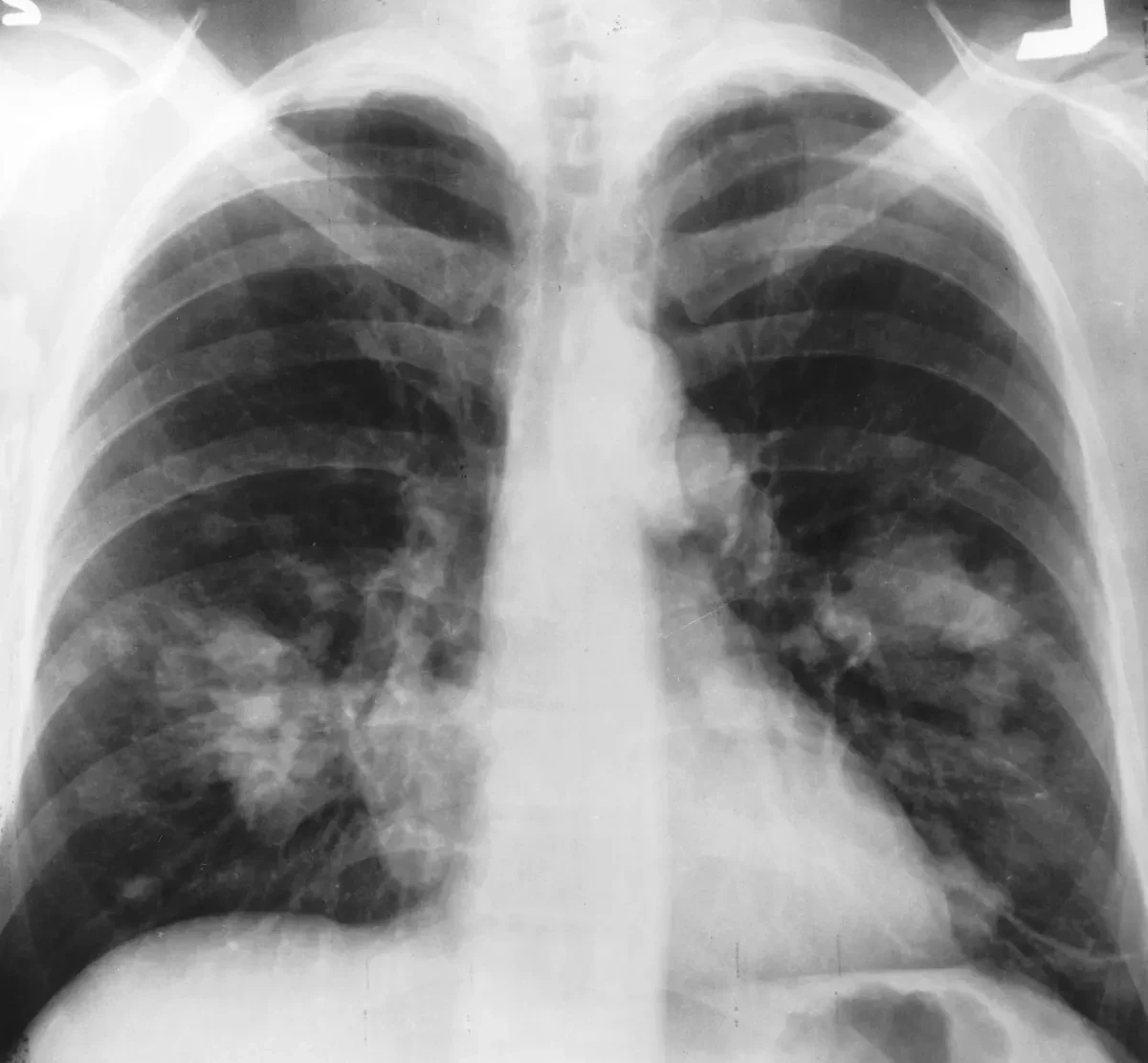
A new study published in The Journal of Nuclear Medicine reveals that lower brain metabolism, measured through standard ¹⁸F FDG PET/CT scans, is strongly associated with higher mortality in patients with advanced non small cell lung cancer (NSCLC), a leading cause of cancer related deaths worldwide.
The research, led by Julie Auriac, Ph.D., of the Imaging, Innovative Radiotherapy, and Systems Medicine Laboratory (IRIS) in France, found that patients with reduced brain metabolic activity had significantly shorter overall survival. Specifically, those who died within one year exhibited markedly lower brain metabolism compared to survivors at the same time point. The findings suggest that brain metabolism, already captured during routine PET/CT scans, could serve as an independent prognostic factor, complementing traditional clinical and biological markers.
Lung cancer remains a formidable challenge, with median survival for metastatic patients hovering around five months despite advances in treatment. Current prognostic tools often rely on tumor characteristics alone, but this study underscores the importance of considering the disease as a systemic condition. By incorporating brain metabolism data, derived without additional patient burden, clinicians may better identify those at highest risk of early mortality, enabling earlier and more targeted supportive care interventions.
The study analyzed pretreatment PET/CT scans from advanced NSCLC patients between 2010 and 2023, correlating brain metabolic activity with clinical outcomes. While tumor features remain critical, the researchers noted that brain metabolism provided unique, complementary insights, reinforcing the need to explore metabolic activity across multiple organs for more holistic prognostic assessments.
‘Our findings highlight that cancer prognosis isn’t determined solely by tumor characteristics,’ said Auriac. ‘Brain metabolism, measurable from existing imaging data, offers a straightforward yet powerful tool to refine survival predictions, without requiring additional tests.’
The implications extend beyond individual patient care, offering potential efficiencies in clinical workflows by leveraging data already collected during standard diagnostic procedures.








DISCUSSION (0)