
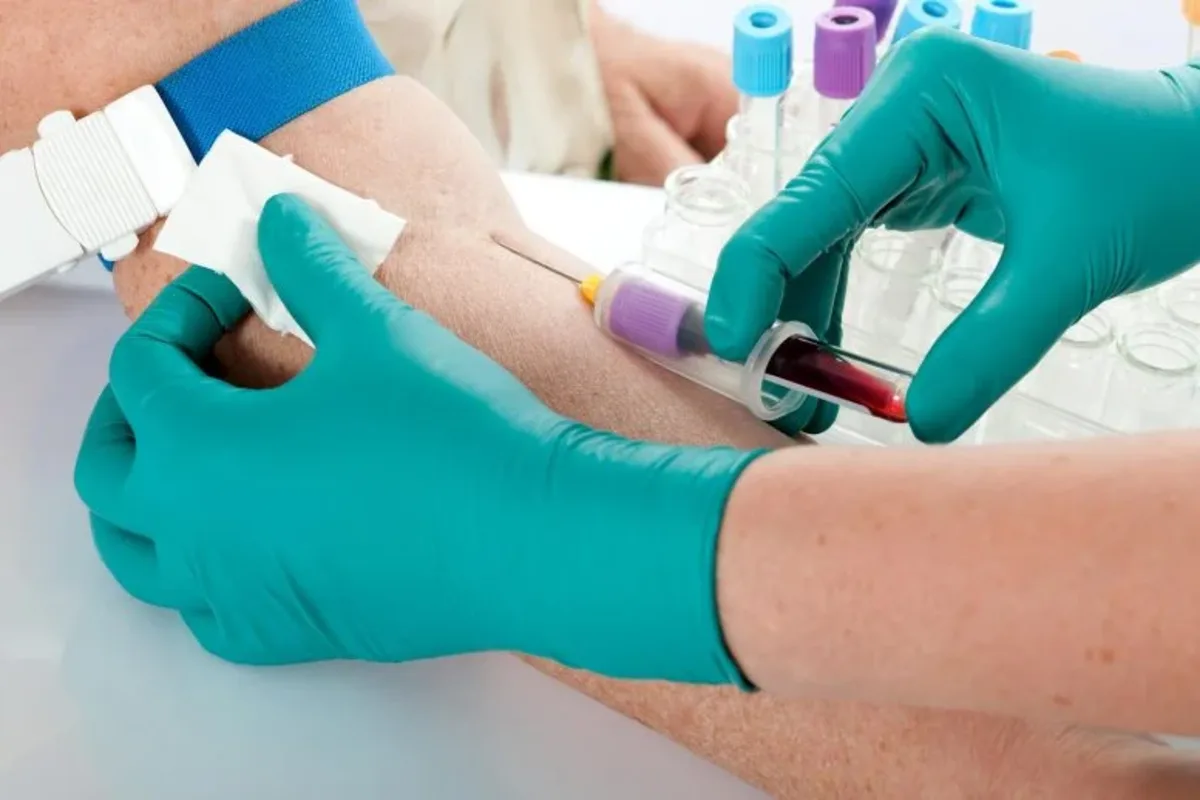
A simple blood test could soon transform the monitoring of lung transplant patients by eliminating the need for invasive biopsies, according to research published in the American Journal of Transplantation. The breakthrough, developed by scientists at Yale University, targets acute cellular rejection (ACR), a critical but difficult to detect complication that threatens long term survival for transplant recipients.
Lung transplants carry some of the highest rates of ACR among solid organ transplants, often requiring repeated surgical biopsies to assess rejection. These procedures carry risks, including bleeding and air leakage in the chest cavity, while also causing discomfort for patients. The new blood test, however, detects rejection by analyzing tiny biological packages called small extracellular vesicles (sEVs) released by immune T cells, key drivers of ACR.
‘We could be on the verge of replacing or significantly reducing the need for biopsies in lung transplant monitoring,’ said Dr. Prashanth Vallabhajosyula, a study co principal investigator and professor of surgery at Yale. His team previously developed a similar blood test for heart transplant patients, and this research extends the approach to lung transplants.
The challenge in creating a noninvasive test lies in isolating sEVs from T cells, which make up less than 1% of all circulating vesicles in the blood. The researchers overcame this by developing a technology to enrich T cell derived sEVs. In mouse models, they found that sEV profiles changed predictably in animals experiencing ACR, mirroring tissue level rejection markers.
Human validation came from a study of 20 bilateral lung transplant patients, whose blood samples were analyzed at one, three, and 30 days post surgery. Patients with ACR showed distinct sEV changes, aligning perfectly with biopsy results. ‘The differences between rejecting and non rejecting patients were stark,’ Vallabhajosyula noted. ‘This confirms our technology can reliably detect ACR without invasive procedures.’
Lung transplants already face poorer long term survival rates than other organ transplants, with only about 60% of patients surviving five years. Chronic rejection, marked by lung scarring, currently has no effective treatment, and early ACR episodes accelerate this decline. If validated, the blood test could enable earlier intervention, potentially improving survival and quality of life for transplant patients.
The team is now refining the test for clinical use, with hopes of transitioning it from research to routine monitoring in the coming years.








DISCUSSION (0)