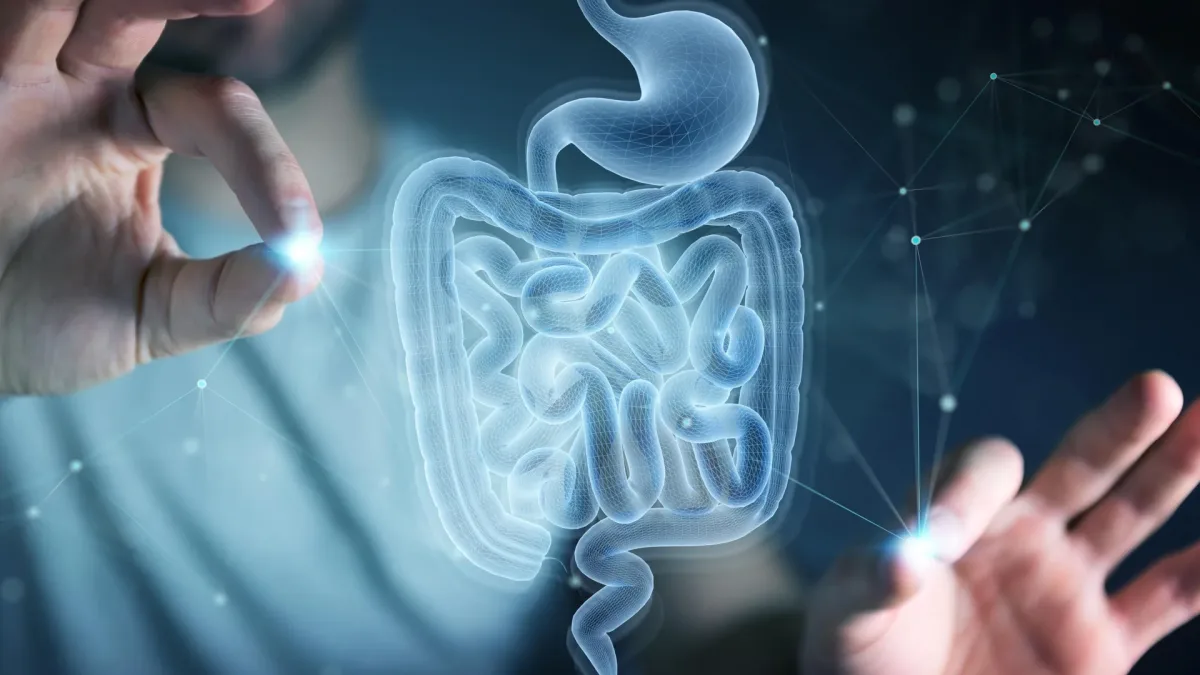
A simple yet powerful amino acid found in everyday foods may hold the key to faster gut healing for cancer patients undergoing radiation therapy, according to groundbreaking research from the Massachusetts Institute of Technology (MIT).
Published in Nature, the study identifies cysteine, a nutrient abundant in meat, dairy, beans, and nuts, as a direct trigger for intestinal repair. In experiments with mice, MIT scientists discovered that a cysteine rich diet activated immune cells in the gut, prompting them to release a signaling protein called IL 22. This protein, in turn, stimulated stem cells to rebuild damaged intestinal tissue after exposure to radiation.
The findings suggest that dietary interventions, rather than synthetic drugs, could mitigate one of the most debilitating side effects of cancer treatment: radiation induced gut damage. “The beauty here is we’re not using a synthetic molecule; we’re exploiting a natural dietary compound,” said Omer Yilmaz, director of MIT’s Stem Cell Initiative and lead researcher on the study.
Previous research had linked broader dietary patterns, such as fasting or calorie restriction, to improved stem cell function, but this is the first time scientists have pinpointed a single nutrient with this regenerative effect. Yilmaz and his team tested 20 amino acids, and cysteine stood out as the most potent activator of intestinal stem cells and progenitor cells, the precursors to mature intestinal lining cells.
The biological mechanism behind cysteine’s effect is precise. When intestinal cells absorb the amino acid, they convert it into a molecule called CoA, which is then absorbed by immune cells known as CD8 T cells. These cells, typically not associated with IL 22 production, expand rapidly in response to cysteine and begin secreting the protein. IL 22, in turn, signals stem cells to accelerate tissue repair, particularly in the small intestine, the primary site of protein absorption.
“What’s really exciting is that feeding mice a cysteine rich diet leads to the expansion of an immune cell population that we typically don’t associate with IL 22 production,” Yilmaz explained. “This suggests that dietary strategies could be a simple, non invasive way to support gut recovery in patients undergoing chemotherapy or radiation.”
The implications for clinical care are significant. Radiation therapy often damages the intestinal lining, causing severe complications like diarrhea, malnutrition, and prolonged hospital stays. If confirmed in human trials, cysteine supplementation or dietary adjustments could offer a low risk, accessible intervention to reduce these effects.
While the study was conducted in mice, the researchers emphasize that the biological pathways involved are highly conserved across species. Further research will focus on translating these findings into human applications, potentially paving the way for personalized dietary recommendations in oncology care.
The study underscores the growing role of nutrition in precision medicine, demonstrating how everyday foods may play a critical role in healing, without the need for pharmaceuticals.








DISCUSSION (0)