
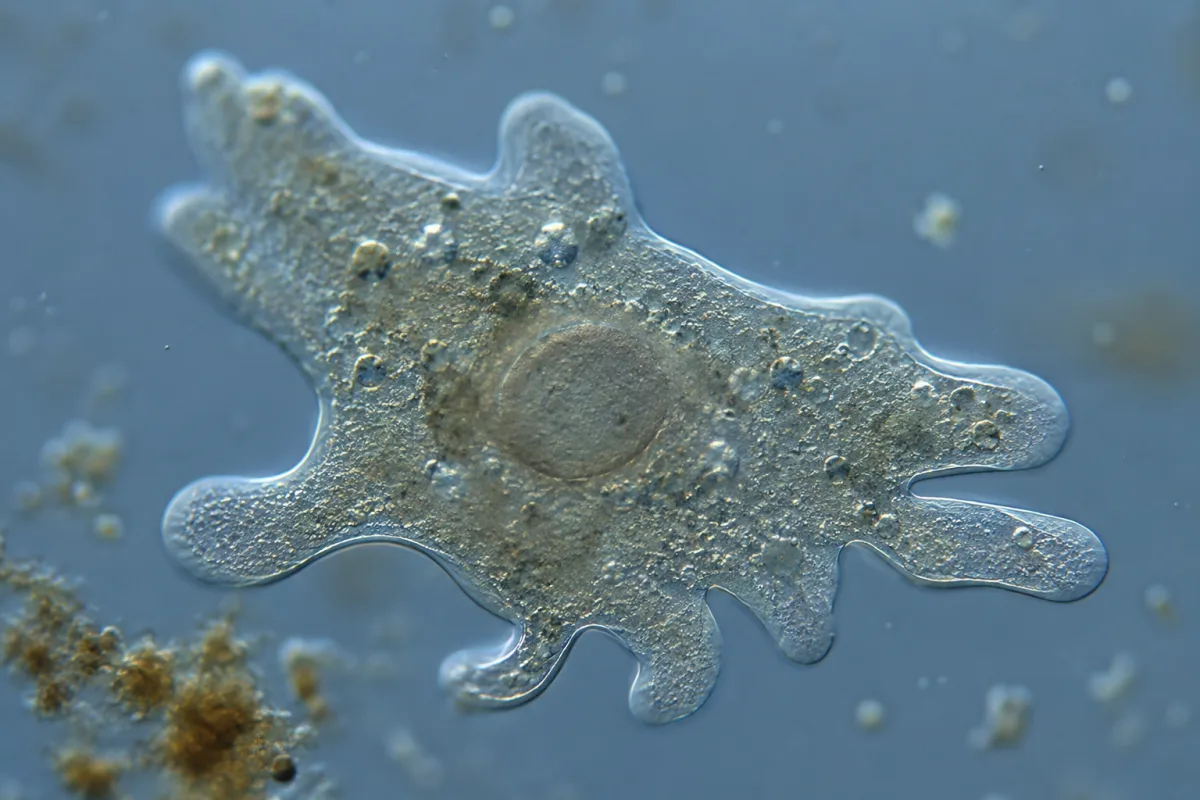
The death of a young boy in Kerala, India, has brought renewed attention to Naegleria fowleri, a rare but nearly always fatal amoeba that causes a devastating brain infection known as primary amoebic meningoencephalitis (PAM). According to a recent report, the boy’s family is warning others about the dangers of this waterborne pathogen, which thrives in warm freshwater environments and can be lethal within days of infection.
The Naegleria fowleri amoeba enters the body through the nose, typically during swimming or other water activities in contaminated lakes, rivers, or poorly maintained swimming pools. Once inside, it travels to the brain, where it destroys neural tissue, leading to severe inflammation, seizures, and rapid neurological decline. The Centers for Disease Control and Prevention (CDC) estimates that the infection has a mortality rate of over 97%, with only a handful of survivors reported globally since its first documented case in 1962.
Symptoms of PAM often begin abruptly with severe headache, high fever, nausea, and stiff neck, signs that mimic bacterial meningitis. However, within 24 to 48 hours, patients may experience hallucinations, seizures, confusion, and loss of balance. By the time these symptoms appear, the infection is already advanced, and treatment with the antifungal drug miltefosine, combined with supportive care, becomes critical. Even then, recovery is rare.
The CDC notes that most cases occur in the southern United States, particularly in warm freshwater bodies during summer months, but outbreaks have also been reported in other regions, including India. In Kerala, where the recent case occurred, authorities have emphasized the importance of public awareness, especially after a cluster of infections was documented in 2013. Experts warn that children are particularly vulnerable due to their tendency to play in water and their underdeveloped immune responses.
To reduce the risk of exposure, health officials recommend avoiding activities that involve submerging the nose underwater in natural bodies of warm freshwater. If swimming is unavoidable, wearing nose clips or keeping the nose above water can help prevent the amoeba from entering the nasal passages. Additionally, regularly chlorinating swimming pools and avoiding poorly maintained water sources further lowers the chances of infection.
Families in affected regions are urged to monitor their children for unusual symptoms, particularly after water related activities. Early recognition of PAM symptoms is critical, as delayed treatment worsens outcomes. While the risk remains low for most travelers or locals, the severity of the infection underscores the need for vigilance, especially in areas with confirmed cases.
The World Health Organization (WHO) has previously highlighted Naegleria fowleri as a neglected but serious public health threat, particularly in tropical and subtropical regions. As climate change continues to alter water temperatures and patterns, experts caution that the geographic range of this amoeba may expand, increasing the potential for future outbreaks.
For now, the focus remains on prevention. Parents and caregivers are advised to educate children about the dangers of playing in unfamiliar water sources and to supervise them closely during recreational activities. While the odds of encountering Naegleria fowleri remain slim, the consequences of an infection make awareness an essential part of public health preparedness.







DISCUSSION (0)