
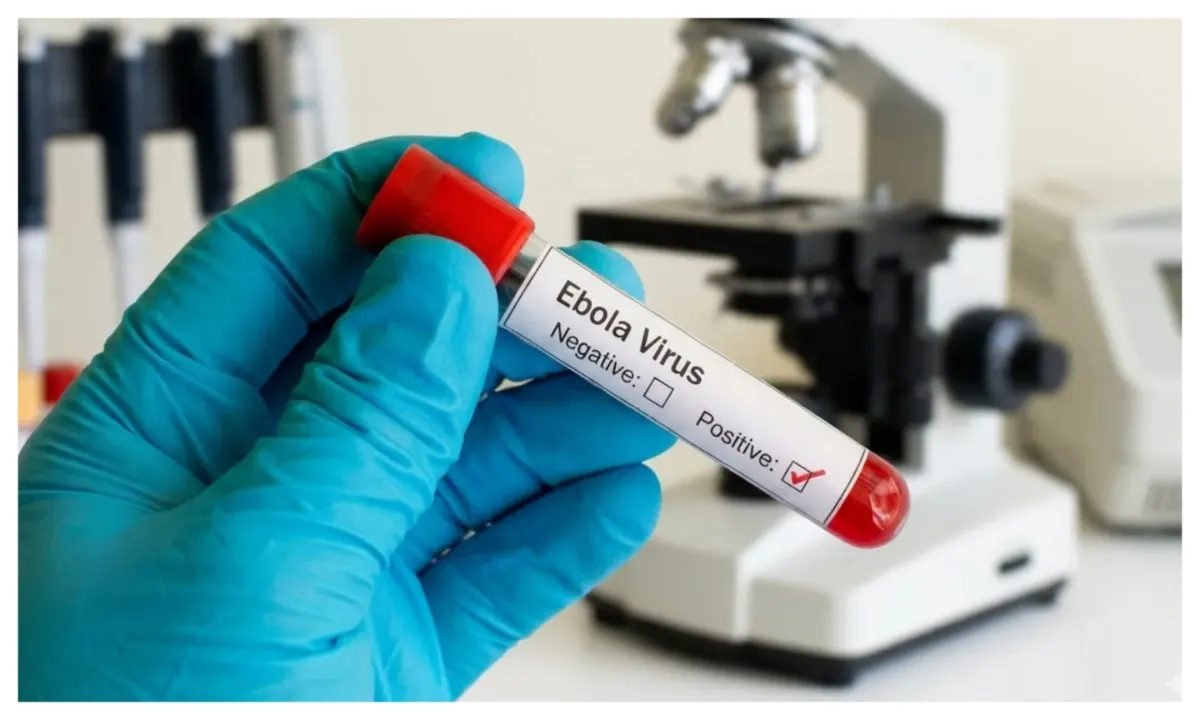
Nigerian health officials are warning that Ebola Virus Disease (EVD) is being mistaken for malaria in its early stages, a dangerous overlap that could lead to fatal delays in diagnosis and treatment. With both conditions sharing fever, headache, fatigue, and body aches as initial symptoms, experts urge immediate medical evaluation, especially after malaria treatment fails, to prevent outbreaks.
The concern comes amid rising Ebola activity in neighboring regions and Nigeria’s heavy burden of malaria, which often prompts self medication or delayed care. Dr. Abdullahi Nasiru, a public health specialist, told reporters in Abuja that without laboratory testing, distinguishing between the two diseases is nearly impossible. While malaria responds to antimalarial drugs, Ebola progresses rapidly, causing severe complications like internal bleeding, organ failure, and death in up to 90% of untreated cases.
The risk is compounded by Nigeria’s porous borders and high population density, where travelers and residents may unknowingly spread Ebola before symptoms worsen. Public health authorities are urging vigilance, as misdiagnosis not only endangers individuals but also risks community transmission through contact with bodily fluids.
Healthcare providers are advised to maintain a high suspicion for Ebola in patients with persistent fevers, particularly those with recent travel history or exposure to infected individuals. The Nigerian Centre for Disease Control (NCDC) has activated its Ebola response plan, including enhanced surveillance, lab testing, and public awareness campaigns. The World Health Organization (WHO) is supporting these efforts with training for healthcare workers to recognize subtle differences between the diseases.
To reduce risks, authorities recommend avoiding self medication with antimalarial drugs, seeking immediate medical attention for worsening symptoms, and reporting suspected cases to health authorities. Strict hygiene practices and limiting contact with bodily fluids of sick individuals are also critical to preventing spread.
With both diseases endemic in Nigeria, residents are advised to recognize that not all fevers are malaria, and that persistent symptoms after treatment demand further investigation. Early detection remains the best defense against Ebola’s deadly progression.






DISCUSSION (0)