
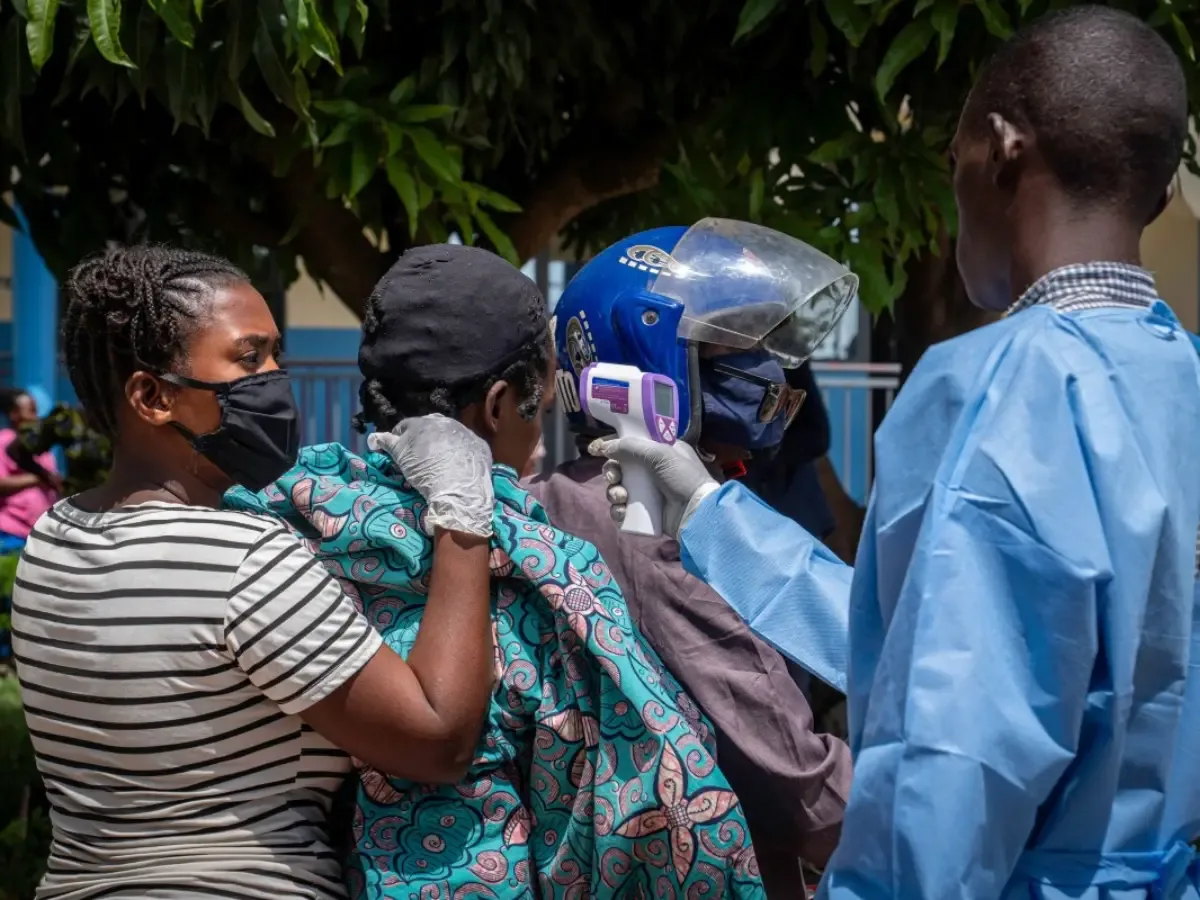
A rare strain of Ebola virus, last detected in 2012, has crossed borders from eastern Democratic Republic of Congo (DRC) into Uganda, raising urgent concerns for South Sudan, where WHO modeling predicts a high likelihood of transmission within the next three months.
The outbreak, caused by the Bundibugyo ebolavirus, was officially declared on May 15, 2026, after six weeks of undetected spread in a region already strained by conflict, displacement, and limited healthcare access. As of June 22, 2026, the DRC has recorded 1,048 laboratory confirmed cases and 267 deaths across affected health zones, though early case counts were later revised downward after many suspected cases were ruled out through laboratory testing.
Unlike the more widely known Zaire strain, responsible for devastating outbreaks in West Africa between 2014 and 2016, the Bundibugyo strain is less transmissible and carries a slightly lower mortality rate. However, it remains deadly, causing severe hemorrhagic fever with a fatality rate that can exceed 50% in untreated cases. Transmission occurs through direct contact with bodily fluids from infected individuals or those who have died from the virus. Unlike other Ebola strains, there is no licensed vaccine specifically for Bundibugyo, making prevention measures, such as isolating cases, contact tracing, and safe burial practices, critical to controlling its spread.
The WHO declared a Public Health Emergency of International Concern (PHEIC) on May 17, 2026, the highest level of global health alert. Computer models simulating the outbreak’s potential trajectory under three scenarios, low, central (most likely), and high transmissibility, project that, without effective intervention, cumulative cases could reach as many as 8,210 by September 2026 if transmission remains sustained. However, recent data suggests the outbreak is more likely to follow a lower to central trajectory, with 837 confirmed cases reported as of June 15, 2026.
Uganda has already confirmed 20 cases and two deaths, including five infections among healthcare workers. Some cases were linked to cross border transmission from DRC, while others were identified locally, indicating the virus has established limited community spread. Uganda’s rapid response, built on experience from previous Ebola outbreaks, has helped contain the situation, but the risk remains elevated due to porous borders and high population mobility.
South Sudan, however, is now the primary concern. WHO models estimate a 69.3% probability that at least one case will emerge there within the next 12 weeks, given its shared borders with DRC and Uganda, as well as its fragile healthcare infrastructure. The region’s ongoing instability, limited medical resources, and lack of a pre existing vaccine stockpile for Bundibugyo pose significant challenges to preparedness efforts.
Public health officials are urging heightened vigilance across the region, emphasizing the importance of early detection, isolation of cases, and strict adherence to infection control protocols. The absence of a targeted vaccine underscores the necessity of non pharmaceutical interventions to curb transmission, particularly in areas where healthcare access remains compromised.
The situation underscores the persistent threat posed by Ebola, even in regions where the virus has been dormant for years. As the outbreak continues to evolve, international cooperation and resource mobilization will be essential to prevent further spread and mitigate the humanitarian impact in one of the world’s most vulnerable regions.





DISCUSSION (0)