
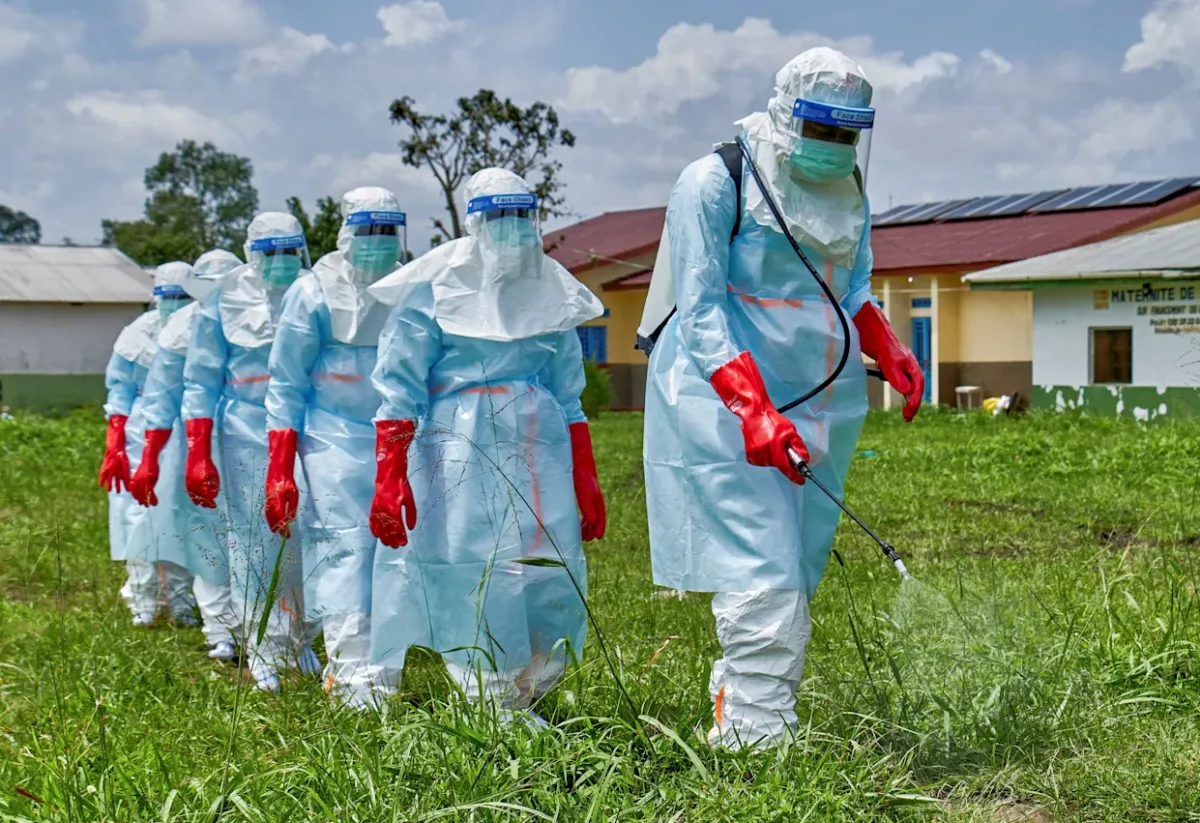
The Democratic Republic of Congo (DRC) is battling a new Ebola outbreak caused by the Bundibugyo virus, a rare strain responsible for only two prior outbreaks before this one. As of May 20, more than 500 suspected infections and over 130 deaths have been reported, though the virus likely circulated undetected for weeks before authorities confirmed the outbreak on May 15.
The World Health Organization (WHO) declared a public health emergency of international concern on May 19, signaling the need for a coordinated global response. However, experts emphasize that the risk of widespread transmission outside the DRC remains extremely low. Michele Barry, MD, director of the Stanford Center for Innovation in Global Health, notes that while Ebola is highly infectious, requiring only minimal exposure to trigger severe illness, its transmission differs fundamentally from airborne pathogens like COVID 19 or measles. The virus spreads primarily through direct contact with bodily fluids, such as blood, vomit, or feces, or via unprotected handling of contaminated corpses. Healthcare workers face heightened risks during aerosol generating procedures, though Barry underscores that pandemic level spread is unlikely given these transmission dynamics.
Despite the low global risk, the outbreak poses a critical threat to neighboring countries and the DRC itself. Barry warns that without a swift, evidence based response, including targeted quarantine measures and international cooperation, local health systems could be overwhelmed. She advocates for policies rooted in scientific consensus rather than reactive travel bans, stressing that viruses do not adhere to borders.
The Bundibugyo strain presents unique diagnostic and clinical challenges. Unlike the more common Zaire or Sudan viruses, Bundibugyo has evaded detection in many standard Ebola tests, contributing to delayed recognition of this outbreak. Clinically, it often begins with non bleeding symptoms, such as diarrhea and headache, in over 80% of cases, with hemorrhagic signs appearing in only about 25% of patients. These atypical presentations may have further complicated early containment efforts.
While vaccines and therapies exist for other Ebola strains, some demonstrating over 90% efficacy, none are currently approved for Bundibugyo. Barry highlights the urgent need for tailored medical countermeasures to address this specific outbreak, alongside robust public health infrastructure to trace contacts, isolate cases, and prevent nosocomial transmission. The DRC’s health system, already strained by decades of conflict and resource limitations, faces an unprecedented challenge in managing this high risk, low visibility pathogen.
The WHO’s emergency declaration underscores the necessity of international solidarity. Barry’s decades of experience responding to Ebola in Uganda and Liberia reinforces the importance of localized expertise paired with global support. For now, the focus remains on containing the outbreak within the DRC while monitoring for potential spillover into neighboring countries like Uganda and South Sudan. The stakes are high, but the path forward, if acted upon decisively, could mitigate the worst case scenarios.





DISCUSSION (0)