
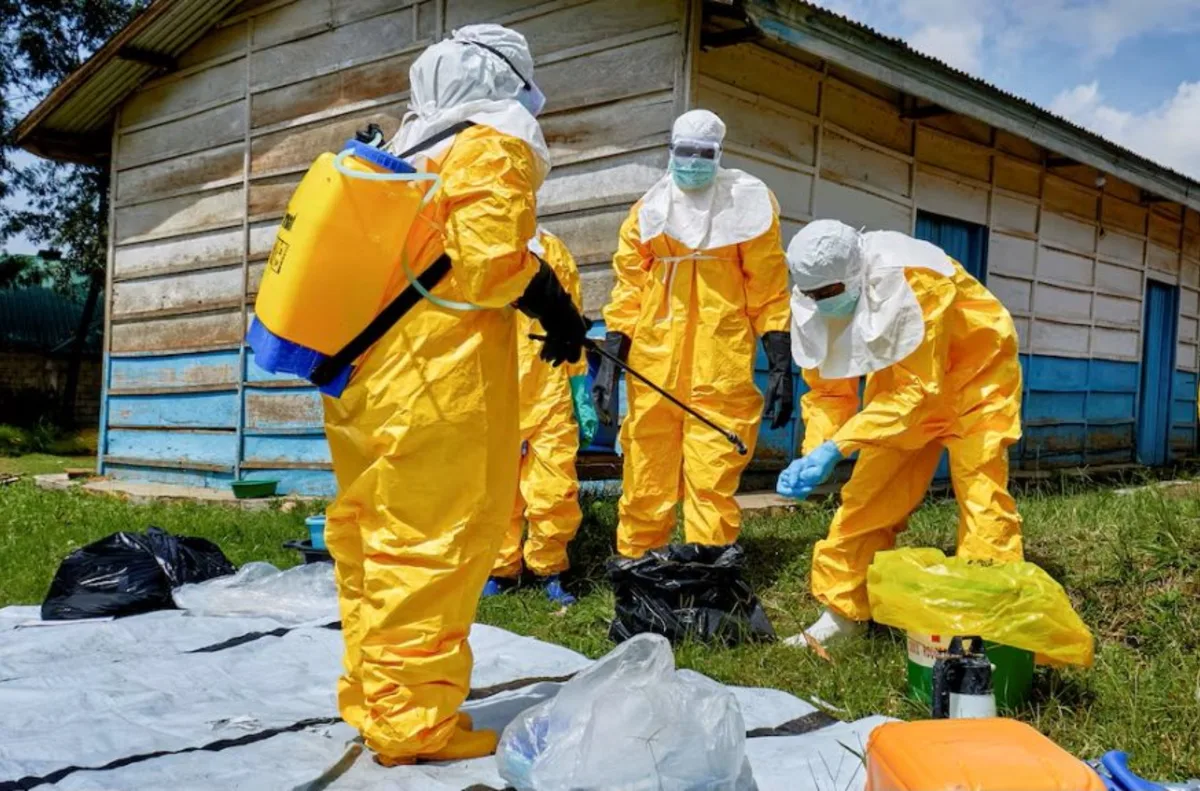
The Democratic Republic of the Congo (DRC) and the World Health Organization (WHO) have launched a high level, coordinated response to an Ebola outbreak caused by the rare Bundibugyo virus strain, which has emerged in Ituri Province and spread to neighboring North Kivu and South Kivu regions. The outbreak, confirmed by the DRC Ministry of Health, marks a critical moment for public health authorities as they work to contain transmission before it escalates.
The joint mission, led by DRC Minister of Health Dr. Samuel Roger Kamba and attended by WHO Director General Dr. Tedros Adhanom Ghebreyesus, underscores the urgency of the situation. Unlike the more common Sudan or Zaire strains, the Bundibugyo variant poses additional challenges due to the absence of a licensed vaccine or specific treatment. However, public health experts emphasize that proven measures, such as early detection, isolation, contact tracing, and safe burials, remain vital in curbing spread and improving survival rates.
Central to the response strategy is the engagement of local communities, whose trust and participation are deemed essential for success. National and provincial authorities, supported by WHO and humanitarian partners, are collaborating with community leaders, women’s groups, youth representatives, and religious figures to address concerns and co design culturally appropriate solutions. This inclusive approach aims to mitigate misinformation and foster collective action in affected areas.
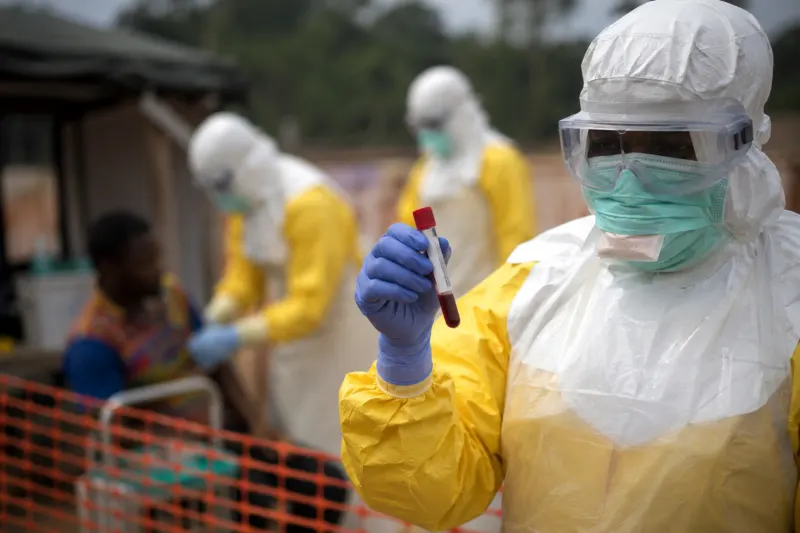
Despite the absence of targeted medical countermeasures, the DRC Ministry of Health and WHO are accelerating efforts to conduct randomized controlled trials for candidate vaccines and treatments. Meanwhile, frontline interventions focus on strengthening surveillance, laboratory testing, and infection prevention in health facilities. Early detection remains a priority, as delays in identifying cases can accelerate transmission in densely populated regions.
The DRC’s experience in managing previous Ebola outbreaks, including those in North Kivu and Equateur, provides a critical foundation for this response. Political leadership at the highest level, combined with renewed international solidarity, is expected to bolster efforts to contain the outbreak while safeguarding essential health services. Both parties stress that investments in health system resilience, such as laboratory capacity, trained health workers, and surveillance systems, will yield long term benefits beyond the current crisis.
Public health authorities urge communities to adopt protective behaviors, including regular hand hygiene, prompt care seeking for Ebola like symptoms, and sharing verified information to prevent panic. The DRC and WHO emphasize that maintaining primary healthcare services and essential services during the outbreak response is non negotiable, ensuring that vulnerable populations continue to receive critical care.
As the situation evolves, the coordinated efforts of the DRC government, WHO, and global partners will determine whether this outbreak can be swiftly controlled or if it risks becoming a prolonged public health emergency.




DISCUSSION (0)