
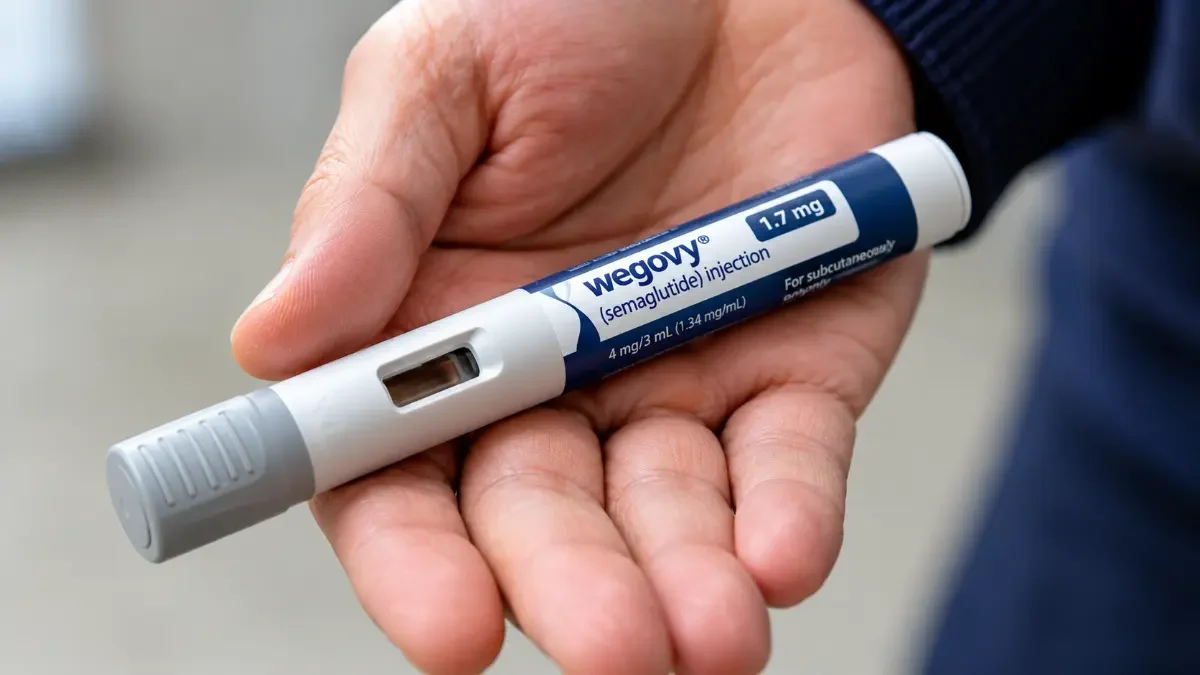
The use of GLP-1 medicines across Europe has changed considerably over the past decade, with obesity emerging as the most frequently recorded reason for starting treatment in several study populations from 2022, according to a new European real world evidence study.
Initially authorised mainly for type 2 diabetes, four GLP-1 medicines are now also authorised for weight management in people living with obesity or overweight accompanied by related health conditions. The investigation examined records from more than 1.6 million people who started treatment between 2015 and 2025, using information from 12 healthcare databases across ten European countries.
Researchers assessed prescribing patterns involving six active substances: dulaglutide, exenatide, lixisenatide, liraglutide, semaglutide and tirzepatide. Semaglutide containing medicines were the most widely prescribed among the treatments examined, although usage differed between countries and over time.
The median age of people starting treatment ranged from 52 to 63 years across the databases. Women accounted for more than half of new users in nine of the 12 data sources. Cardiovascular risk factors and high cholesterol were also frequently recorded, highlighting the range of health conditions among people receiving these medicines in routine clinical practice.
The growing use of GLP-1 medicines for obesity treatment was associated with the increased adoption and availability of newer treatments, particularly semaglutide and tirzepatide. Researchers also found differences in how patients used the medicines after starting therapy. Although treatment guidance generally recommends beginning at a low dose and increasing it gradually, patients' doses sometimes changed during follow up, while some switched between different active substances.
The study also examined concerns about people using GLP-1 medicines for weight management without a recorded medical indication. Across most databases, fewer than 14 per cent of new users had no recorded diagnosis of either type 2 diabetes or obesity. However, the absence of a recorded diagnosis does not necessarily establish that treatment was inappropriate.
Medicine shortages also appeared to coincide with fluctuations in prescribing volumes in some countries. Regulatory changes affected the treatments available during the study period, including the withdrawal of the EU marketing authorisation for lixisenatide containing Lyxumia on 18 December 2025, followed by exenatide products Byetta and Bydureon on 1 January 2026.
The European Medicines Agency said the findings contribute to a wider evidence base for understanding how GLP-1 medicines are used in everyday healthcare. The DARWIN EU study approach is also intended to support similar investigations by medicines regulators internationally. The researchers noted that the participating databases do not capture every healthcare setting, meaning the findings may not represent all prescribing activity across the countries studied.








DISCUSSION (0)