
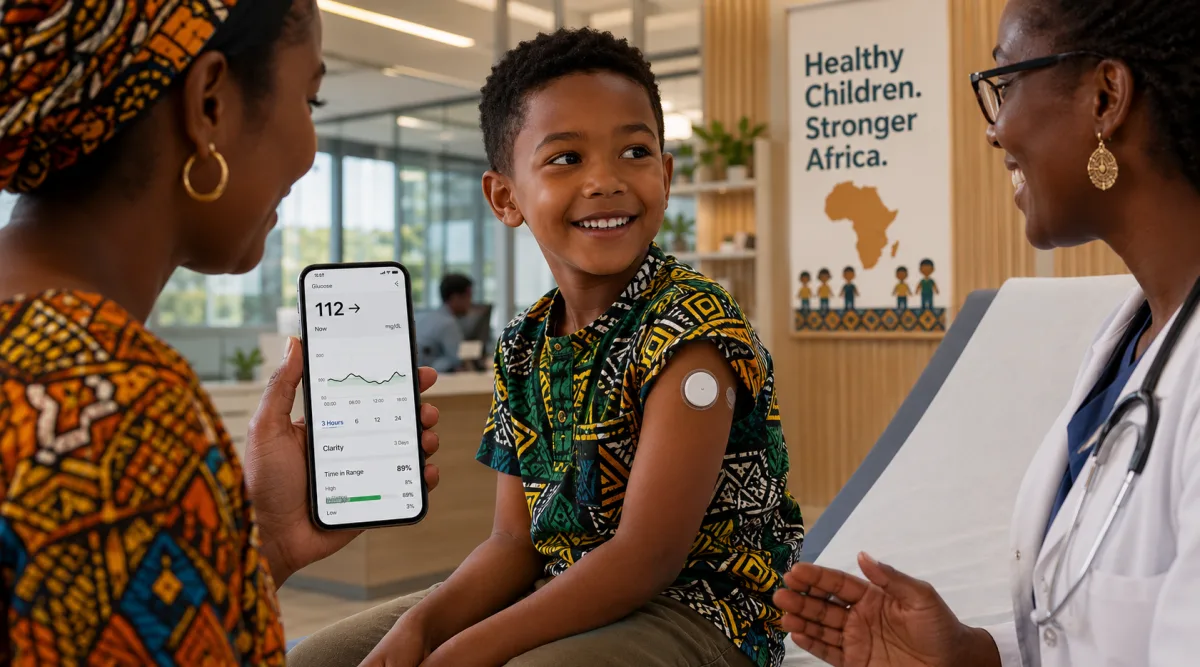
The U.S. Food and Drug Administration (FDA) has cleared the first over the counter continuous glucose monitor (CGM) designed specifically for children as young as two years old, marking a significant step forward in pediatric diabetes management and preventive health monitoring.
The Stelo Glucose Biosensor System, developed by FDA regulated manufacturer Dexcom Inc., is the first non prescription CGM approved for use in individuals under 18. While similar devices have been available for adults since March 2024, this expansion reflects growing concerns over rising rates of prediabetes and type 2 diabetes among American youth, according to the FDA.
The device, a small, skin adhesive biosensor paired with a smartphone app, continuously measures glucose levels every 15 minutes, providing real time insights into how diet, exercise, and lifestyle choices influence blood sugar. Parents or older children can track trends and patterns throughout the day, empowering caregivers to make informed decisions about their child’s health.
Each Stelo sensor lasts up to 15 days, though active children may require more frequent replacements due to wear and tear. The biosensor is waterproof and remains functional for up to 24 hours under eight feet of water, ensuring reliability during daily activities like swimming or bathing.
Dr. Michelle Tarver, director of the FDA’s Center for Devices and Radiological Health, emphasized the importance of this approval in a statement: “Children deserve access to the best tools available to manage their health. Today’s clearance reflects the FDA’s commitment to fostering innovation for pediatric patients and supporting the safe and effective use of medical devices where children live, learn, and play.”
The FDA notes that while Stelo is intended for children with diabetes who rely on oral medications and those without diabetes seeking lifestyle awareness, it is not designed for individuals who use insulin or experience severe hypoglycemia (dangerously low blood sugar), as the device lacks critical alerts for these conditions. It is also excluded for patients on dialysis or those with a history of eating disorders, who should consult a healthcare provider before use.
Clinical trials revealed some users experienced mild adverse events, including local infections, skin irritation, or discomfort. The FDA underscores that Stelo serves as a supplement to professional medical care, not a replacement, and advises families to consult healthcare providers before adjusting medication regimens based on the monitor’s data.
With rising youth diabetes rates, this approval could help caregivers and children better understand glucose trends, fostering earlier intervention and preventive care. For more on type 2 diabetes prevention in children, the Centers for Disease Control and Prevention (CDC) provides evidence based guidance.








DISCUSSION (0)