
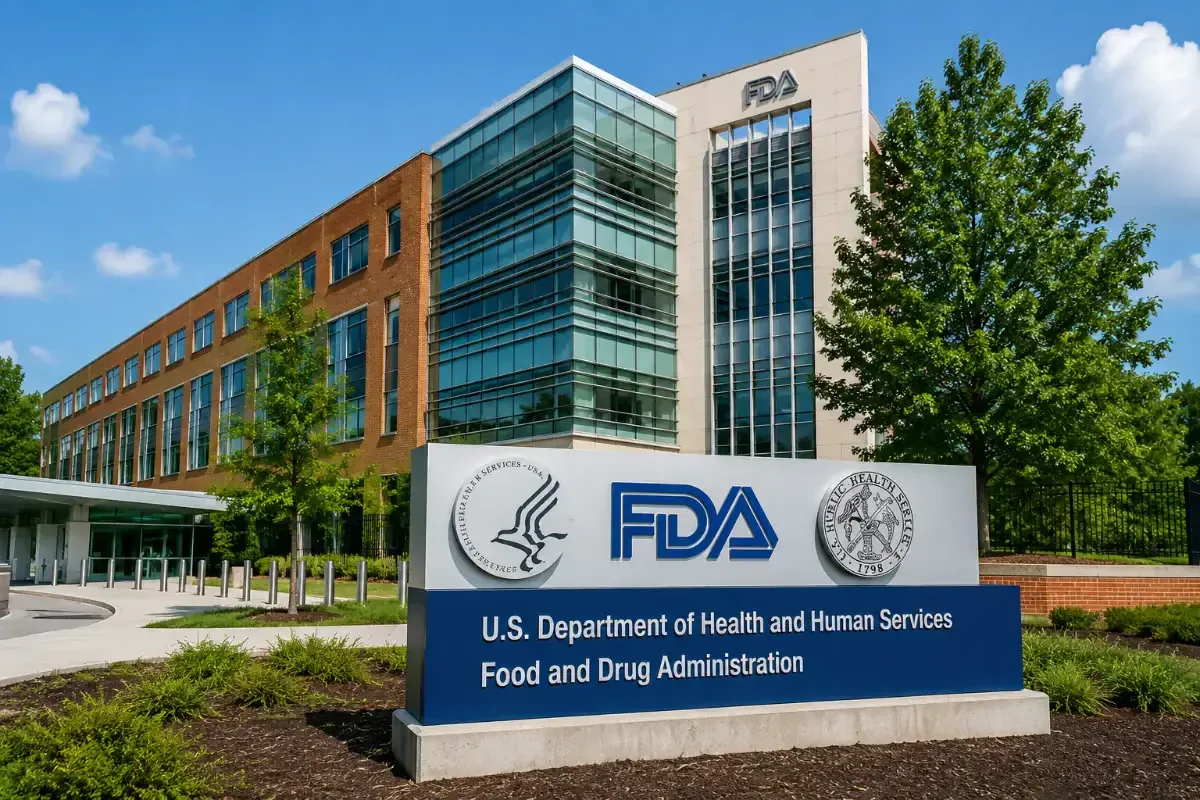
The U.S. Food and Drug Administration (FDA) is moving to expand a controversial regulatory loophole that could allow some of the world’s most toxic chemicals to be added directly to food without undergoing safety reviews. The proposed change to the “threshold of regulation” (TOR) exemption would permit dangerous compounds, such as hormone disruptors linked to brain damage and reproductive harm in children, to be used as ingredients in ultra processed foods, flavorings, preservatives, and processing aids, provided they are not classified as carcinogens and are present at levels below 0.5 parts per billion (ppb).
The loophole already exists for food contact materials like packaging and processing equipment, but the FDA’s new proposal would extend it to direct food additives. Critics warn that many toxic chemicals, including perchlorate, certain phthalates, bisphenols, PFAS “forever chemicals,” and flame retardants, can cause harm at doses far lower than the proposed threshold. These substances are not carcinogenic but may still disrupt the endocrine system, damage the brain, weaken the immune system, or harm gut microbiota.
“The FDA and industry have this position that if there’s only a little bit of something in the diet, then it’s not going to be problematic, but that isn’t supported by science of any kind,” said Maricel Maffini, an independent food consultant who has studied TOR issues. “There are many ingredients that at very low levels also cause serious issues in the body.”
The proposal follows a 2024 claim by Health Secretary Robert F. Kennedy Jr. and the FDA that they had “closed” another controversial loophole, the “generally regarded as safe” (GRAS) standard, which had long allowed food companies to self certify ingredients as safe without FDA oversight. However, the newly submitted GRAS rule quietly included the TOR expansion, which public health advocates say undermines any progress made. Kennedy’s Make America Healthy Again (MAHA) movement had previously framed the GRAS overhaul as a victory in its push to eliminate toxic chemicals from food, but critics accuse him of deception, arguing the TOR expansion benefits big food at the expense of public health.
The FDA’s current TOR exemption already raised alarms when it allowed perchlorate, a chemical used in rocket fuel, to be added to grain storage bags without review. After the 2005 exemption, levels of perchlorate in children’s cereal surged, according to FDA data published in 2017. Perchlorate interferes with thyroid function, reducing the production of T4, a hormone critical for brain development. Even low exposures have been linked to lower IQ scores in children. Despite this evidence, the FDA reapproved perchlorate for use in grain bags six months after releasing the data, dismissing concerns about endocrine disrupting chemicals.
“They put their blinders on and approved the exemption based on data that never considered the harms posed by endocrine disruptors,” said Tom Neltner, a former scientist with the Environmental Defense Fund (EDF) who now directs the nonprofit Unleaded Kids. The FDA’s approach, he added, ignores cumulative exposure to multiple toxic chemicals, which could compound health risks over time.
Advocates also highlight the lack of transparency in the TOR expansion. Consumers have no way of knowing if their food contains exempted chemicals, and the rule creates a secondary loophole by allowing carcinogens if they are unintended byproducts of a process. The FDA did not respond to requests for comment.
“They’re widening another loophole, but trying to say they made our food safer,” said Maria Doa, a scientist with the Environmental Defense Fund. “They did not make our food safer.” The proposal reflects a broader trend under the current administration, Maffini noted, where regulatory oversight is increasingly limited. “This administration is not keen on regulating anything,” she said.








DISCUSSION (0)