
The widely promoted ‘five a-day’ fruit and vegetable guideline may not be sufficient to ensure adequate intake of heart protective flavanols, according to a new study published in Food and Function. Researchers found that even among individuals who met the five a-day recommendation, most still consumed less than the optimal 500 milligrams of these antioxidants daily, compounds linked to improved circulation, reduced inflammation, and enhanced blood vessel elasticity.
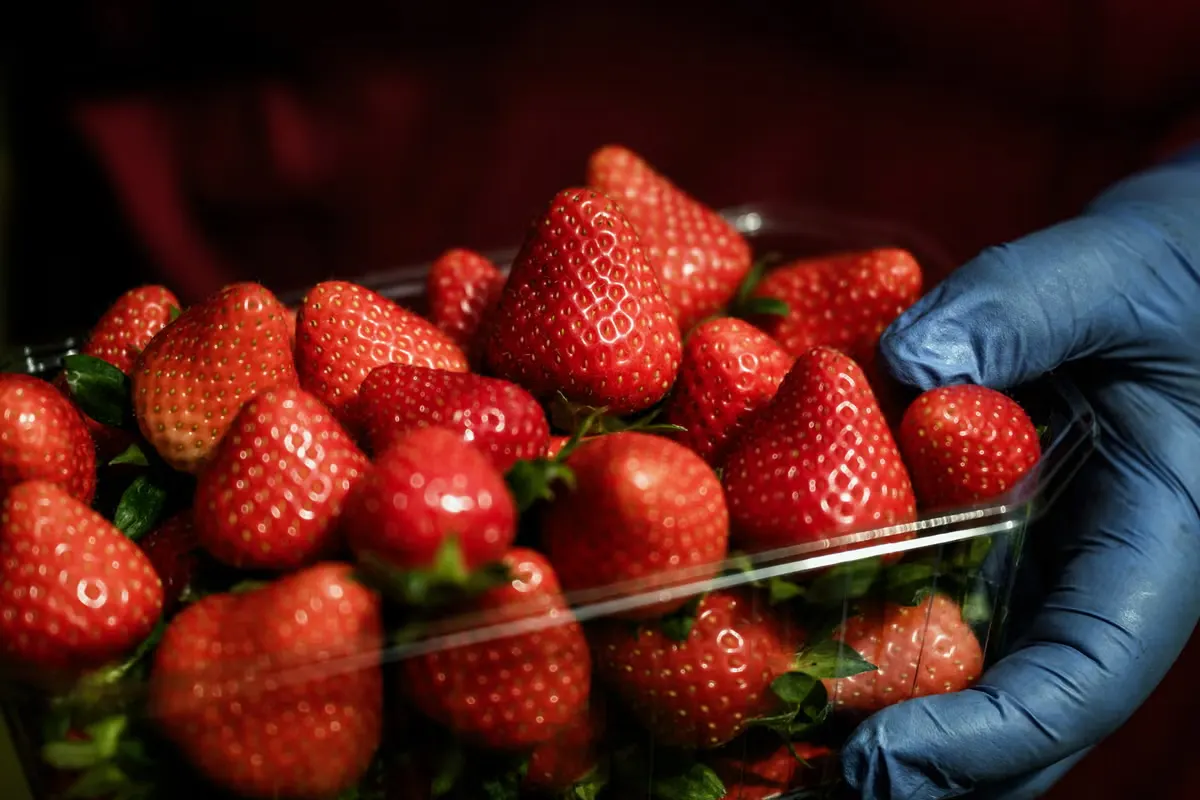
The study, which analyzed data from 30,000 participants in the US and UK, tracked dietary intake alongside urinary biomarkers to measure actual flavanol absorption. Lead investigator Dr. Javier Ottaviani emphasized that not all fruits and vegetables contribute equally to flavanol intake. While the five a-day guideline remains a sound foundation, the specific choices matter significantly. For example, blueberries, plums, blackberries, broad beans, and cherries, paired with green tea, were identified as particularly rich sources. A single 500 gram punnet of plums delivers nearly 450 milligrams of flavanols, while a 200 milliliter cup of green tea provides 200 milligrams. In contrast, apples and strawberries yield far less, at 110 and 90 milligrams respectively.
Prof. Gunter Kuhnle of the University of Reading noted that while the five a-day message remains valid, dietary guidance could benefit from greater specificity. ‘Different fruits and vegetables offer distinct nutritional profiles beyond vitamins and minerals,’ he explained. ‘As our understanding of these compounds evolves, we have an opportunity to refine recommendations for better cardiovascular outcomes.’
However, experts remain cautious about overstating the benefits. Prof. Naveed Sattar of the University of Glasgow highlighted that while small trials have shown potential improvements in blood pressure, there is currently no robust evidence linking higher flavanol intake to reduced heart disease risk or fewer cardiovascular events like heart attacks or strokes. ‘More large scale trials are needed before we can confidently recommend flavanols as a preventive strategy,’ he stated.
The variability in flavanol content, affected by factors like growing conditions, ripeness, storage, and even individual gut microbiomes, adds complexity. The British Heart Foundation (BHF) underscored that absorption rates differ widely, as gut bacteria play a crucial role in metabolizing these compounds. ‘Small amounts are absorbed directly, but everyone’s gut bacteria break them down differently,’ explained Dell Stanford of the BHF. ‘This means the benefits may not be uniform across populations.’
While the research aligns with broader calls for more tailored dietary advice, public health organizations like the NHS continue to emphasize balanced, varied diets over targeted nutrient focused recommendations. For now, the study serves as a reminder that even within the familiar framework of five a-day, some choices may offer more heart protective advantages than others.








DISCUSSION (0)