
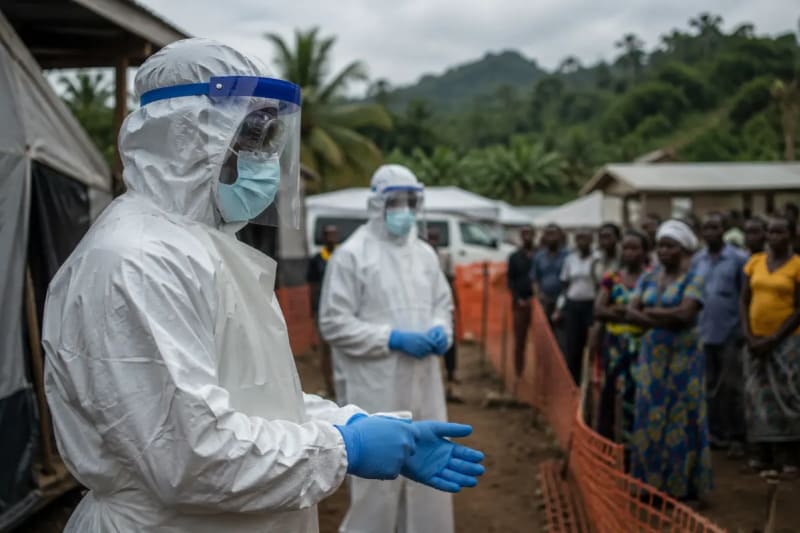
The World Health Organization faces unprecedented challenges as global health threats multiply. Climate change, antimicrobial resistance, emerging infectious diseases, and health inequities demand coordinated international action. With its unique mandate to direct and coordinate global health efforts, the WHO remains the only entity capable of mobilizing resources, setting standards, and ensuring equitable access to healthcare. Recent crises, including the COVID 19 pandemic and mpox outbreaks, have highlighted both the organization's critical role and the need for sustained support to address evolving threats effectively.
The World Health Organization was established in 1948 as the United Nations' specialized agency for international public health. Its core functions include shaping the global health research agenda, setting norms and standards, articulating evidence based policy options, providing technical support to countries, and monitoring health trends. Unlike other international bodies, the WHO holds a constitutional mandate to act as the directing and coordinating authority on international health work.
Recent years have tested this mandate like never before. The COVID 19 pandemic exposed vulnerabilities in global health systems while demonstrating the WHO's unique capacity to convene experts, disseminate guidance, and accelerate research. The organization's role in coordinating vaccine development, declaring public health emergencies, and providing real time data became indispensable during the crisis. Yet the pandemic also revealed gaps in funding, authority, and preparedness that continue to challenge its effectiveness.





DISCUSSION (0)