
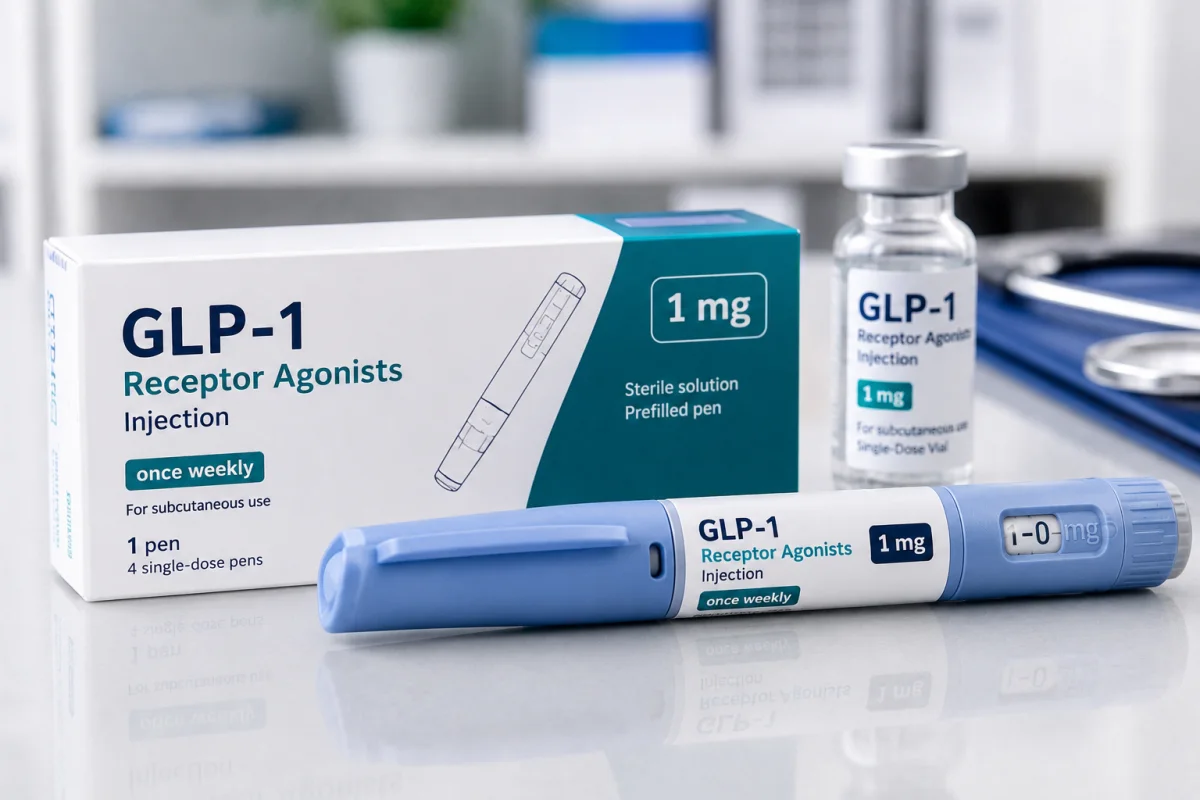
The first major clinical trial to demonstrate potential benefits of a GLP 1 medication in advanced fatty liver disease has revealed that semaglutide may significantly slow liver scarring in patients with metabolic dysfunction, associated steatohepatitis (MASH), including those with early stage cirrhosis.
Published in The Lancet Gastroenterology & Hepatology on July 15, 2026, the study, led by researchers at the University of California San Diego School of Medicine, examined nearly 700 adults with biopsy confirmed MASH and moderate to severe liver fibrosis. While the combination of semaglutide and zalfermin (an experimental metabolic therapy) did not outperform placebo, semaglutide alone showed a statistically significant reduction in liver scarring without worsening inflammation, even in patients with the most advanced disease.
MASH, a severe form of fatty liver disease, is one of the fastest growing causes of liver failure and transplantation worldwide. As scar tissue accumulates, the liver’s function deteriorates, often leaving patients with few treatment options. Until now, those with cirrhosis due to MASH were frequently excluded from clinical trials, making this study’s findings particularly significant.
‘This is the first clinical trial to show that semaglutide may improve liver fibrosis in patients with advanced MASH, including those with compensated cirrhosis,’ said Rohit Loomba, the study’s senior author and a hepatologist at UC San Diego Health. ‘The results suggest a potential new treatment pathway for a population that has historically had limited options.’
The trial also highlighted a promising shift away from invasive liver biopsies. Noninvasive blood tests and imaging measures more accurately reflected treatment related improvements, offering a less burdensome way to monitor disease progression over time.
While the findings are encouraging, researchers emphasize that larger trials, particularly those focused on patients with cirrhosis, are needed to confirm these results. They also note that other metabolic therapies in development may still hold promise.
‘Our goal is to advance effective, accessible treatments that can halt or even reverse liver damage before patients reach end stage disease,’ Loomba said. ‘This work brings us closer to that vision.’








DISCUSSION (0)