
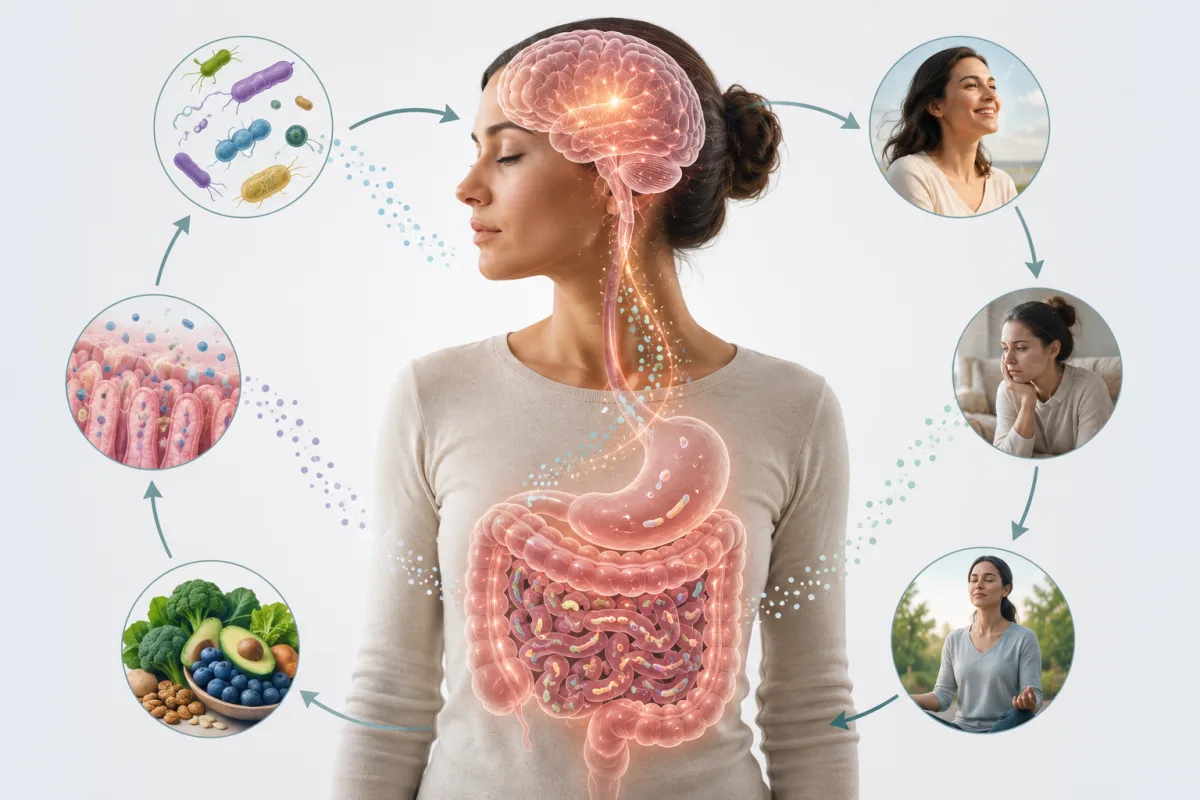
A growing body of scientific inquiry suggests that common gut parasites may subtly influence human behavior, cognition, and emotional regulation, challenging long held assumptions about the boundaries between the gut and the brain.
The emerging field of parasitopsychology examines how intestinal parasites, such as Toxoplasma gondii and Trichuris trichiura, might manipulate host physiology to favor their survival. While these parasites are typically associated with gastrointestinal discomfort or immune responses, recent studies indicate they could also alter neurotransmitter production, inflammation pathways, and even neural signaling in ways that affect mood, decision making, and social behavior.
Researchers at the University of Oxford, cited in a WHO review of neuroparasitology, have observed correlations between Toxoplasma gondii infection and increased risk taking behaviors. The parasite, which infects roughly one third of the global population, has been linked to heightened aggression in animal models and, in humans, to subtle shifts in personality traits such as reduced conscientiousness and increased impulsivity. While causation remains debated, the findings raise questions about whether parasitic infections could contribute to behavioral variations in populations with high prevalence rates.
Another study, published in The Lancet Microbe, explored the role of Trichuris trichiura, a whipworm that infects over 400 million people worldwide, primarily in low resource settings. Researchers found that chronic infection was associated with elevated levels of systemic inflammation, which in turn correlated with cognitive impairments, particularly in working memory and attention, among school aged children. The effects were reversible upon deworming, suggesting a direct physiological link between parasitic burden and neural function.
The implications for public health are profound, particularly in regions where parasitic infections are endemic. If confirmed, these findings could reshape approaches to mental health interventions, cognitive development programs, and even behavioral economics strategies. For instance, deworming campaigns, already a cornerstone of global health initiatives, might need to consider broader neuropsychiatric outcomes alongside traditional gastrointestinal benefits.
However, experts caution against overinterpreting the data. Parasitic infections are just one of many factors influencing behavior, and environmental, genetic, and socioeconomic variables play equally critical roles. The CDC emphasizes that more longitudinal studies are needed to establish causality and understand the mechanisms by which gut parasites might interface with the brain.
For now, the science remains speculative but compelling. As researchers dig deeper into the brain belly connection, one thing is clear: the gut may hold far more influence over human behavior than previously imagined.








DISCUSSION (0)