
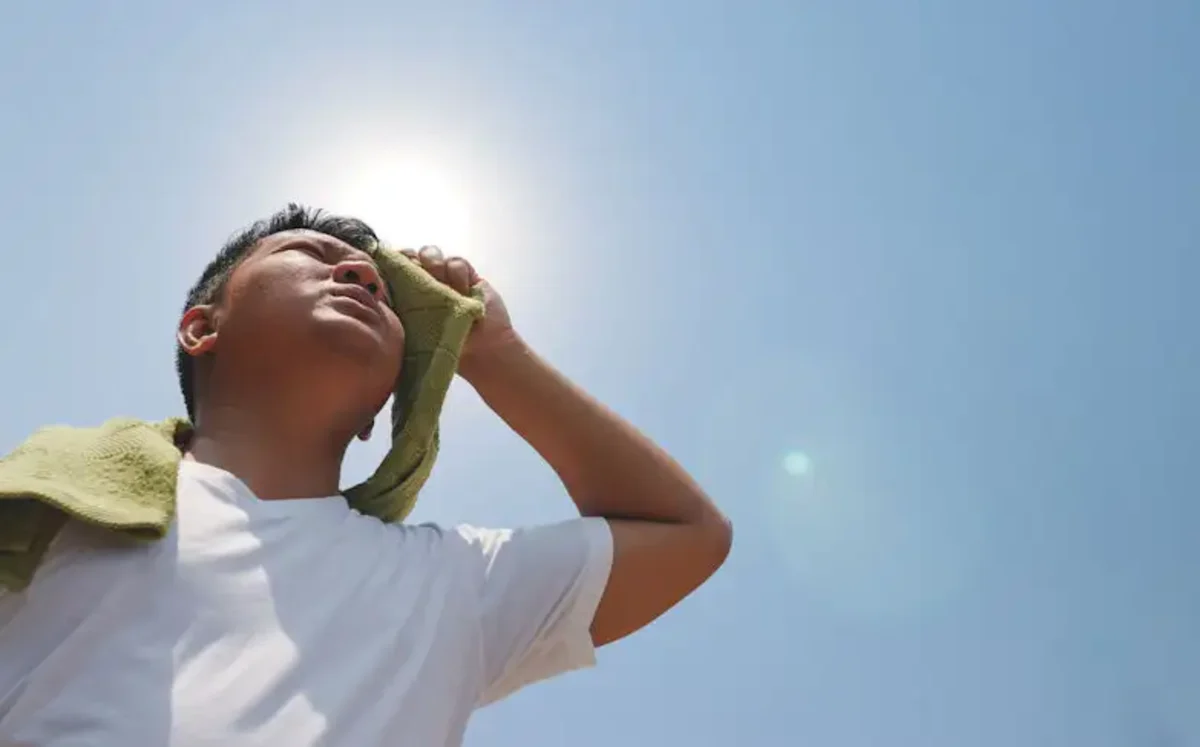
The rising temperatures during extreme heat waves pose a serious risk of heat related illnesses, with heat exhaustion and heatstroke representing two distinct but critical conditions that require immediate attention. While heat exhaustion is often manageable with proper cooling and hydration, heatstroke is a life threatening emergency that demands urgent medical intervention.
Heat exhaustion occurs when the body overheats and struggles to regulate its temperature effectively. Common warning signs include excessive sweating, a high body temperature (38°C or higher), headache, dizziness, confusion, nausea, muscle cramps, rapid breathing, and extreme thirst. In young children, symptoms may manifest as lethargy or unusual sleepiness, as they may not be able to communicate their discomfort clearly.
Heat exhaustion can affect anyone, even those who are otherwise healthy, particularly if they engage in strenuous physical activity in high temperatures or consume alcohol while exposed to the sun. Certain medications can also increase susceptibility by impairing the body’s ability to regulate temperature or by causing dehydration. Symptoms may develop rapidly, within minutes, or more gradually over several hours.
If left untreated, heat exhaustion can escalate into heatstroke, a far more dangerous condition where the body can no longer cool itself down. Heatstroke is characterized by a core body temperature exceeding 40°C, an absence of sweating despite feeling extremely hot, rapid breathing or shortness of breath, confusion, seizures, loss of consciousness, or an unresponsive state. Unlike heat exhaustion, heatstroke requires immediate medical attention, as it can lead to organ damage or even death if not treated promptly.
High risk groups, including older adults, young children, and individuals with pre existing health conditions, are particularly vulnerable to these heat related illnesses. During extreme heat, it is essential to monitor vulnerable individuals closely and take proactive measures to prevent overheating.
If someone exhibits signs of heat exhaustion, the first step is to move them to a cool, shaded, or air conditioned environment. Remove any unnecessary clothing to expose as much skin as possible and apply cooling techniques such as damp cloths, cold packs around the neck and armpits, or a cool, wet sheet. Encourage them to drink water or rehydration solutions while fanning their skin to aid evaporation and further cooling. Symptoms of heat exhaustion typically improve within 30 minutes of these interventions.
However, if the individual does not show signs of improvement after 30 minutes of rest and cooling, or if they exhibit symptoms of heatstroke, such as a dangerously high body temperature, confusion, or loss of consciousness, immediate medical help should be sought. In the UK, dialing 999 for emergency services is critical to prevent severe complications.
As temperatures continue to rise globally, understanding the difference between heat exhaustion and heatstroke, and knowing how to respond, could be the difference between a minor setback and a life threatening emergency. Public health authorities, including the World Health Organization, emphasize the importance of hydration, shade, and vigilance during extreme heat to protect vulnerable populations.



DISCUSSION (0)