
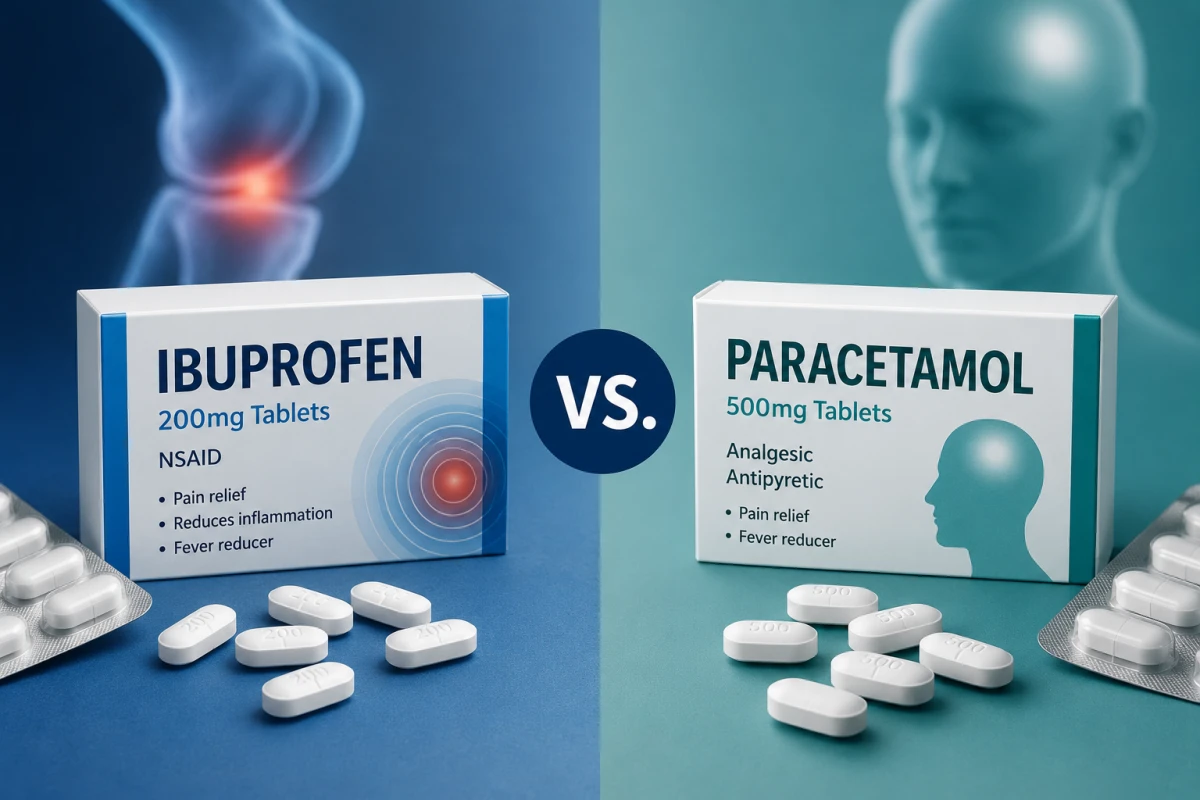
The persistent gap between what works and what people choose for menstrual pain has been laid bare by new research, revealing why ibuprofen remains the superior option over paracetamol despite its lesser popularity.
Menstrual cramps, or dysmenorrhea, affect millions globally each month, yet treatment options remain understudied. A recent analysis of transaction data from over three million shoppers found that paracetamol is the most commonly purchased pain reliever for period pain, despite clinical evidence showing it is significantly less effective than ibuprofen.
The root cause of menstrual cramps lies in prostaglandins, hormone like compounds released by the uterus during menstruation. These chemicals trigger intense uterine contractions to shed the uterine lining, but high levels intensify pain and reduce blood flow, creating the characteristic cramping sensation. Prostaglandins are also linked to inflammation, which can contribute to nausea and other period related discomforts.
Ibuprofen’s superiority stems from its classification as a nonsteroidal anti inflammatory drug (NSAID). Unlike paracetamol, ibuprofen directly inhibits cyclooxygenase (COX) enzymes, which are critical for prostaglandin production. By reducing these compounds, ibuprofen addresses the underlying cause of menstrual pain rather than merely masking symptoms. Paracetamol, by contrast, primarily affects pain perception in the brain and spinal cord, offering limited relief for inflammation driven conditions like dysmenorrhea.
Clinical trials reinforce this distinction. A comprehensive review of 80 studies involving over 5,800 women confirmed that NSAIDs, including ibuprofen, are substantially more effective than paracetamol for menstrual pain. The discrepancy between usage and efficacy may stem from familiarity, marketing, and the perception of paracetamol as a gentler option.
Beyond ibuprofen, other NSAIDs such as naproxen and mefenamic acid are also viable alternatives. Aspirin, while effective, is less commonly recommended due to its potential to increase menstrual bleeding and its association with Reye’s syndrome in individuals under 16. However, no single NSAID has been proven more effective than another for period pain relief, though mefenamic acid may also help reduce heavy bleeding.
Timing plays a crucial role in NSAID effectiveness. For optimal relief, these medications should be taken one to two days before bleeding begins and continued through the first few days of menstruation. This proactive approach helps suppress prostaglandin production before the cascade of contractions and pain begins.
While NSAIDs are generally safe for short term use, they carry risks for some individuals. Potential side effects include stomach irritation, ulcers, gastrointestinal bleeding, kidney strain, and, with prolonged use, cardiovascular concerns. Those with asthma, kidney disease, heart conditions, or a history of stomach ulcers should consult a healthcare provider before use. NSAIDs can also interact with blood thinners, certain antidepressants, blood pressure medications, and steroids.
For those who cannot tolerate NSAIDs, alternatives like mefenamic acid, available by prescription, may offer additional benefits, particularly for heavy bleeding. Ultimately, the evidence is clear: when it comes to menstrual pain, ibuprofen remains the most effective choice, backed by both clinical data and biological mechanism.








DISCUSSION (0)