
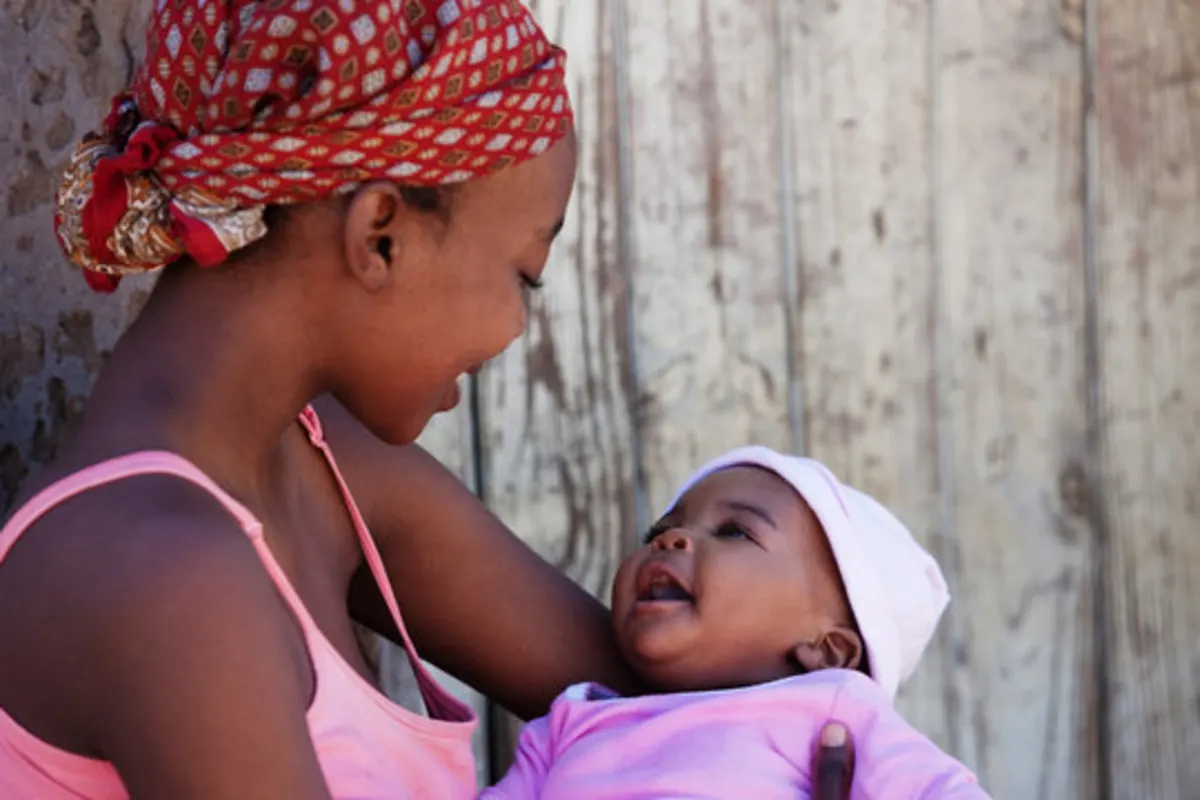
The act of laughter may be more than just a fleeting moment of joy, it could be a powerful tool for building resilient young minds, according to new insights from child development research.
Dr. Jacqueline Harding, director of Tomorrow’s Child and an early childhood expert at Middlesex University, has spent years studying how laughter and play shape brain development, emotional well being, and social bonds in children. In her book The Brain That Loves to Laugh, she argues that humor is not merely frivolous but a fundamental component of healthy cognitive and emotional growth.
Laughter engages a complex network of brain regions, influencing heart rate, respiration, and even immune function. Studies show it reduces stress hormones like cortisol and epinephrine while increasing dopamine, serotonin, and endorphins, chemicals linked to happiness and well being. Beyond mood enhancement, laughter stimulates neuroplasticity, the brain’s ability to reorganize itself by forming new neural connections. This mental workout sharpens memory, creativity, and problem solving skills, making children more adaptable to challenges.
Yet prolonged stress has the opposite effect. Chronic tension can impair learning, weaken immune function, and increase the risk of long term mental health struggles. Harding emphasizes that laughter acts as an antidote, fostering resilience by strengthening emotional bonds between children and caregivers. When parents engage in playful, joyful interactions, whether through shared smiles, eye contact, or simple games, they release oxytocin, a hormone that deepens trust and connection.
This emotional bonding is critical for a child’s development. Research shows that early co regulation, where caregivers guide a child’s emotional responses, helps them later develop self regulation, the ability to manage emotions independently. A child’s limbic system, which governs emotion and behavior, thrives on positive experiences, including laughter, which helps build a foundation for emotional resilience.
Harding’s work suggests that parents don’t need elaborate humor to benefit their children. Even spontaneous joy, whether through play, shared laughter, or simple moments of connection, can have profound effects. “Creative, happy play does its most brilliant work at a molecular level,” she notes, “especially when the brain is most receptive.” By embracing laughter as a natural part of childhood, caregivers may help their children navigate stress with greater confidence and adaptability.
The findings underscore a simple yet powerful message: joy is not just a byproduct of a child’s development, it is an essential ingredient in shaping a resilient, emotionally secure mind.








DISCUSSION (0)