
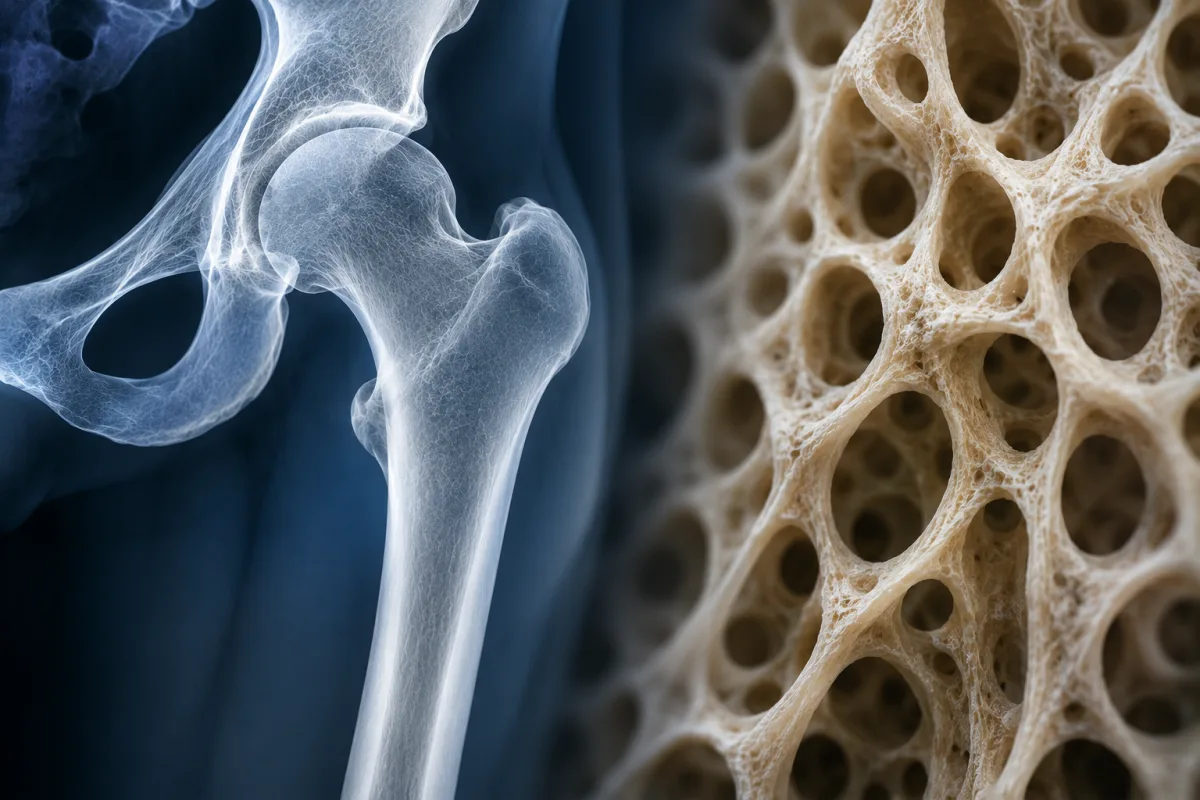
The bones of millions of adults worldwide are silently weakening without warning, a condition known as osteopenia that often goes undetected until fractures occur. Affecting roughly 40% of adults globally, osteopenia is characterized by a gradual decline in bone mineral density, leaving individuals more vulnerable to breaks and long term skeletal fragility.
The condition is particularly prevalent among postmenopausal women and older adults, with research indicating that more than 500,000 fractures annually in the UK alone are linked to low bone density. Unlike osteoporosis, which is more severe, osteopenia develops without noticeable symptoms, making early detection challenging. Many people only learn they have the condition after experiencing a fracture or undergoing a bone density test, often recommended due to risk factors like age, hormonal changes, or a history of bone related issues.
Bone health is a dynamic process governed by a continuous cycle called bone remodeling, where old bone is broken down and new bone is formed. Peak bone mass typically occurs in the mid 20s to early 30s, after which bone loss gradually exceeds formation. Aging is the primary driver of this decline, but hormonal shifts, particularly the drop in estrogen after menopause, accelerate bone breakdown. Without estrogen’s protective effects, bones weaken more rapidly, increasing the risk of fragility fractures, with nearly half of women over 50 experiencing at least one such break.
Lifestyle factors further compound the risk. Smoking, excessive alcohol consumption, and prolonged physical inactivity weaken bones by disrupting the remodeling process. Nutrition also plays a critical role: inadequate calcium and vitamin D intake hampers the body’s ability to maintain strong bones. Certain medications, such as long term steroids, and chronic conditions like Crohn’s disease or celiac disease, both of which impair nutrient absorption, can also contribute to accelerated bone loss.
Early detection is key to preventing osteopenia from progressing to osteoporosis, a more advanced and high risk form of bone disease. The standard diagnostic tool is a dual energy X ray absorptiometry (DXA) scan, which measures bone density using a T score. A T score between -1.0 and -2.5 indicates osteopenia, while scores below -2.5 signal osteoporosis. Management focuses on halting further bone loss and reducing fracture risk through lifestyle adjustments, nutritional support, and, in some cases, medical intervention.
Weight bearing exercises, such as walking, jogging, or resistance training, stimulate bone formation by placing stress on the skeleton, while activities like Tai Chi improve balance and muscle strength, lowering fall related injury risks. Adequate calcium and vitamin D intake, along with avoiding smoking and limiting alcohol, are foundational to bone health. For those at higher risk, prescription treatments may be recommended to slow bone loss and strengthen skeletal integrity.
With osteopenia affecting millions silently, awareness and proactive measures could significantly reduce the global burden of bone fractures and related disabilities. Early intervention, through lifestyle changes, regular bone density screenings, and evidence based treatments, remains the most effective strategy to preserve bone strength and prevent severe outcomes.








DISCUSSION (0)