
Nigeria’s Oyo State is taking a decisive step toward climate resilience with the upcoming inauguration of its first dedicated Climate Council. Governor Seyi Makinde will formally launch the body next week, marking a critical milestone in the state’s efforts to address environmental degradation, extreme weather patterns, and the growing public health threats linked to climate change. The move aligns with broader national and global strategies to mitigate climate risks while safeguarding vulnerable communities from heat stress, air pollution, and waterborne diseases exacerbated by shifting weather conditions. The new council will oversee the implementation and periodic review of Oyo State’s Climate Action Plan, a framework designed to integrate sustainability into urban planning, agriculture, and public health policies. With Nigeria ranking among the countries most affected by climate change, local initiatives like this could serve as a model for subnational climate governance in West Africa. Public health experts warn that without proactive measures, rising temperatures and erratic rainfall could worsen malnutrition, respiratory illnesses, and vector borne diseases in the region.
Oyo State Governor Seyi Makinde will inaugurate the Oyo State Climate Council next week, a specialized body tasked with advancing the state’s environmental sustainability goals. The council’s formation follows the development of Oyo’s Climate Action Plan, a strategic document aimed at reducing carbon emissions, enhancing green infrastructure, and preparing communities for climate related disasters. Officials say the council will play a central role in monitoring progress, allocating resources, and engaging stakeholders across sectors.
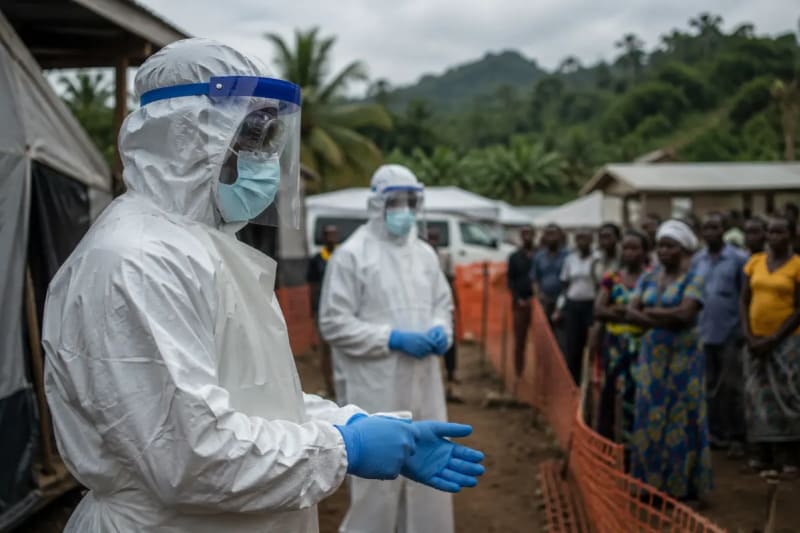
Climate change is no longer a distant threat for Nigeria but a present day crisis with direct consequences for public health. The World Health Organization estimates that between 2030 and 2050, climate change will cause approximately 250,000 additional deaths annually from malnutrition, malaria, diarrhea, and heat stress alone. In Oyo State, rising temperatures and unpredictable rainfall patterns are already disrupting food security, increasing the risk of water contamination, and expanding the habitats of disease carrying mosquitoes. Urban areas face additional challenges, including heat islands and air pollution from unregulated industrial activity and vehicle emissions.





DISCUSSION (0)