
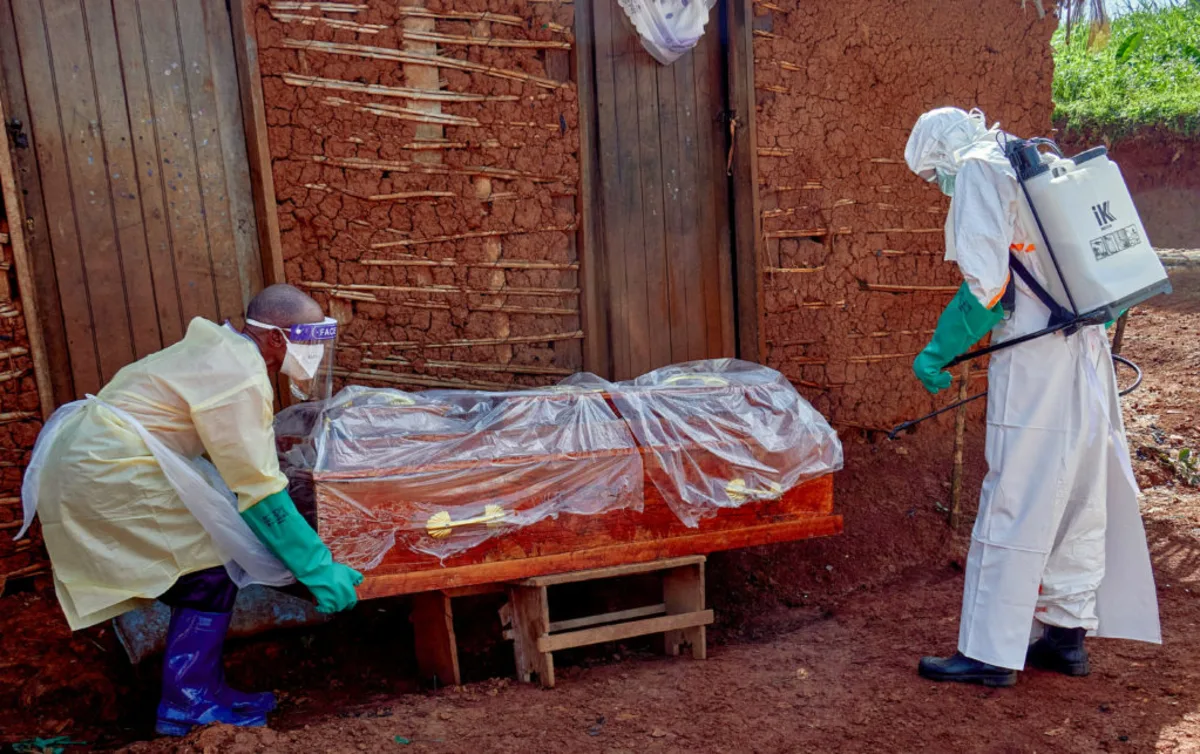
A deadly outbreak of the rare Bundibugyo strain of Ebola is intensifying across the Democratic Republic of Congo and Uganda, prompting three independent research teams to accelerate vaccine development in a race against time. With over 1,000 suspected cases reported in DR Congo, including nine confirmed cases in neighboring Uganda, the World Health Organization has warned of a potential crisis that could rival the devastating West African outbreak of 2014, 2016, which killed more than 11,000 people.
The Bundibugyo strain, which has only caused two documented outbreaks before, poses a unique challenge because no approved vaccine exists for this species. While a vaccine for the more common Zaire strain of Ebola is available, the current outbreak demands urgent innovation. The International AIDS Vaccine Initiative (IAVI), Moderna, and the University of Oxford are each developing experimental vaccines using distinct scientific approaches, live attenuated viruses, mRNA technology, and genetic code delivery, to train the immune system to recognize and combat the Bundibugyo glycoprotein, the virus’s surface marker.
Dr. Mark Feinberg, head of IAVI, emphasized the severity of the situation, stating that the outbreak could become ‘as severe as, or even worse than, the 2014, 16 epidemic.’ His team is adapting the Zaire Ebola vaccine, which has shown near 100% protection in monkey trials, though clinical testing in humans remains months away. Meanwhile, Moderna, leveraging its mRNA platform used during the COVID 19 pandemic, and Oxford, utilizing its viral vector technology, aim to fast track their candidates into trials within two to three months. The Coalition for Epidemic Preparedness Innovations (CEPI), which is funding the research, has underscored the urgency, declaring that ‘every day counts’ in containing the spread.
Médecins Sans Frontières (MSF) has described the outbreak as ‘deeply alarming,’ citing the rapid accumulation of cases in a conflict zone with limited healthcare infrastructure. The Bundibugyo virus’s ability to cross borders and its high fatality rate, historically around 25%, further heightens concerns. Public health experts warn that without swift intervention, the outbreak could escalate into a regional emergency, overwhelming already strained medical systems.
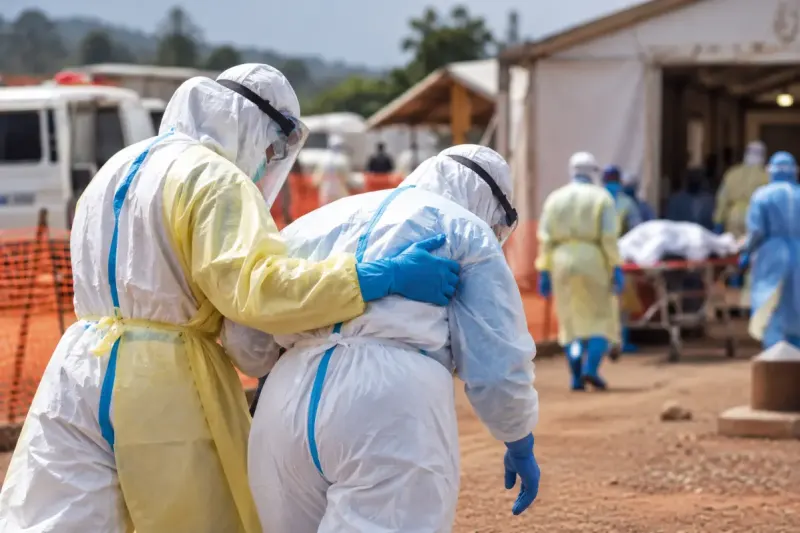
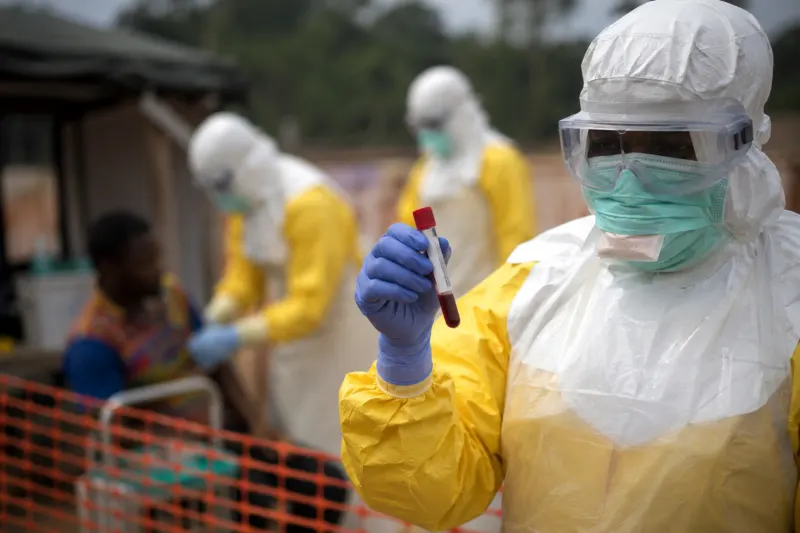
The race to develop a Bundibugyo specific vaccine is critical, as each Ebola species requires distinct immunological responses. While the experimental vaccines show promise in preclinical testing, their efficacy, durability, and safety must be rigorously evaluated in clinical trials before deployment. For now, containment efforts rely on contact tracing, isolation, and the use of existing Ebola treatments, but the lack of a targeted vaccine leaves communities vulnerable.
The stakes could not be higher. If the outbreak grows unchecked, it may surpass the 29,000 infections recorded during the West African epidemic, threatening stability in eastern Africa and beyond. With funding and scientific collaboration accelerating, the hope is that one, or more, of these vaccines will emerge as a lifeline before the next wave of infections strikes.





DISCUSSION (0)