

A new study published in Cell Reports has identified distinct patterns of DNA methylation across several brain regions in people with post traumatic stress disorder (PTSD). The findings offer further insight into the biological differences associated with PTSD and how they compare with those seen in major depressive disorder.
Researchers examined postmortem brain tissue from 302 individuals, including 101 people with PTSD, 100 without diagnosed psychiatric disorders and 101 with major depressive disorder. The study was conducted by an international research team, with Frances Champagne of the University of Texas at Austin serving as the corresponding author.
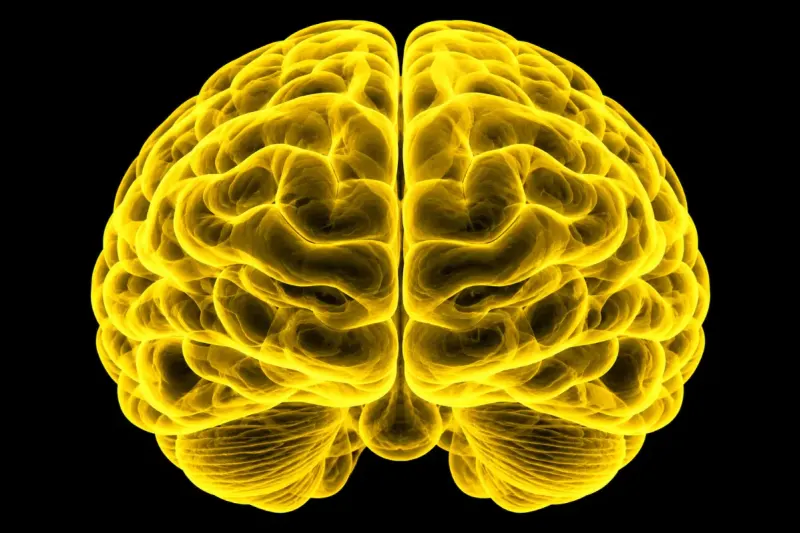
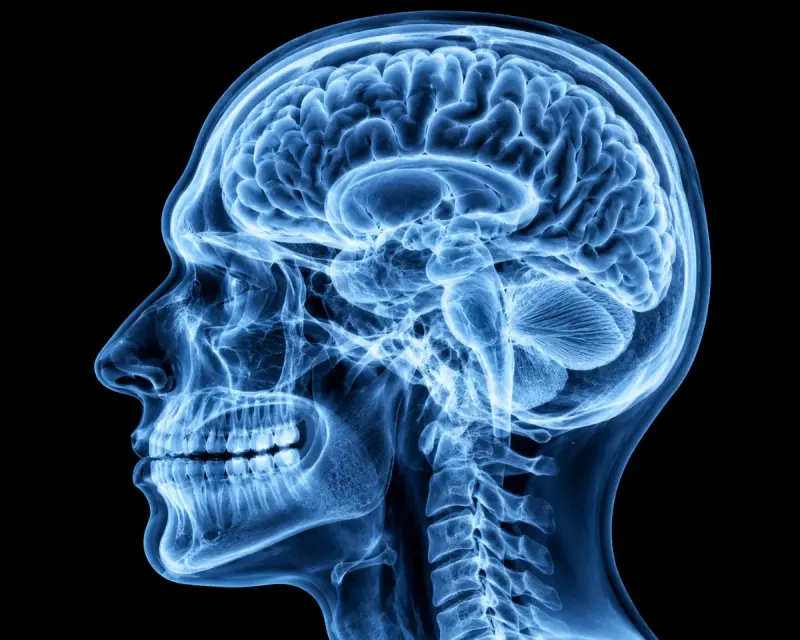
The team analyzed three brain regions: the prefrontal cortex, which is involved in decision-making and other cognitive functions; the amygdala, which plays an important role in emotional processing; and the hippocampus, which is associated with memory.
The researchers found that DNA methylation patterns varied more widely among people with PTSD than among those with major depressive disorder. The differences also varied between individuals with PTSD and appeared to be associated with factors including sex, race and whether trauma occurred during childhood or adulthood.
One notable finding was a relative reduction in oligodendrocytes in the amygdala of people with PTSD, particularly among those who experienced trauma during adulthood. Oligodendrocytes are cells that produce myelin, the protective covering around nerve fibres that helps electrical signals travel efficiently.
The study also identified more pronounced DNA methylation differences in the prefrontal cortex among people with PTSD. In comparison, major depressive disorder was associated with distinct methylation differences in the amygdala.
Champagne said the research aimed to better understand the biological features that distinguish the PTSD brain from brains affected by other conditions. The findings suggest that differences in DNA methylation and brain cell composition may help researchers investigate why PTSD affects individuals differently.
However, the findings do not establish a direct cause-and-effect relationship. Because the researchers examined brain tissue collected after death, they could not determine whether the molecular differences contributed to PTSD, developed as a result of the condition or were influenced by other factors.
The authors also noted that they lacked detailed information about participants' symptoms and their severity, which would be important for developing more individualized approaches to diagnosis and treatment.
Although the research does not provide an immediate diagnostic tool or treatment strategy, it offers a foundation for further investigation into the biological differences associated with PTSD. Future studies will need to establish whether these molecular patterns can be reliably identified in living patients and whether they could eventually help inform clinical care.



DISCUSSION (0)