
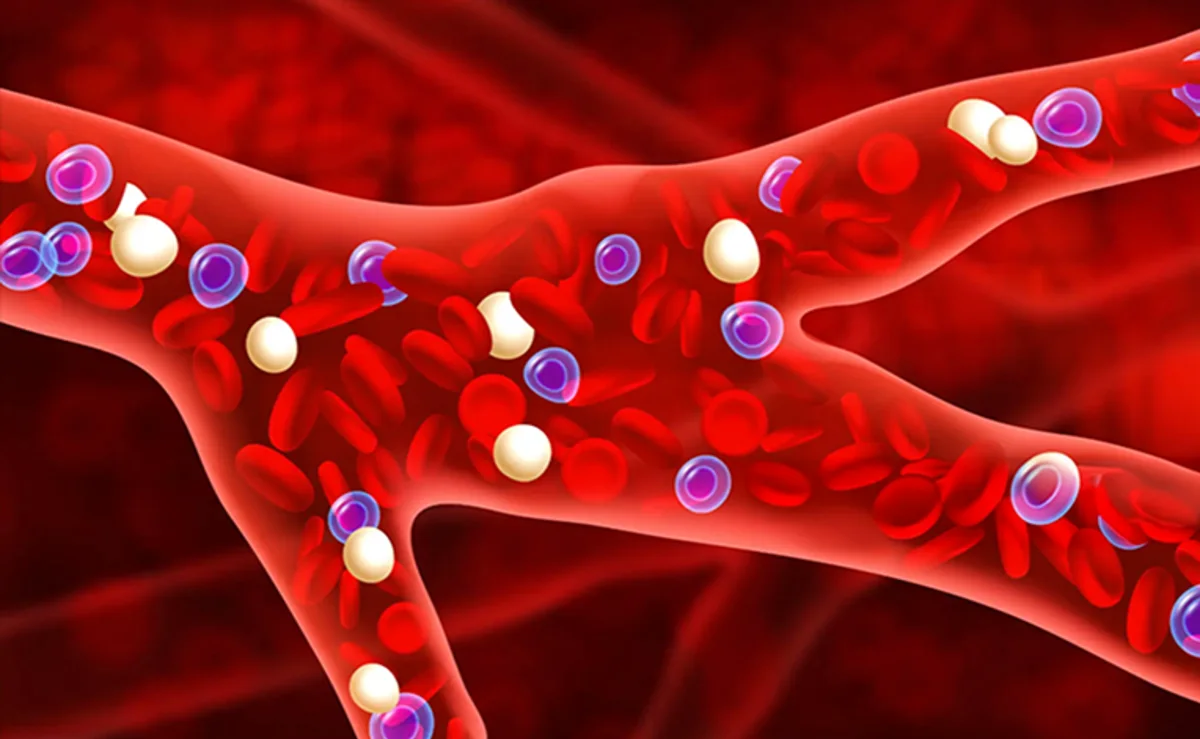
The next time you dismiss stress as ‘just in your head,’ consider this: your blood remembers it. A new study from researchers at the University of [redacted] has uncovered how acute psychological stress triggers measurable biochemical changes in the bloodstream, changes that may explain why chronic stress is a well documented risk factor for heart disease.
For decades, scientists have known that prolonged stress weakens cardiovascular health, but the precise biological pathway remained unclear. Previous theories suggested stress either spurred inflammation or concentrated blood through elevated blood pressure. However, the study’s authors propose a different mechanism: oxidative stress. When the body perceives a threat, whether a looming deadline or a public speaking engagement, it floods the system with free radicals, highly reactive molecules that disrupt normal cellular function. In this case, the researchers found that within minutes of stress exposure, these free radicals altered the blood’s clotting properties, pushing it into a hypercoagulable state, a condition where clots form more readily and persist longer.
The study, published in The Journal of Physiology, involved eight healthy young men who underwent two laboratory sessions: one with a controlled rest period and another with the Trier Social Stress Test, a standardized protocol designed to induce acute psychological distress. Participants delivered impromptu speeches to a panel of judges while being recorded, followed by a mental arithmetic task under pressure. Blood samples taken before and after revealed a sharp increase in free radicals during the stress session, alongside detectable changes in clot formation.
‘The blood isn’t just a passive carrier of oxygen,’ explains lead author Dr. [redacted], ‘it’s a dynamic system that responds to emotional states. What we’ve shown is that stress doesn’t just affect the heart indirectly, it rewires the blood’s very structure, making it more prone to clotting almost instantly.’ The implications are significant. Persistent hypercoagulability is a known precursor to cardiovascular events like heart attacks and strokes, and if chronic stress maintains this state over time, it could partially explain the link between emotional turmoil and heart disease.
The research team emphasizes that their findings, while groundbreaking, are preliminary. The small sample size (eight participants) and focus on young, healthy adults limit broader applicability. Still, the study offers a critical clue: the body’s stress response isn’t confined to the brain. It cascades through the bloodstream, altering fundamental physiological processes in ways that may have lasting consequences. For those managing chronic stress, the message is clear: what begins as mental strain may end up as a physical risk, one that demands attention beyond willpower alone.








DISCUSSION (0)