
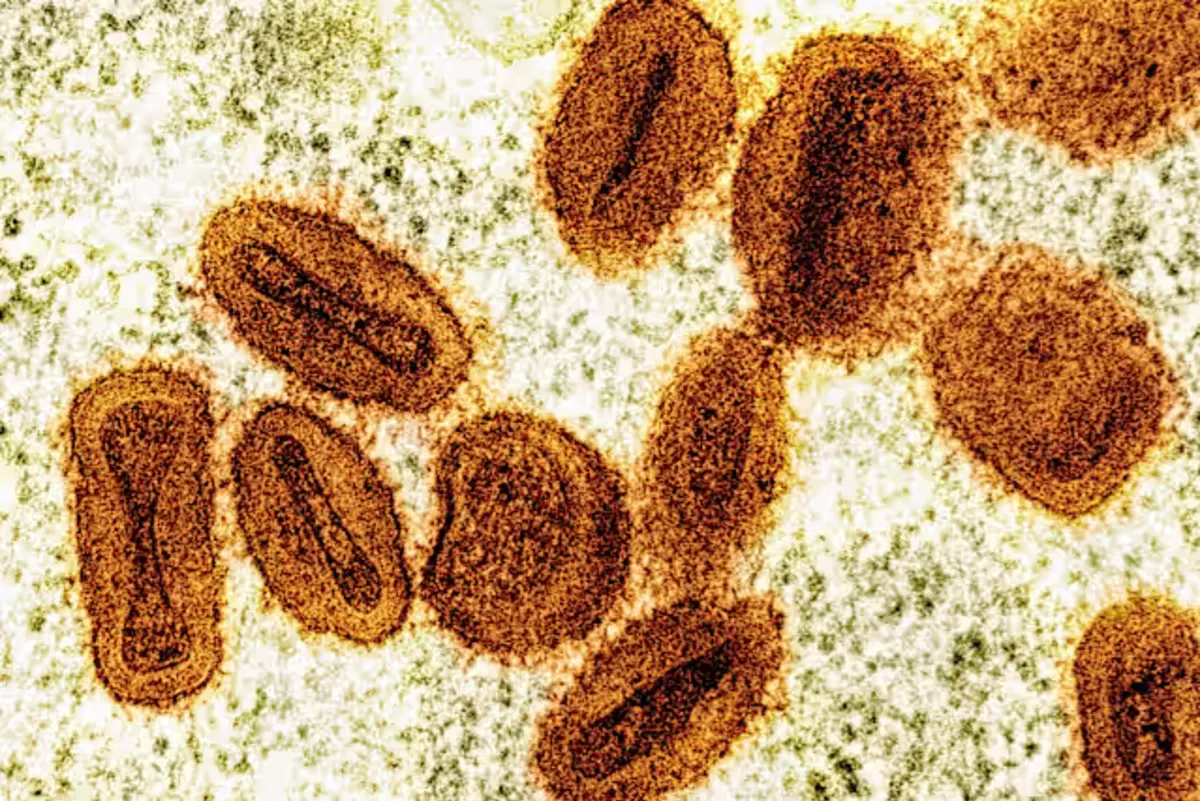
The U.S. government has charged two scientists at a federal research lab with smuggling vials of deactivated mpox virus into the country from Africa and providing false statements to investigators at a Michigan airport. The charges, unsealed in federal court in Detroit, allege that Vincent Munster, chief of the virus ecology section at Rocky Mountain Laboratories in Montana, and Claude Kwe, a colleague, failed to declare the biological materials and obtain proper authorization before re entering the United States.
The incident occurred in January after the pair traveled through Paris and the Republic of Congo, where an ongoing mpox outbreak has been linked to over 2,000 deaths. Despite Münster’s denial during questioning at Detroit Metropolitan Airport, tests later confirmed the presence of deactivated mpox samples in their possession. Authorities noted that their failure to disclose the materials and secure necessary permits posed a potential risk to public safety.
Marcus Sykes of the Department of Health and Human Services Office of Inspector General emphasized the gravity of the situation, stating that such actions undermine public trust and could have endangered lives. Neither scientist has yet commented on the allegations, though they are expected to appear in federal court in Missoula, Montana, for further proceedings.
The National Institutes of Health, which oversees the lab, confirmed its cooperation with law enforcement but declined to provide additional details due to the ongoing investigation. While the motive behind the alleged smuggling remains unclear, both researchers have extensive experience in mpox research, having contributed to studies on the virus’s transmission and epidemiology.
Mpox, previously known as monkeypox, is a viral disease characterized by fever, rash, and, in severe cases, life threatening complications. Though most infections resolve without intervention, the World Health Organization has long warned of its potential to spread beyond endemic regions. The current outbreak in the Democratic Republic of Congo, though declared over in April, underscores the virus’s persistent threat.
First identified in 1958 during monkey outbreaks, mpox has historically been concentrated in central and West Africa, where human cases arose from close contact with infected animals. However, in 2022, the virus gained global attention after spreading through sexual networks, prompting outbreaks in over 70 non endemic countries. The case against Münster and Kwe highlights the critical need for strict compliance with biosecurity protocols, particularly when handling high risk pathogens.








DISCUSSION (0)