
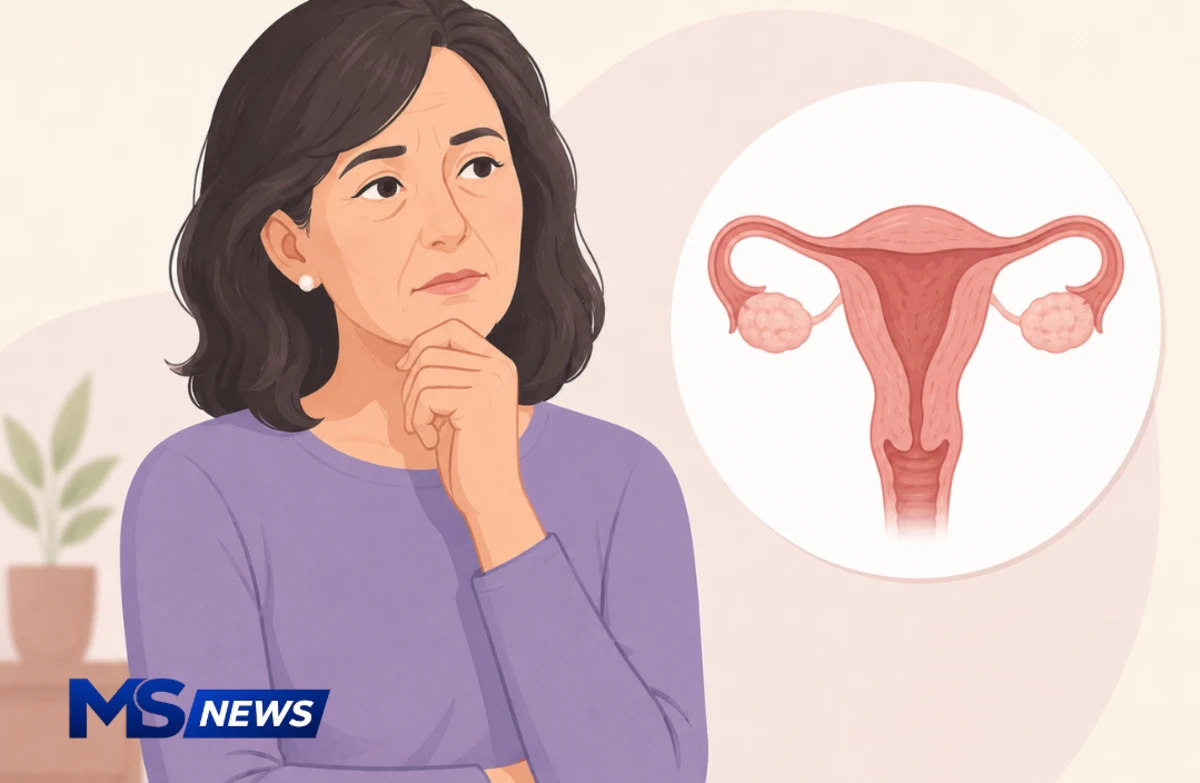
The uterus doesn’t stop aging with donor eggs, a landmark study presented at the 42nd Annual Meeting of the European Society of Human Reproduction and Embryology (ESHRE) reveals that women over 49 face significantly lower live birth rates and higher miscarriage risks, even when using eggs from younger donors.
The findings challenge a long held assumption that donor eggs alone can fully reset the reproductive clock by bypassing age related fertility decline. While egg quality is widely recognized as a primary factor in declining fertility, this research highlights that uterine aging plays an independent and critical role in pregnancy outcomes.
Researchers from the IVIRMA Global Research Alliance at IVI Roma analyzed 2,760 single blastocyst transfers involving 1,774 women who underwent donor oocyte treatment between March 2021 and December 2024. By isolating uterine factors, while controlling for egg quality, they compared pregnancy outcomes across four age groups: 35, 40, 41, 45, 46, 49, and 49 and older.
The results were striking. Clinical pregnancy rates dropped from 54.0% in women aged 35, 40 to just 42.6% in those 49 and older. Live birth rates fell even more sharply, from 46.2% to 31.7%, while miscarriage rates more than doubled, rising from 24.2% to 37.6%. Women over 49 also had significantly lower odds of achieving a live birth and more than double the odds of miscarriage compared to the youngest group.
Beyond raw numbers, the study uncovered biological clues: while uterine lining thickness remained stable across age groups, the proportion of women with a trilaminar endometrial pattern, a marker of a receptive uterus, declined sharply with age, from 94.7% in women aged 35, 40 to just 81.0% in those 49 and older. This suggests that age related changes in the uterine environment may impair embryo implantation and early pregnancy viability.
Lead author Dr. Beatrice Crestani emphasized that while donor eggs address egg quality, they do not erase the effects of uterine aging. ‘For many years, reproductive aging has been seen primarily as an ovarian issue,’ she explained. ‘Our findings suggest the picture is more complex.’ The study underscores that donor eggs remain highly effective for many women in their late 40s, but beyond age 49, uterine factors become a significant limiting factor.
Crestani cautioned that while the findings should not discourage women from pursuing donor oocyte treatment, they should be informed that success rates decline meaningfully after 49. ‘Patients should understand that donor eggs cannot completely eliminate the effects of reproductive aging,’ she noted, highlighting the need for better counseling and potential future interventions targeting uterine health.
The research opens new avenues for fertility care, particularly as maternal age at childbirth continues to rise globally. As reproductive technologies advance, addressing uterine aging may become as critical as improving egg quality in optimizing pregnancy outcomes for older women.








DISCUSSION (0)