
The World Health Organization (WHO) has warned that the ongoing Ebola outbreak in the Democratic Republic of Congo (DRC) and Uganda may be significantly underreported, with actual case numbers potentially two to four times higher than officially documented figures. The outbreak, now affecting nearly 2,000 people and resulting in over 700 deaths, remains a pressing public health crisis in the region.
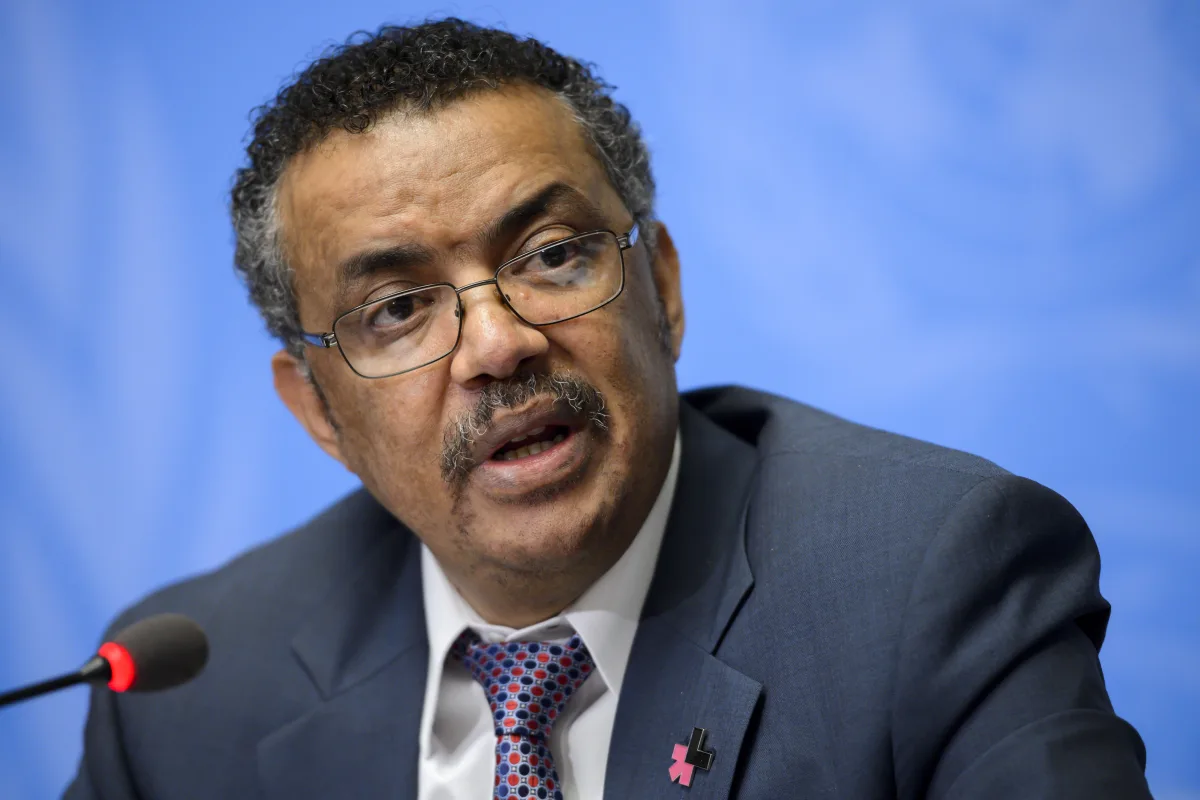
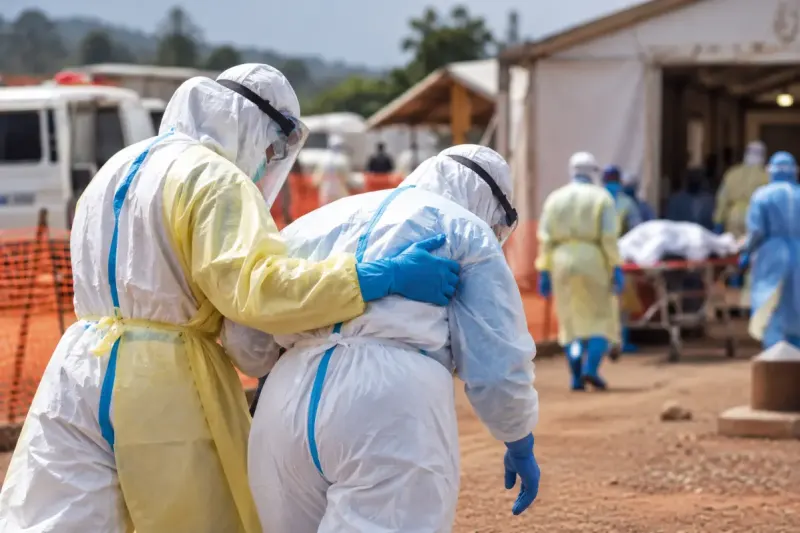
Dr. Chikwe Ihekweazu, WHO emergencies director, emphasized during a media briefing in Geneva that many cases remain undetected, particularly among individuals who die in their communities without seeking medical care. “The scale of the outbreak is at least two to four times the number of cases we have found,” Ihekweazu stated, highlighting the severity of the situation. He noted that survival rates improve significantly when infected individuals receive treatment in hospital settings, where patients are isolated, given intravenous fluids, and provided oxygen support.
The outbreak is concentrated in the DRC’s Ituri Province and neighboring North Kivu and South Kivu provinces, as well as in Uganda, where 20 cases have been confirmed. Ihekweazu warned that the virus’s spread continues to outpace response efforts by national authorities, international partners, and affected communities. He stressed the need for greater resources to combat the outbreak, as the WHO has received less than half of the $115 million (approximately €100 million) required for the first six months of the response.
“This outbreak requires resources that match the scale of the challenges we are facing,” Ihekweazu said. “This is not a burden the DRC can be allowed to carry alone.” The WHO official underscored the urgency of addressing funding gaps to prevent further escalation of the crisis.
Meanwhile, global travel restrictions are being implemented to mitigate the risk of international spread. The United States has tightened travel rules, requiring U.S. citizens in the DRC to spend at least 21 days in a third country before returning home and banning non citizens who have recently traveled to the DRC, Uganda, or South Sudan from entering the country.
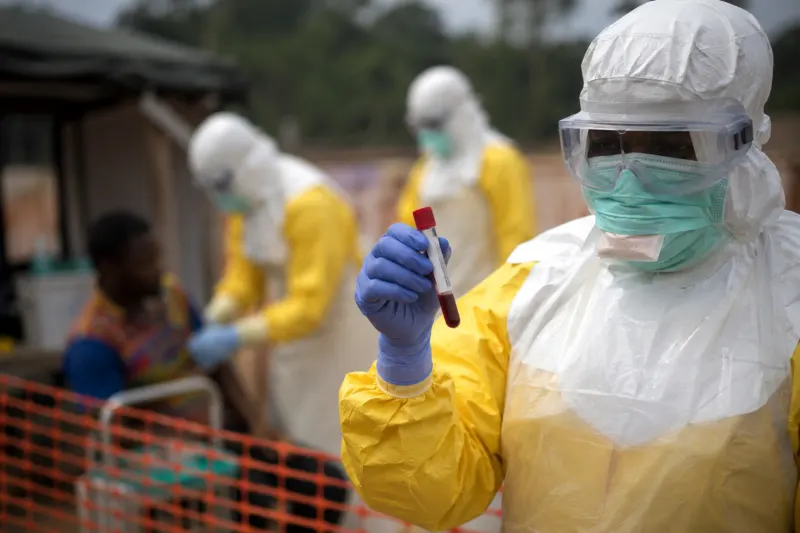
The Bundibugyo strain of Ebola, first identified in Uganda, remains highly lethal with no approved cure or vaccine. WHO continues to work with local health systems to dispel myths about treatment effectiveness and improve case detection to curb the outbreak’s rapid progression.





DISCUSSION (0)