
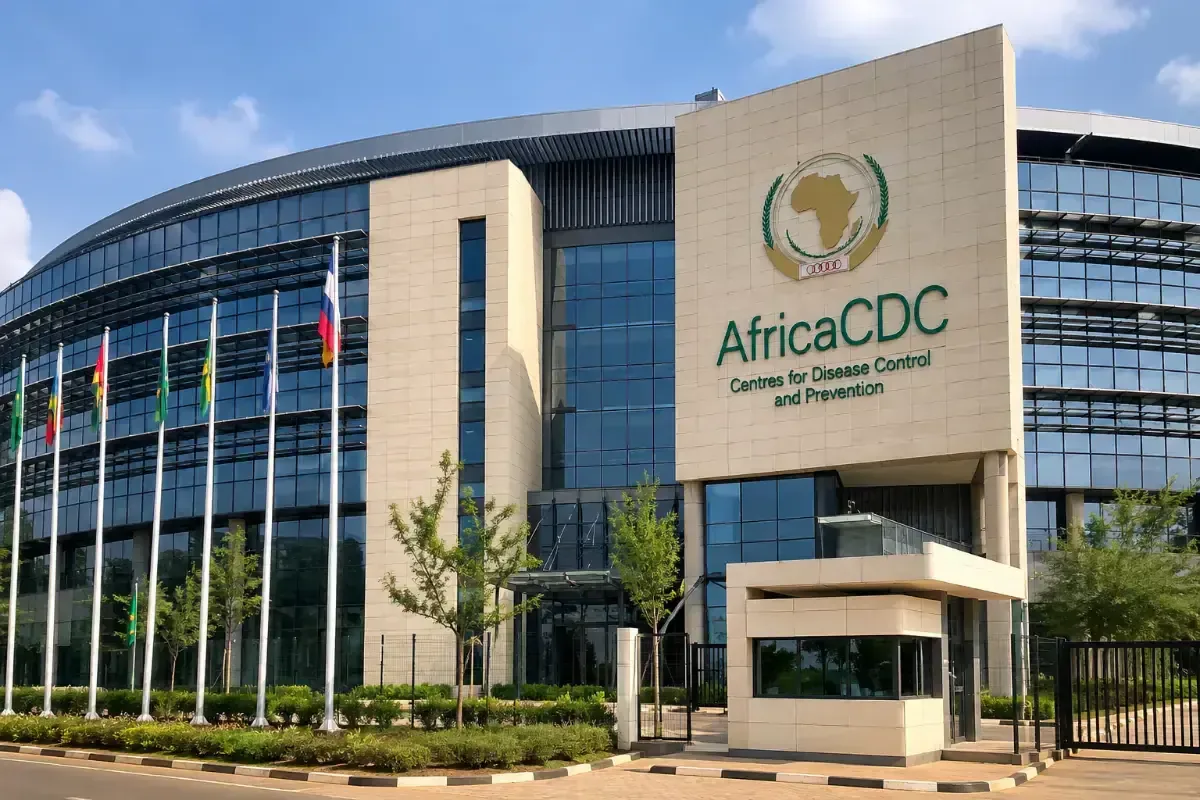
The World Health Organization (WHO) and the Africa Centres for Disease Control and Prevention (Africa CDC) have issued a joint call for an immediate, community driven response to curb the ongoing Ebola outbreak in the Democratic Republic of the Congo (DRC). Following a high level mission to Uganda and the DRC from August 4, 5, the organizations emphasized the need for stronger early detection, contact tracing, and resource delivery to affected communities.
The mission, led by WHO Director General Dr. Tedros Adhanom Ghebreyesus, Africa CDC Director General Dr. Jean Kaseya, and WHO Regional Director for Africa Dr. Mohamed Janabi, assessed operational challenges in Bunia, the outbreak’s epicenter, while drawing lessons from Uganda’s successful containment of its recent Ebola cases. Uganda, which declared the end of its outbreak on July 28, 2026, recorded 20 confirmed cases and two deaths before achieving full containment through early detection, rapid contact tracing, and coordinated national action.
Uganda’s experience underscored the critical role of community engagement, trusted local leadership, and sustained cross border surveillance. However, the DRC continues to face severe transmission, with 3,973 confirmed cases, 1,801 deaths, and 776 recoveries reported across 51 health zones in five provinces as of August 4, 2026. In the past 24 hours alone, the country recorded 99 new cases and 52 deaths, highlighting the urgency of the situation.
During their visit to Bunia, the delegation met with provincial authorities, frontline health workers, and community representatives. They visited the Rwangole Ebola Treatment Centre, assessing its capacity to expand access to care. The mission concluded that containing the outbreak hinges on direct community involvement, from symptom recognition and early reporting to safe burials and treatment adherence. Community, religious, women’s, and youth leaders were identified as key to building trust and ensuring response measures align with local realities.
Despite challenges like insecurity, population movement, misinformation, and strained health services, the delegation commended the resilience of communities and health workers operating under extreme conditions. However, they also noted critical gaps, including delayed detection, limited care access, resistance to response activities, and shortages of essential supplies. Contact follow up remains below the operational target of 95%, further complicating containment efforts.
Ituri Province, where Bunia, Rwampara, and Mongbwalu health zones are most affected, accounts for nearly 90% of confirmed cases. The organizations stressed that response operations must match the outbreak’s transmission pace, calling for sustained support to frontline teams and affected communities.
With neighboring countries remaining at risk due to cross border transmission, the mission reinforced the need for continued preparedness, laboratory readiness, and coordinated surveillance efforts.








DISCUSSION (0)