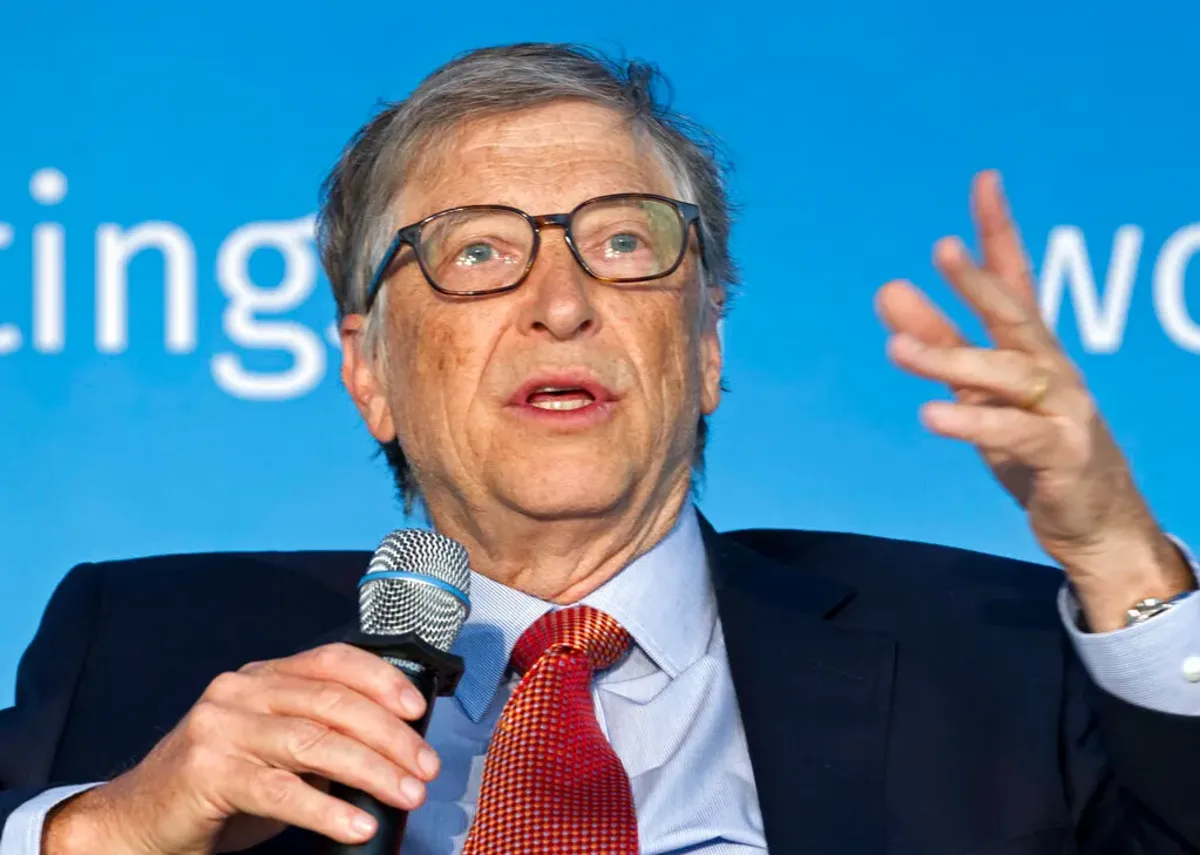
The global health gap could widen dramatically if artificial intelligence is not deployed early in Africa, according to Bill Gates, chair of the Gates Foundation. Speaking at the inaugural Paul Farmer Butaro Dialogues on Health Equity and Innovation in Rwanda, Gates warned that unchecked market forces would ensure AI benefits primarily wealthy nations, leaving Africa’s already strained healthcare systems further behind.
Gates emphasized that Africa’s healthcare workforce, already among the most overburdened in the world, could be significantly relieved by AI driven tools capable of optimizing decision making, streamlining services, and identifying critical support needs. “Tools that help health workers make decisions, streamline services, and identify where more support is needed will save many, many lives,” he stated. While AI holds promise for accelerating progress against diseases like malaria, tuberculosis, HIV, and malnutrition, its greatest impact would lie in improving healthcare delivery itself.
Rwanda, a regional leader in digital health integration, was highlighted as a model for AI adoption. Gates praised the country’s progress in maternal and child health, where mortality rates have fallen by over 80% since the turn of the century, but underscored the persistent global crisis: more than 300,000 women still die annually from pregnancy related complications, with the vast majority in low resource settings. Similarly, nearly five million children under five die each year, many from preventable causes.
Gates pointed to advancements like expanded access to ultrasound technology, oxygen therapy systems such as Continuous Positive Airway Pressure (CPAP), and new treatments for postpartum hemorrhage, a leading cause of maternal mortality, as critical levers for reducing these preventable deaths. He stressed that innovation must be designed with equity at its core, aligning with the vision of Dr. Paul Farmer, the late global health advocate and co founder of Partners In Health.
Institutions like the University of Global Health Equity (UGHE), a partner in the dialogue, were identified as pivotal in adapting AI tools to local contexts, ensuring they address language barriers and community specific health challenges. Gates also noted that Rwanda’s National Health Intelligence Center demonstrates how digital technologies can enhance healthcare delivery, reinforcing the need for early and equitable AI integration.
The warning comes as AI adoption in Africa faces structural barriers, including limited electricity access, insufficient digital infrastructure, and a shortage of skilled workforce. Gates’ call for proactive deployment underscores the urgency of ensuring that AI’s transformative potential is not confined to high income nations but instead serves the most vulnerable populations first.








DISCUSSION (0)