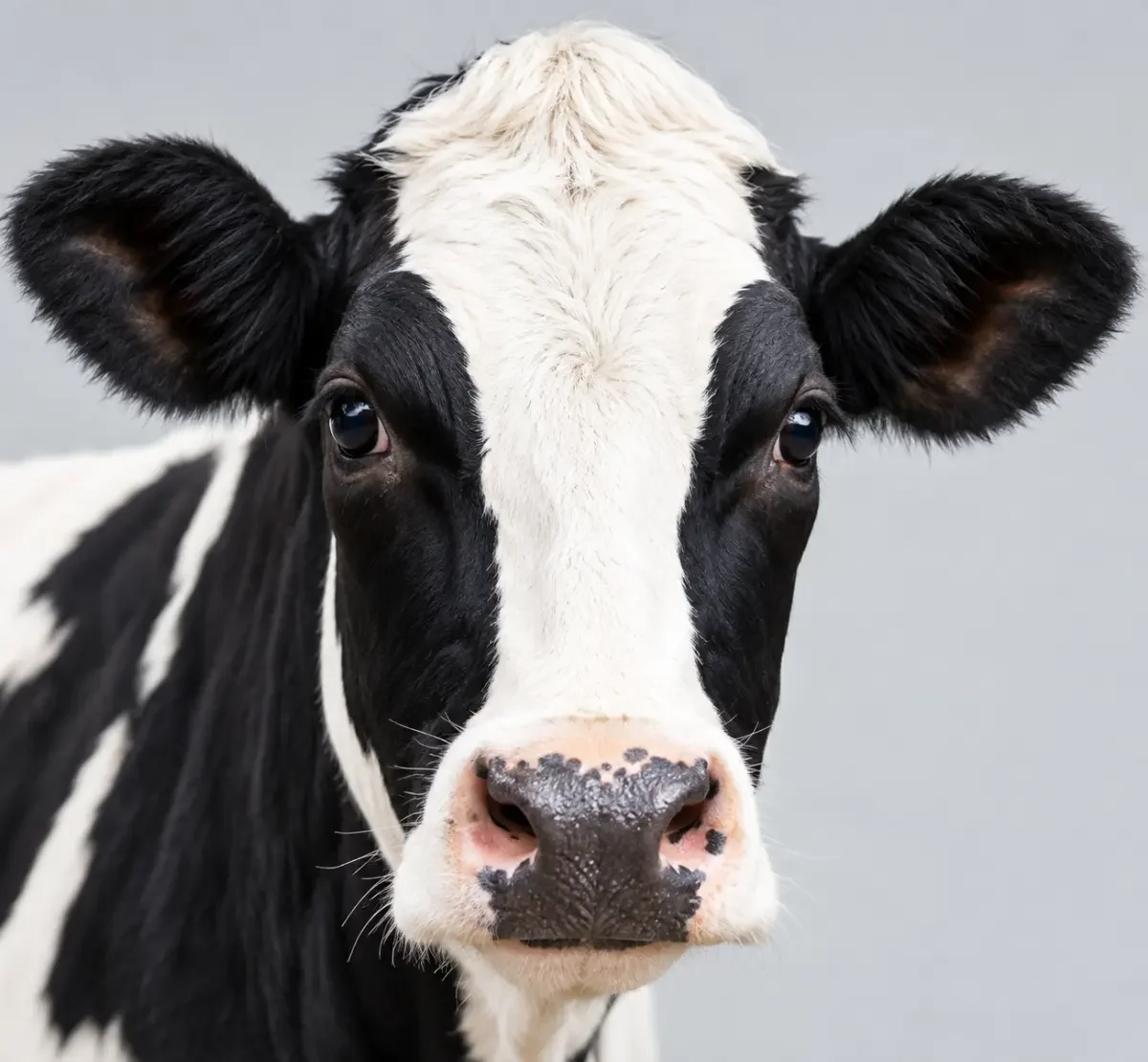
The United Kingdom is experiencing its worst ever outbreak of bluetongue, a viral disease affecting livestock, with cases surpassing the combined total of the past three years. The World Organisation for Animal Health has linked the spread of this African origin virus to climate breakdown, as rising temperatures enable midges to transmit the disease farther north than ever before.
The current strain, serotype 3 (BTV 3), was first detected in England in 2023 and has since spread rapidly. Defra, the UK’s Department for Environment, Food & Rural Affairs, has recorded 2,201 cases so far this season, already exceeding the total from the previous three years combined. The outbreak has extended as far north as Aberdeenshire in Scotland, marking the disease’s first appearance there.
Bluetongue primarily affects sheep and cattle, causing symptoms including high fevers, mouth ulcers, swollen heads, lameness, and, most visibly, the bluish discoloration of the tongue. In severe cases, the disease can be fatal. While it does not pose a risk to human health or food safety, farmers are facing significant challenges managing the outbreak.
Robyn Munt, vice president of the National Farmers’ Union, described the situation as “really challenging.” She noted that vaccine availability has been difficult to secure, with distribution following a demand led process. “During a year where livestock businesses are already under immense pressure from drought related costs, dealing with bluetongue adds even more labor and stress,” she said.
The virus is transmitted by biting midges, and climate scientists warn that warmer temperatures are enabling the insects to thrive in regions where they previously could not survive. Tom Cantillon, a senior analyst at the Energy and Climate Intelligence Unit, called this year’s outbreak a “harbinger of things to come,” emphasizing that climate change is increasing the likelihood of milder winters and hotter summers. “Pests and pathogens that were once unable to survive here can now establish themselves,” he said. “This will have profound impacts not just on farmers, but on public health more broadly.”
Earlier this year, mosquitoes capable of transmitting Zika and dengue viruses were found breeding in homes in east London, further illustrating the risks posed by warming climates. Cantillon stressed that while vaccinations for livestock can help mitigate some risks, the underlying issue remains unaddressed: “We cannot vaccinate against the kinds of climate that encourage these outbreaks. The only solution is to reduce emissions to net zero and halt warming altogether.”
With the current bluetongue season running from July 2026 to June 2027, farmers are urged to maintain constant vigilance, as midges remain active in many parts of the UK due to sustained high temperatures. The scale of this outbreak underscores the urgent need for both adaptive measures and long term climate action.








DISCUSSION (0)