

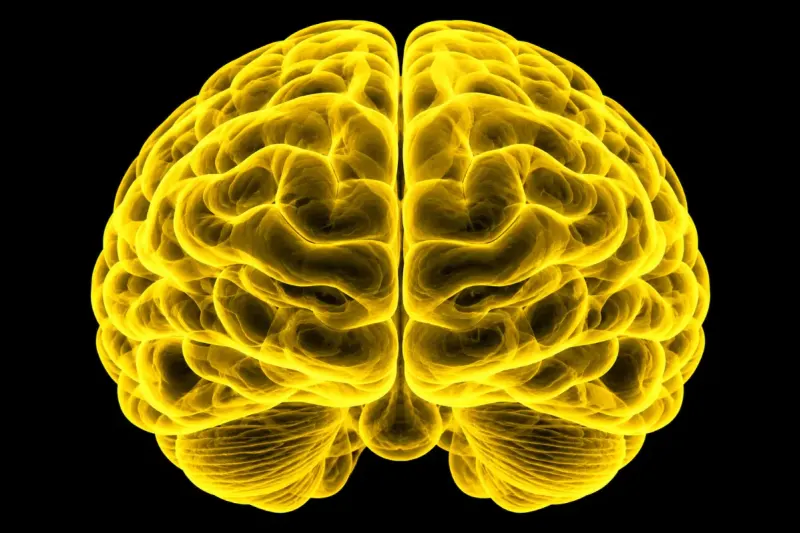
The brain’s intricate circuitry that governs growth hormone release during deep sleep has been uncovered by researchers at the University of California, Berkeley, offering fresh insights into how sleep, metabolism, and brain function are interconnected.
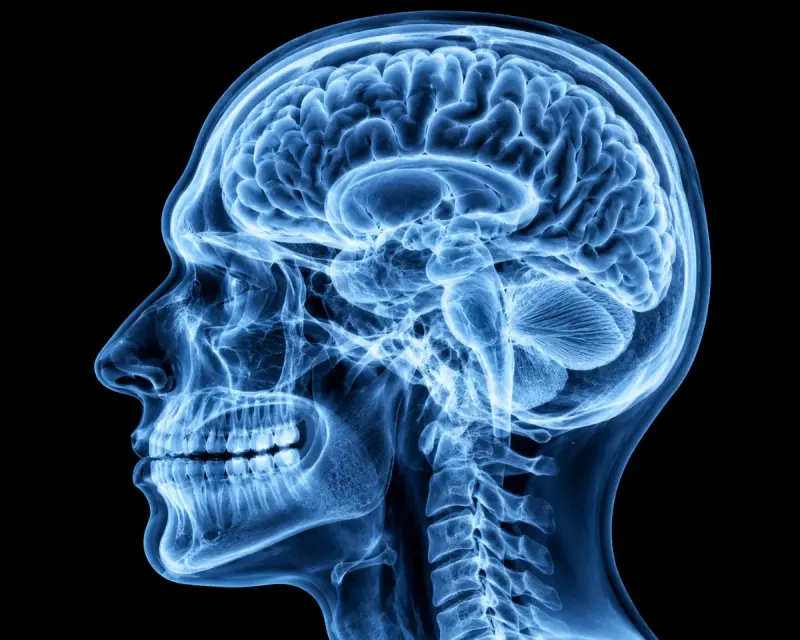
For decades, scientists have observed that growth hormone, critical for muscle repair, fat metabolism, and healthy development, peaks during deep, non REM sleep. However, the precise neural mechanisms behind this process remained elusive. In a study published in Cell, the Berkeley team identified a feedback loop in the hypothalamus, an ancient brain region shared across mammals, that directly regulates growth hormone secretion during sleep.
The discovery reveals how two types of hypothalamic neurons, those releasing growth hormone releasing hormone (GHRH) and somatostatin neurons, coordinate to trigger growth hormone release. Once released, the hormone activates neurons in the locus coeruleus, a brainstem region linked to alertness and cognitive function. Dysregulation in this circuit has been associated with neurological disorders, including Alzheimer’s and Parkinson’s disease.
‘People have long known that growth hormone release is tied to sleep, but we’ve never seen the neural activity behind it,’ said Xinlu Ding, the study’s lead author and a postdoctoral fellow in neuroscience. ‘By directly recording brain activity in mice, we’ve mapped the exact circuit, this could open doors for future treatments targeting sleep disorders, metabolic diseases, and even neurodegenerative conditions.’
The findings also highlight the broader implications of poor sleep. Chronic sleep deprivation disrupts growth hormone balance, potentially increasing risks for obesity, diabetes, and cardiovascular disease. Understanding this neural pathway may enable targeted therapies, such as gene based interventions, to modulate growth hormone release or restore sleep hormone harmony.
Using optogenetics, techniques that allow precise control of neural activity, the researchers stimulated hypothalamic neurons in mice while monitoring their sleep patterns. The study’s breakthrough came from observing how these neurons interact in real time, revealing a previously unknown feedback mechanism that maintains hormonal equilibrium.
‘This circuit could provide a novel way to influence the locus coeruleus, which hasn’t been explored before,’ said Daniel Silverman, a co author and UC Berkeley postdoctoral fellow. ‘If we can dial back its excitability, it might help restore normal growth hormone function, potentially improving sleep quality and metabolic health.’
The research underscores the deep biological connection between sleep and physiological processes, offering a foundation for future investigations into sleep related disorders and their systemic effects on the body.





DISCUSSION (0)