
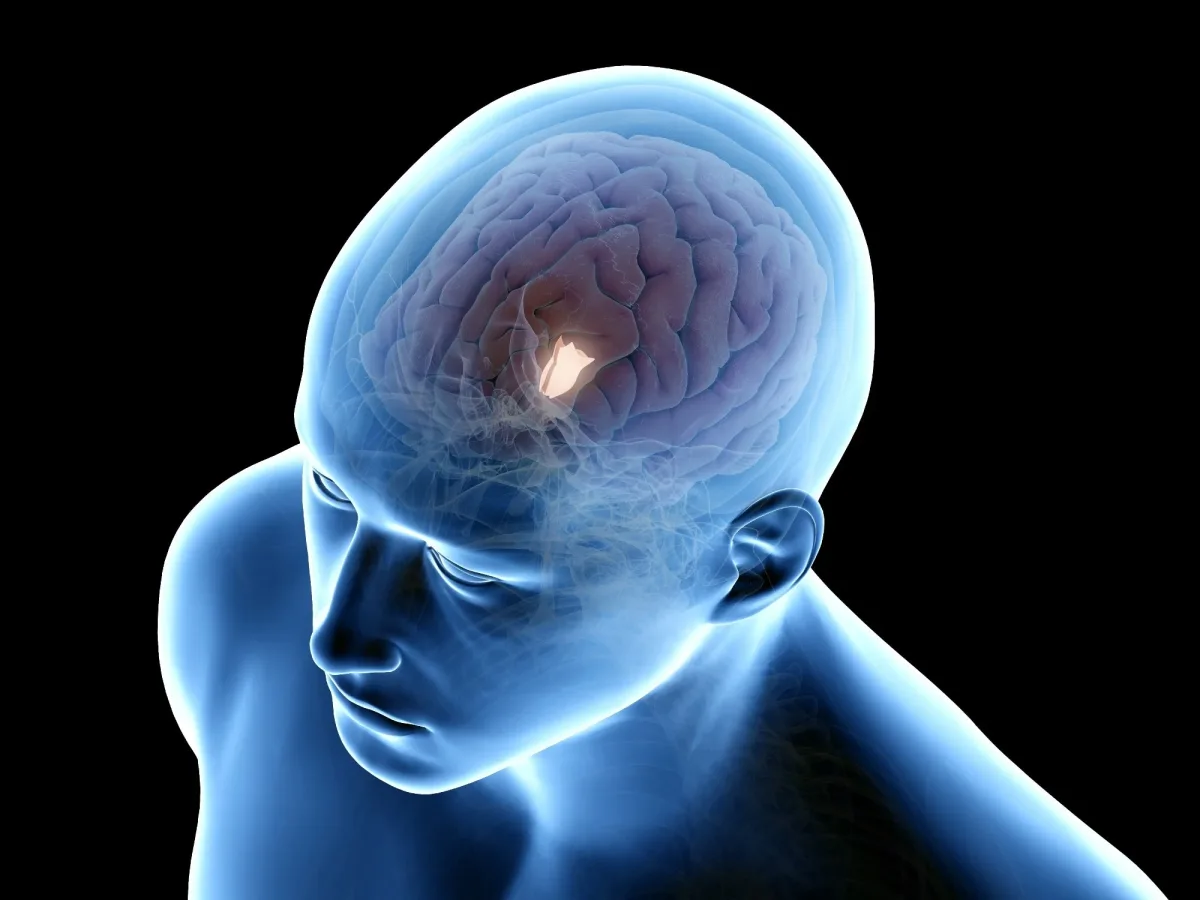
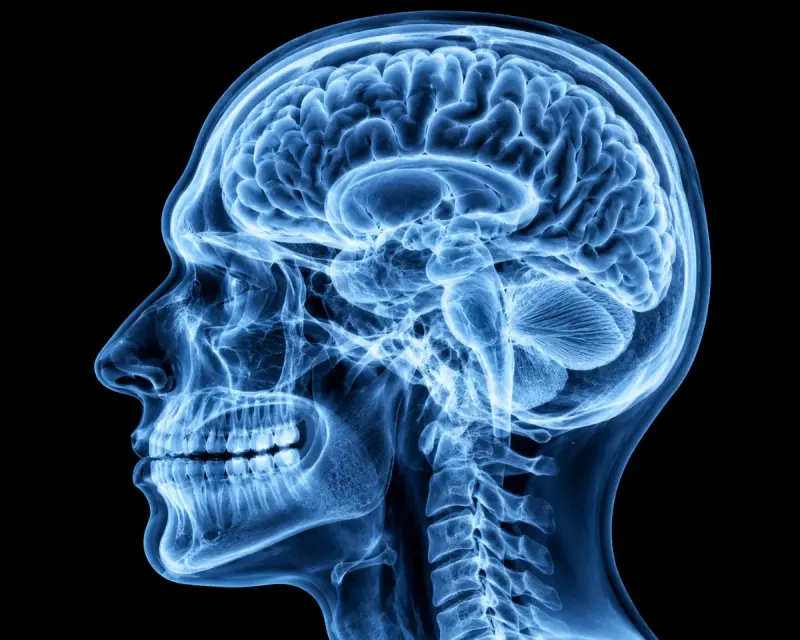
A newly discovered brain protein called Menin may act as a critical biological regulator of aging, influencing inflammation, cognitive decline, and physical deterioration, according to research published in PLOS Biology. Scientists from Xiamen University found that declining levels of Menin in the hypothalamus, a small but influential brain region controlling metabolism, hormones, and stress responses, correlate with age related changes in mice, including memory loss, bone weakness, and reduced lifespan.
The study, led by Lige Leng, revealed that Menin levels drop sharply in the ventromedial hypothalamus (VMH) as mice age, triggering neuroinflammation and systemic decline. Unlike nearby brain cells, neurons in the VMH showed a significant reduction in Menin, suggesting its role as a protective factor against aging. When researchers artificially lowered Menin levels in younger mice, the animals exhibited accelerated aging symptoms: thinner skin, reduced bone density, impaired balance, memory deficits, and a shortened lifespan.
The findings also uncovered a surprising link between Menin and D serine, an amino acid that supports neural communication and memory. As Menin levels declined, so did D serine production, due to reduced activity of an enzyme essential for its synthesis. D serine, found naturally in foods like soybeans, eggs, and fish, has previously been associated with cognitive decline in aging. When researchers restored Menin levels in older mice through gene therapy, the animals showed improved memory, balance, skin thickness, and bone density within just 30 days, alongside increased D serine in the hippocampus, a memory center.
Further testing demonstrated that D serine supplementation alone could enhance cognitive function in older mice, though it did not fully reverse all age related physical deterioration. The results suggest that targeting Menin, or boosting D serine, could offer novel strategies to mitigate aging effects, though human applications remain speculative at this stage.
The study adds to growing evidence that the hypothalamus may serve as a central hub for aging processes, offering a potential new avenue for interventions that could extend healthspan and improve quality of life in older adults.



DISCUSSION (0)