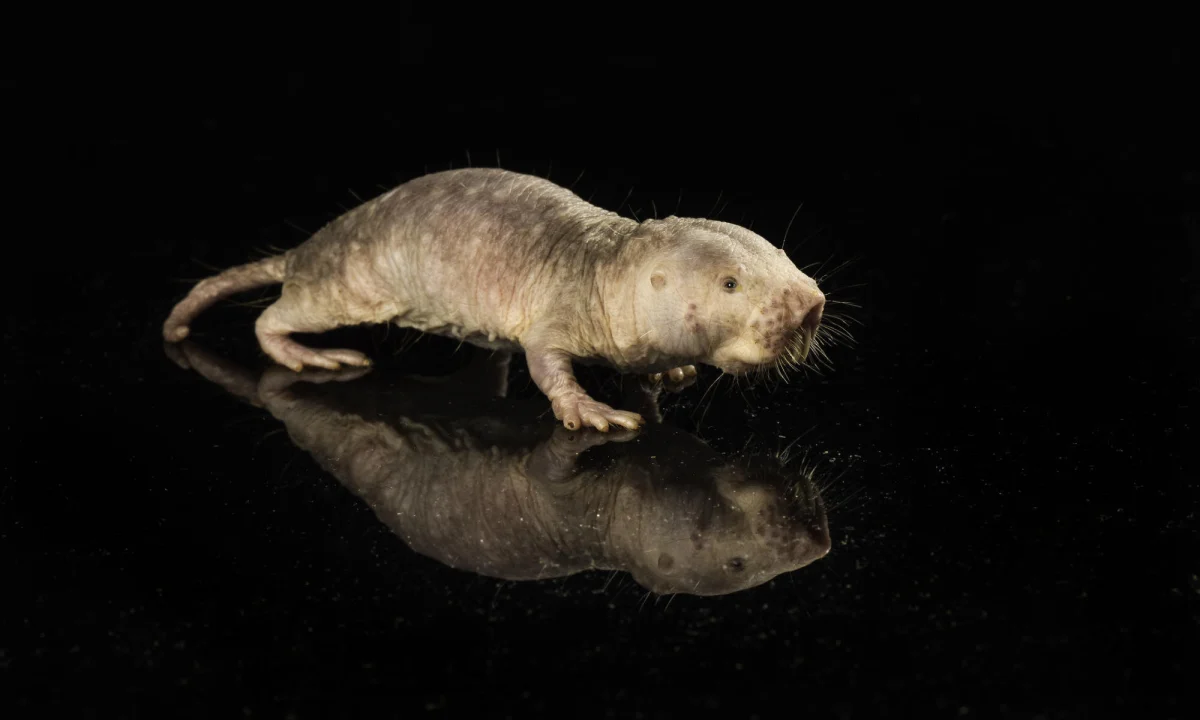
A gene linked to the extraordinary longevity of naked mole rats has successfully extended lifespan and enhanced health in mice, offering new insights into potential anti aging interventions for humans. Researchers at the University of Rochester demonstrated that transferring the hyaluronan synthase 2 gene, responsible for producing high molecular weight hyaluronic acid (HMW HA), from naked mole rats into mice resulted in a 4.4% increase in median lifespan, along with reduced cancer risk, lower inflammation, and improved gut health.
Naked mole rats, known for their remarkable resilience, can live up to 41 years, nearly ten times longer than similarly sized rodents, and rarely develop age related diseases such as cancer, neurodegeneration, or cardiovascular disorders. Their biology has long fascinated scientists studying aging, particularly their unusually high levels of HMW HA, a molecule associated with tissue repair, anti inflammatory effects, and tumor suppression.
In a study published in Nature in 2023, the Rochester team genetically engineered mice to produce the naked mole rat version of the hyaluronan synthase 2 gene. The modified mice exhibited significantly higher levels of HMW HA across multiple tissues, leading to stronger resistance against spontaneous tumors and chemically induced skin cancer. Beyond cancer protection, the genetically altered mice also demonstrated reduced age related inflammation, a key driver of degenerative diseases, and maintained healthier gut microbiomes.
"Our study provides a proof of principle that unique longevity mechanisms evolved in long lived species can be adapted to benefit other mammals," said Vera Gorbunova, lead researcher and Doris Johns Cherry Professor of biology and medicine at Rochester. The findings suggest that HMW HA may play a critical role in delaying aging related decline, offering a potential target for future human health interventions.
The research underscores the potential of cross species gene transfer in uncovering universal pathways for extending healthy lifespan. While further studies are needed to explore its applicability in humans, the results highlight the naked mole rat as a valuable model for understanding, and potentially combating, the biological mechanisms of aging.





DISCUSSION (0)