A protein that helps regulate inflammation may hold the key to reversing some of the most debilitating effects of aging, according to new research from the University at Buffalo. Scientists discovered that boosting levels of tristetraprolin (TTP) in elderly mice significantly improved muscle strength, energy, and bone health, offering a potential pathway for future human therapies aimed at healthier aging.
The findings, published in the January 2026 issue of Aging and Disease, focus on a process called inflammaging, the chronic, low grade inflammation that accelerates with age and contributes to frailty, weakened immunity, and increased susceptibility to chronic diseases. As people grow older, their immune systems become less resilient, a condition known as immunosenescence, which further exacerbates inflammation and tissue damage.
Keith Kirkwood, DDS, PhD, senior associate dean for research and Centennial Endowed Chair in the Department of Oral Biology at the University at Buffalo School of Dental Medicine, led the study. TTP plays a critical role in controlling inflammation by breaking down inflammatory signals before they can accumulate in the body. However, TTP levels naturally decline with age, particularly in immune cells, allowing inflammation to persist and worsen.
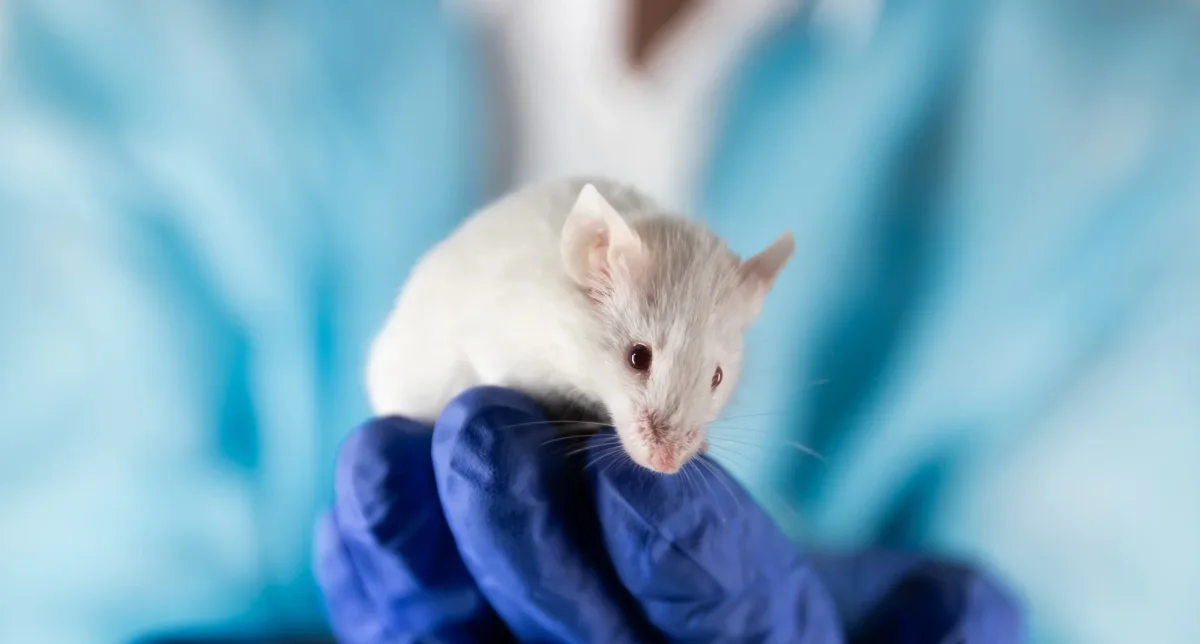
To test whether restoring TTP could mitigate age related decline, the research team genetically modified a group of elderly mice (22 months old, equivalent to late human adulthood) to maintain stable TTP levels. The results were striking: the treated mice exhibited significantly improved physical performance, including stronger grip strength, faster walking speeds, greater treadmill endurance, and higher energy levels compared to untreated counterparts.
‘This protein really targets RNA for rapid degradation,’ Kirkwood explained. ‘Most pro inflammatory signals have a very short half life, meaning they only last for minutes, not hours. By stabilizing TTP, we essentially put the brakes on the buildup of these harmful signals, reducing chronic inflammation and its associated damage.’
The research was supported by a $2.1 million grant from the National Institutes of Health and spanned six years across the University at Buffalo’s South and Downtown campuses. Kirkwood collaborated with Bruce Troen, MD, professor and chief of geriatric medicine at the University of Kansas School of Medicine, and Perry Blackshear, MD, PhD, a former investigator at Duke University Medical Center and the National Institute of Environmental Health Sciences.
‘In the United States, about 15% of adults aged 65 and older in non nursing home settings are classified as frail,’ Kirkwood noted. ‘Understanding how inflammaging, immune system changes, and bone health interconnect is essential for developing targeted interventions that could improve quality of life for aging populations.’
The study’s lead author, Ramkumar Thiyagarajan, now an assistant professor at the University of Kansas, emphasized the potential broader implications. ‘If we can replicate these effects in humans, this could represent a major breakthrough in combating age related frailty and improving mobility and independence in older adults,’ he suggested.
While the research is still in its early stages, the findings offer a promising glimpse into how molecular interventions might one day help people age more robustly. As the global population continues to grow older, with nearly one in four Americans projected to be 65 or older by 2050, such discoveries could transform how we approach healthy aging.



DISCUSSION (0)