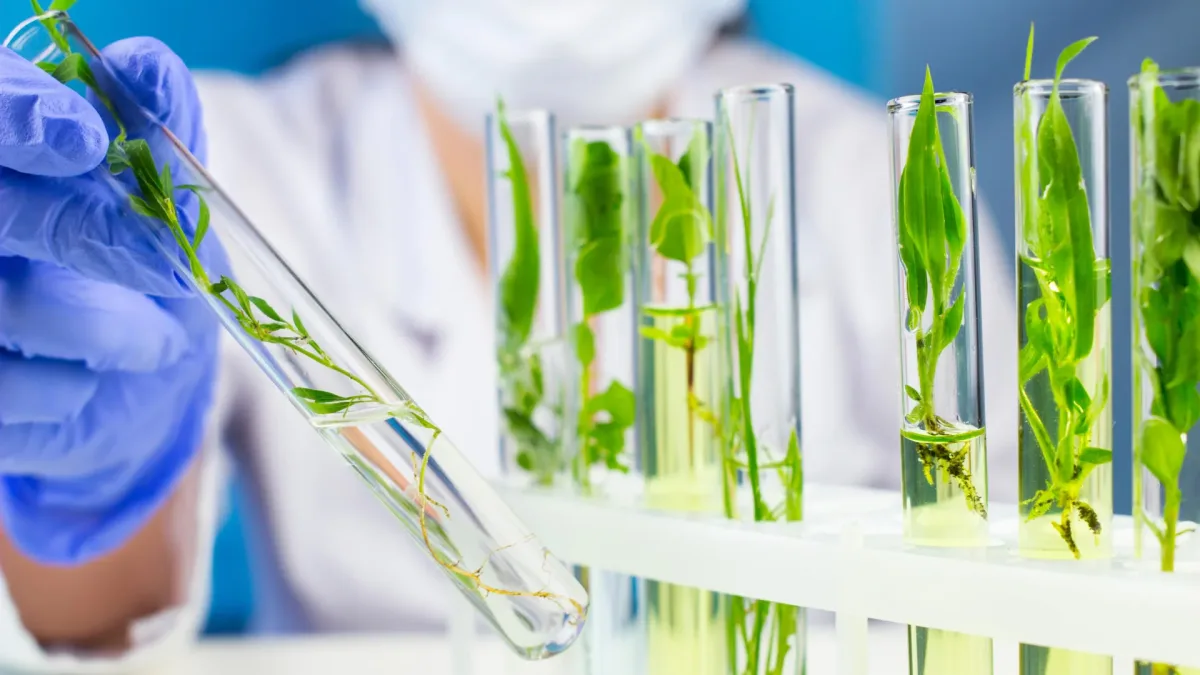
The molecular blueprint for mitraphylline, a rare plant derived compound with potent anti cancer properties, has been uncovered by scientists at the University of British Columbia Okanagan, offering a pathway toward sustainable production of a molecule previously limited by its scarcity in nature.
Mitraphylline belongs to a class of complex plant chemicals called spirooxindole alkaloids, known for their twisted ring structures and demonstrated anti tumor activity. Despite decades of study, the precise steps plants use to assemble these molecules remained elusive until now. A team led by Dr. Thu Thuy Dang, Principal’s Research Chair in Natural Products Biotechnology, identified two critical enzymes that orchestrate mitraphylline’s formation.
The first enzyme organizes the molecular framework into its distinctive three dimensional shape, while the second enzyme catalyzes the final transformation into mitraphylline itself. Dr. Dang described the discovery as ‘finding the missing links in an assembly line,’ clarifying how nature constructs these intricate compounds and providing a foundation for replicating the process in laboratories.
Mitraphylline’s pharmaceutical potential is significant, but its natural occurrence is extremely limited, found only in trace amounts in tropical plants like Mitragyna speciosa (kratom) and Uncaria (cat’s claw). The new understanding of its biosynthetic pathway could enable scalable, sustainable production methods, reducing reliance on wild harvesting and lowering costs for further research and development.
The research, published in Nature Chemical Biology, was conducted in collaboration with Dr. Satya Nadakuduti’s group at the University of Florida. Funding was provided by Canada’s Natural Sciences and Engineering Research Council, the Canada Foundation for Innovation, the Michael Smith Health Research BC Scholar Program, and the United States Department of Agriculture’s National Institute of Food and Agriculture.
‘This discovery opens a green chemistry approach to accessing compounds with enormous pharmaceutical value,’ said doctoral student Tuan Anh Nguyen, lead author of the study. ‘It represents a collaborative effort between UBC Okanagan and international partners to solve a problem with global health implications.’
Dr. Dang emphasized the broader implications, stating, ‘Plants are nature’s chemists, and by understanding their molecular toolkit, we can harness it to create a wider range of therapeutic compounds.’ The next phase of research will focus on adapting these biosynthetic pathways to produce related anti cancer and anti inflammatory molecules.







DISCUSSION (0)