
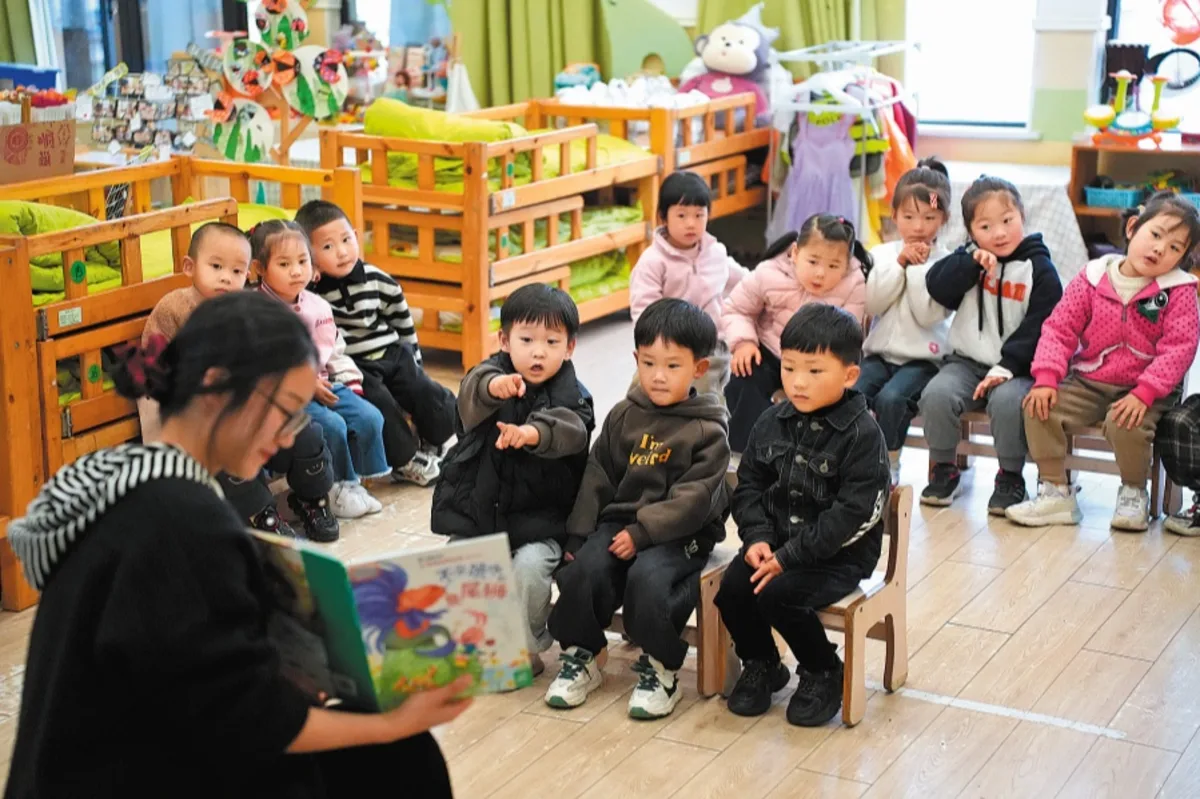
The Chinese government is moving to strengthen oversight of preschool education and clarify rising healthcare costs in rural areas, following public outcry over safety concerns and financial barriers.
In response to a high profile child abuse case at a Beijing kindergarten in November, China’s Ministry of Education announced plans to draft legislation ensuring the legal operation and management of preschool institutions. Vice Minister of Education Tian Xuejun stated that the ministry is conducting research on this legislation, which would also establish stricter qualifications for preschool teachers and develop a code of ethics for them. The move comes after the case exposed systemic issues, including insufficient resources, weak supervision, and inconsistent enforcement of regulations in some regions.
Tian acknowledged the growing demand for preschool enrollment outpacing available capacity, a mismatch that has left many families seeking alternatives with uneven safety standards. The ministry is also preparing to enhance kindergarten oversight and address resource shortages to better meet public needs.
Separately, the National Health and Family Planning Commission addressed concerns over increased fees for China’s rural cooperative medical system, which rose from 30 yuan to 180 yuan per person. While the fee increase drew public criticism, the commission clarified that government subsidies for individuals have risen significantly, from 20 yuan to 450 yuan per person over recent years. Additionally, reimbursement rates for hospitalization costs under the system have doubled, from 35% to 75%, easing financial burdens for rural residents.
To ensure affordability, the commission emphasized that comprehensive medical assistance remains available for those unable to cover fees. These measures aim to balance cost recovery with equitable access to healthcare, particularly in rural communities where medical expenses can be prohibitive.
The government’s dual focus on preschool safety and rural healthcare reflects broader efforts to reconcile public demand with systemic challenges, ensuring both educational and medical services are accessible, regulated, and responsive to citizens’ needs.








DISCUSSION (0)