
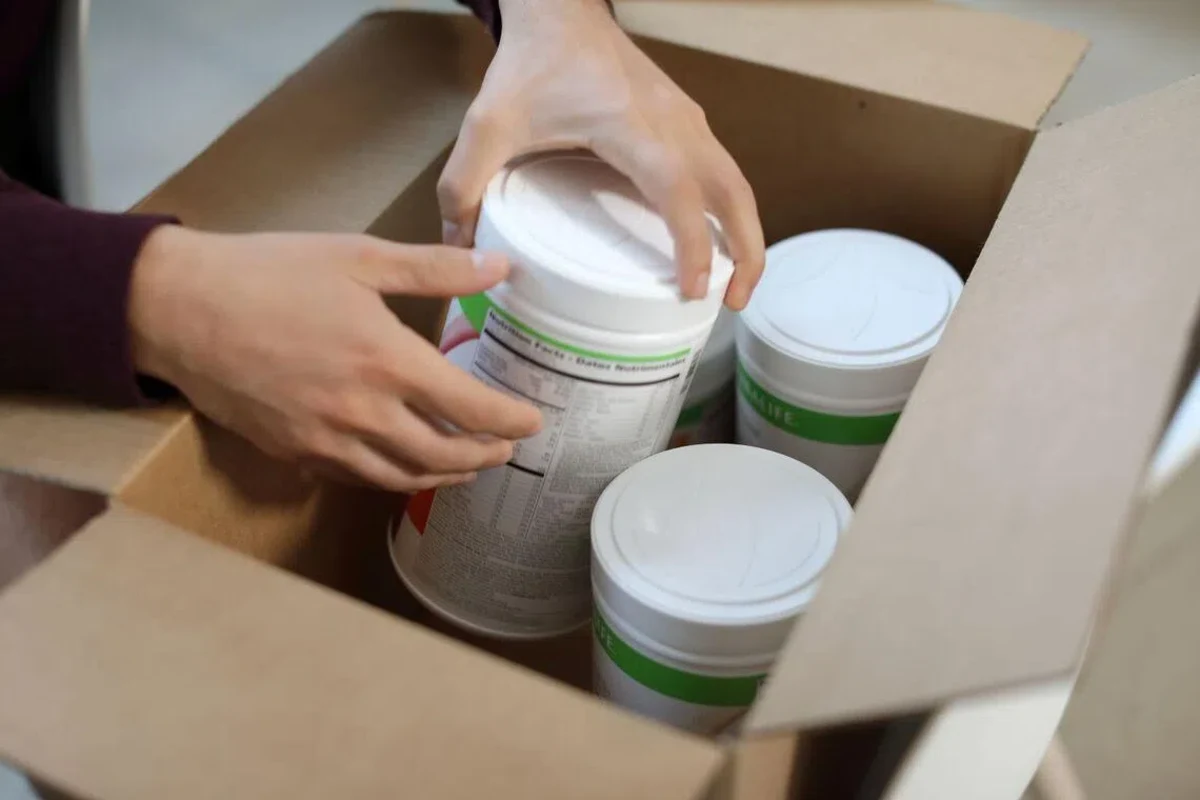
The Suzhou police in eastern China have dismantled a criminal operation generating over 20 million yuan ($3 million) by selling counterfeit Herbalife products, a U.S.-based brand specializing in weight management and nutritional supplements.
The investigation began after e commerce giant Alibaba flagged suspicious activity. On November 1, officers raided a four story property in suburban Suzhou, Jiangsu province, where seven individuals were caught packing counterfeit goods. Authorities seized nearly 2 metric tons of raw materials, including protein powder, cookies, and labels bearing the Herbalife logo, alongside packaging materials. Five additional suspects were later detained in Nanjing, Jiangsu province, and Guangzhou and Zhanjiang in Guangdong province, all accused of distributing the fake products online.
Twelve individuals in total were placed under criminal detention. The ringleader, a 36 year old man identified only as Ding, had previously evaded legal consequences for producing fake health foods between 2007 and 2009. One of his subordinates, surnamed Jiang, had been convicted in that earlier case and served three years in prison. Upon release, Jiang reportedly rejoined Ding, restarting the operation with a focus on counterfeit Herbalife products sold for approximately 300 yuan per can.
According to police, Ding’s operation replicated the texture and flavor of Herbalife products using protein powder, cookies, and other food additives. Samples of the counterfeit goods have been sent for testing to assess potential health hazards. The operation’s scale was substantial, with Ding’s team reportedly producing hundreds of cans daily.
The case underscores broader concerns about the proliferation of fake nutritional supplements in China, where unregulated markets and online sales platforms can facilitate the distribution of potentially dangerous products. Authorities have not yet disclosed the results of the health risk assessments, but the seizure highlights the need for heightened consumer vigilance and stricter enforcement against counterfeit health products.
Experts from the World Health Organization have previously warned about the risks associated with counterfeit medicines and supplements, including incorrect dosages, harmful additives, and lack of efficacy. The Chinese government has also emphasized the importance of verifying product authenticity, particularly in the rapidly expanding e commerce sector.






DISCUSSION (0)