
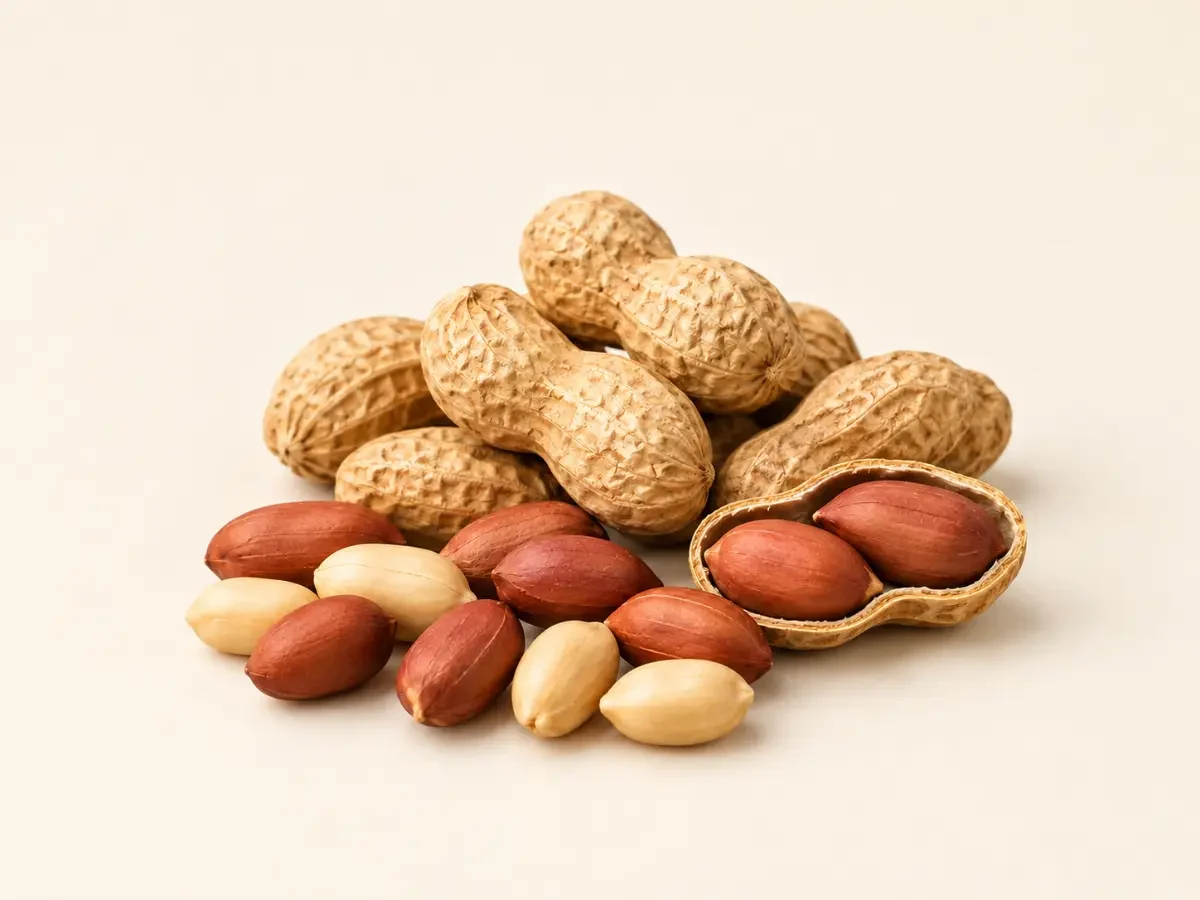
A new study from the Netherlands suggests that regularly eating unsalted, skin roasted peanuts may enhance insulin responsiveness in the brains of older adults, a finding that could have implications for memory and cognitive health.
The research, published in Food & Function, was conducted by the Institute of Nutrition and Translational Research in Metabolism (NUTRIM) at Maastricht University Medical Center. Over 16 weeks, 31 healthy adults aged 60 to 75 consumed 60 grams of peanuts daily, roughly two servings, and showed measurable improvements in brain insulin sensitivity, particularly in regions linked to memory.
Insulin plays a critical role in the brain, supporting nerve cell growth, communication, and protection against age related cognitive decline. Dr. Peter Joris, the study’s senior author and associate professor in nutrition science, explained that as people age, the brain often becomes less responsive to insulin, which has been associated with declines in memory and other cognitive functions.
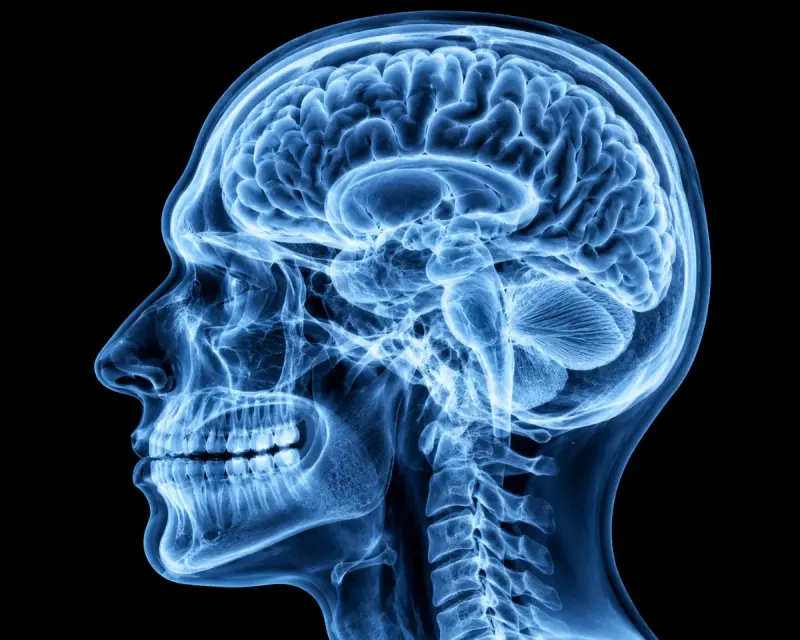
The study found that after 16 weeks of peanut consumption, brain insulin responsiveness improved in a specific cluster of the right hemisphere, including parts of the lingual gyrus, hippocampus, and parahippocampal and posterior cingulate gyri, all regions involved in memory formation and recall.
“Our study found that daily peanut consumption beneficially affected insulin responsiveness in memory related brain regions in older adults,” Joris said. “These findings suggest that enhanced regional brain insulin responsiveness may contribute to the cognitive benefits of unsalted, skin roasted peanut intake.”
The research used advanced brain imaging techniques, including arterial spin labeling magnetic resonance imaging (ASL MRI), to measure changes in regional cerebral blood flow (CBF) after intranasal insulin administration. Participants also underwent cognitive testing using the Cambridge Neuropsychological Test Automated Battery (CANTAB).
Previous work by Joris and his team, published in Clinical Nutrition in 2025, had already shown that the same 16 week peanut intervention increased global cerebral blood flow by 3.6% and verbal memory by 5.8%. The current study builds on those findings by focusing specifically on brain insulin responsiveness.
The study was designed as a randomized, controlled crossover trial, meaning participants alternated between the peanut intervention and a control period with no peanut consumption. This approach helped isolate the effects of peanut intake on brain health.
Joris noted that peanuts contain multiple nutrients, including unsaturated fats, dietary fiber, vitamins, minerals, and bioactive phytochemicals, that may contribute to these brain benefits. They are also a rich source of plant based protein and L arginine, an amino acid that supports nitric oxide production, which has been linked to improved learning and memory.
Participants were instructed to consume the peanuts in the morning or afternoon, either all at once or spread throughout the day. The study was funded by The Peanut Institute Foundation, which did not influence the research design, analysis, or publication.
The findings add to growing evidence that dietary choices may play a role in supporting brain health as people age. While the study focused on peanuts, the researchers emphasized that further research is needed to determine whether these effects apply to other nuts or foods.
Lucia Kerkhof, the study’s principal investigator and a doctoral candidate at Maastricht University, led the research. The study’s results were published in October 2026 and underscore the potential of simple dietary changes to support cognitive function in older adults.






DISCUSSION (0)