
A new study published in The Lancet Regional Health Europe provides reassuring evidence that the dengue vaccine TAK 003 demonstrates a strong safety profile among travelers from regions where dengue is not endemic. The findings, based on real world data from over 1,000 individuals vaccinated in Catalonia, address a critical knowledge gap and support the vaccine’s potential role in global dengue prevention strategies.
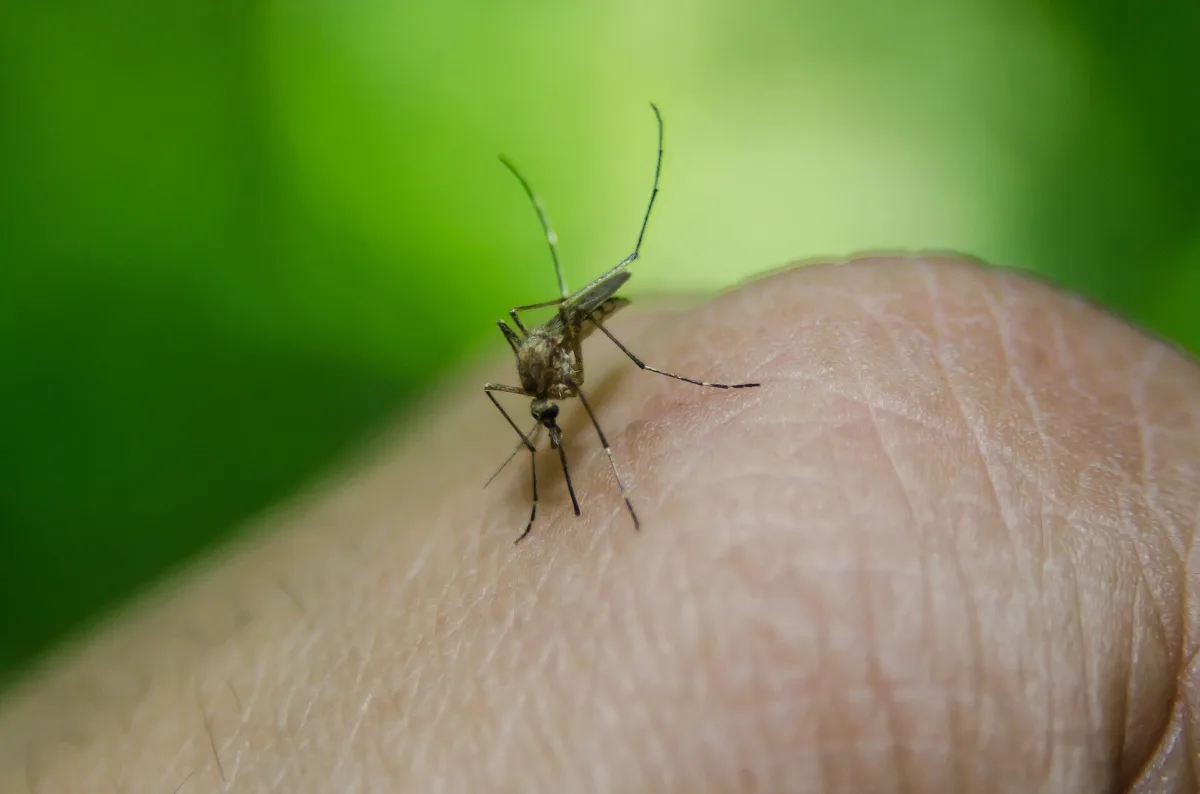
Dengue, a viral disease transmitted by Aedes mosquitoes, affects more than 100 countries and poses a growing threat due to climate change and increased international travel. The World Health Organization estimates that over half of the world’s population lives in areas at risk of infection, with dengue now ranking among the leading causes of fever among travelers to endemic regions. A safe and effective vaccine is therefore essential to protect vulnerable populations and inform public health responses.
TAK 003 is the first dengue vaccine authorized in Europe, but its safety in travelers, particularly older adults, those with pre existing conditions, and individuals receiving additional vaccines, has remained understudied. To address this, researchers from the Barcelona Institute for Global Health (ISGlobal) and Hospital Clínic Barcelona conducted a pharmacovigilance study across eight travel health centers in Catalonia. The study followed 1,028 travelers, primarily adults, who received the vaccine between January and December 2024, monitoring them for adverse effects after each dose.
The results were overwhelmingly positive: no serious adverse events were observed following the administration of 1,851 vaccine doses. While over half of participants experienced some form of reaction, these were predominantly mild or moderate, typically localized pain at the injection site, headache, fatigue, or general malaise, and occurred less frequently after the second dose. These findings align with the vaccine’s established tolerability profile in clinical trials but now extend its safety reassurance to a broader, real world population.
The study also identified subtle patterns in adverse effects. Women, individuals with prior dengue infection, and those who received concurrent flavivirus vaccines, such as the yellow fever vaccine, were more likely to report reactions. For women, these were mostly localized, while systemic symptoms like fever were more common in the other two groups. Importantly, no increased reactogenicity was observed in adults over 60 or those with comorbidities, two groups for which safety data had previously been limited.
The researchers also confirmed that co administration of TAK 003 with nonflaviviral vaccines did not heighten the risk of adverse events, reinforcing its suitability for pretravel consultations. “Our findings expand the evidence base for TAK 003’s safety in European travelers and underscore the need for continued monitoring of its long term impact and effectiveness,” said Dr. José Muñoz, head of the International Health Service at Hospital Clínic Barcelona and a study author.
With dengue’s global burden continuing to rise, these results offer critical support for vaccine use in travelers, particularly those from non endemic regions who may face heightened risk upon exposure. The study’s conclusions align with broader public health goals to mitigate dengue’s impact through vaccination, vaccination, and targeted prevention strategies.








DISCUSSION (0)