
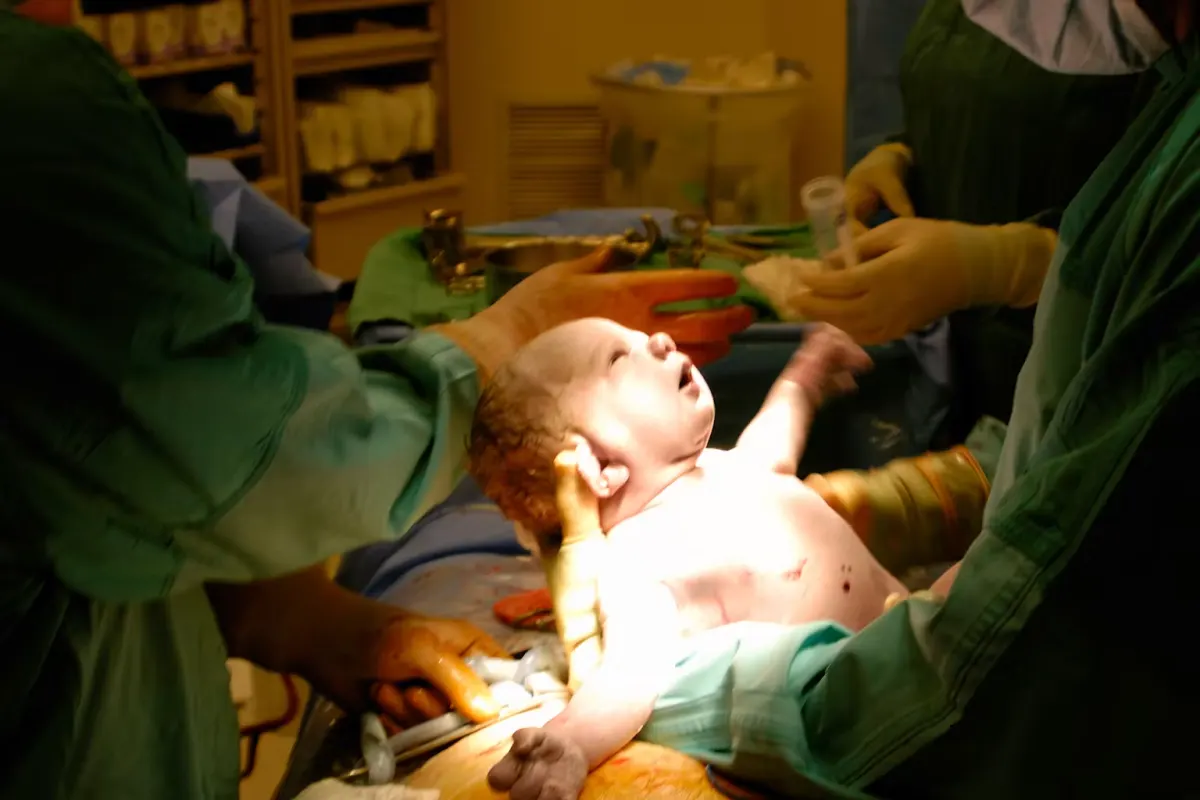
The proportion of emergency caesarean deliveries in England has surged to one in four births, marking an eight percentage point increase over the past five years, according to newly analyzed maternity data. While vaginal births without instruments remain the most common delivery method, their share has fallen from 53% to 43%, while elective caesareans now account for 20% of all births.
The shift represents a fundamental change in how women give birth in England, with experts attributing the rise to a combination of staffing pressures, cultural shifts in maternity care, and the removal of historical targets limiting caesarean rates. Unlike other European countries, England’s increase has been particularly steep, rising from 14th to 9th place among 42 nations in terms of caesarean prevalence between 2020 and 2025.
Prof. Marian Knight, director of the National Perinatal Epidemiology Unit, described the trend as a ‘total change in how women give birth,’ noting that emergency caesareans, ranging from life threatening emergencies to prolonged labor, now constitute 26% of deliveries. The NHS does not publish detailed reasons for these procedures, leaving experts to speculate about contributing factors, including a perceived culture of fear among both healthcare providers and expectant mothers.
The Royal College of Obstetricians and Gynaecologists has warned that staff shortages and operating theatre constraints are straining the system, potentially influencing clinical decisions. NHS England maintains that caesarean decisions are made on an individual basis to ensure maternal and neonatal safety, though critics argue that without transparent data on procedural justifications, the rise remains unexplained.
Emergency caesareans carry well documented risks, including prolonged recovery, mental health impacts, and complications in future pregnancies. Despite the increase, stillbirth and neonatal mortality rates have remained largely stable, raising concerns among obstetricians. Prof. Shakila Thangaratinam of the University of Liverpool highlighted the need for clearer reporting, particularly regarding disparities: Black and Asian mothers experience emergency caesareans at a rate of one in three births, compared to the national average.
Researchers are investigating whether underlying factors, such as maternal age, obesity, or pre existing conditions, contribute to the trend, though Prof. Knight also cited the influence of high profile maternity scandals, including those in Morecambe Bay, East Kent, and Shrewsbury and Telford, where avoidable maternal and neonatal deaths prompted inquiries. The removal of caesarean rate targets in 2022 further signaled a shift toward prioritizing clinical judgment over standardized metrics.
Without improved data transparency, experts warn that the rise in emergency caesareans could reflect systemic challenges rather than improved maternal or neonatal outcomes. The implications for long term maternal health and equity in care remain uncertain until further investigation.








DISCUSSION (0)