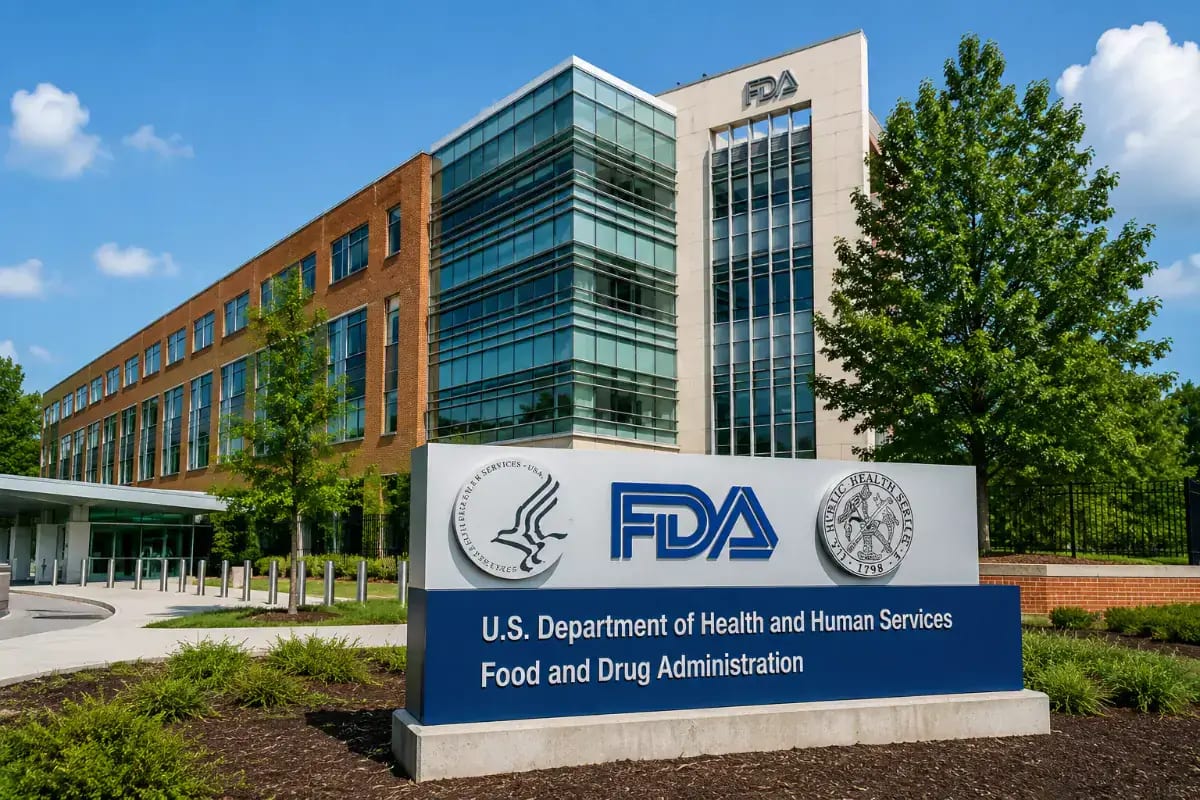
The FDA has granted approval to Replimune's RP1, an oncolytic virus therapy for advanced cutaneous squamous cell carcinoma, following years of clinical development. This milestone comes as the biotech industry experiences a geographic shift, with companies increasingly moving operations from traditional hubs like Boston and San Francisco to more affordable regions. Meanwhile, new research underscores the role of tau protein in Alzheimer's disease, adding to the growing body of evidence about its mechanisms.
Replimune has secured FDA approval for its oncolytic virus therapy, RP1, designed to treat advanced cutaneous squamous cell carcinoma in patients who are not candidates for curative surgery or radiation. The therapy, which combines a genetically modified herpes simplex virus with a immune boosting protein, represents a significant advancement in oncolytic immunotherapy. Clinical trials demonstrated a 31.5% overall response rate in patients, with some experiencing durable responses lasting over a year.
The approval arrives after multiple setbacks, including a clinical hold in 2021 due to safety concerns. Replimune's persistence reflects the broader challenges and rewards of developing novel cancer therapies. RP1 is now the second oncolytic virus therapy approved in the U.S., following Amgen's Imlygic, which gained approval in 2015.



DISCUSSION (0)