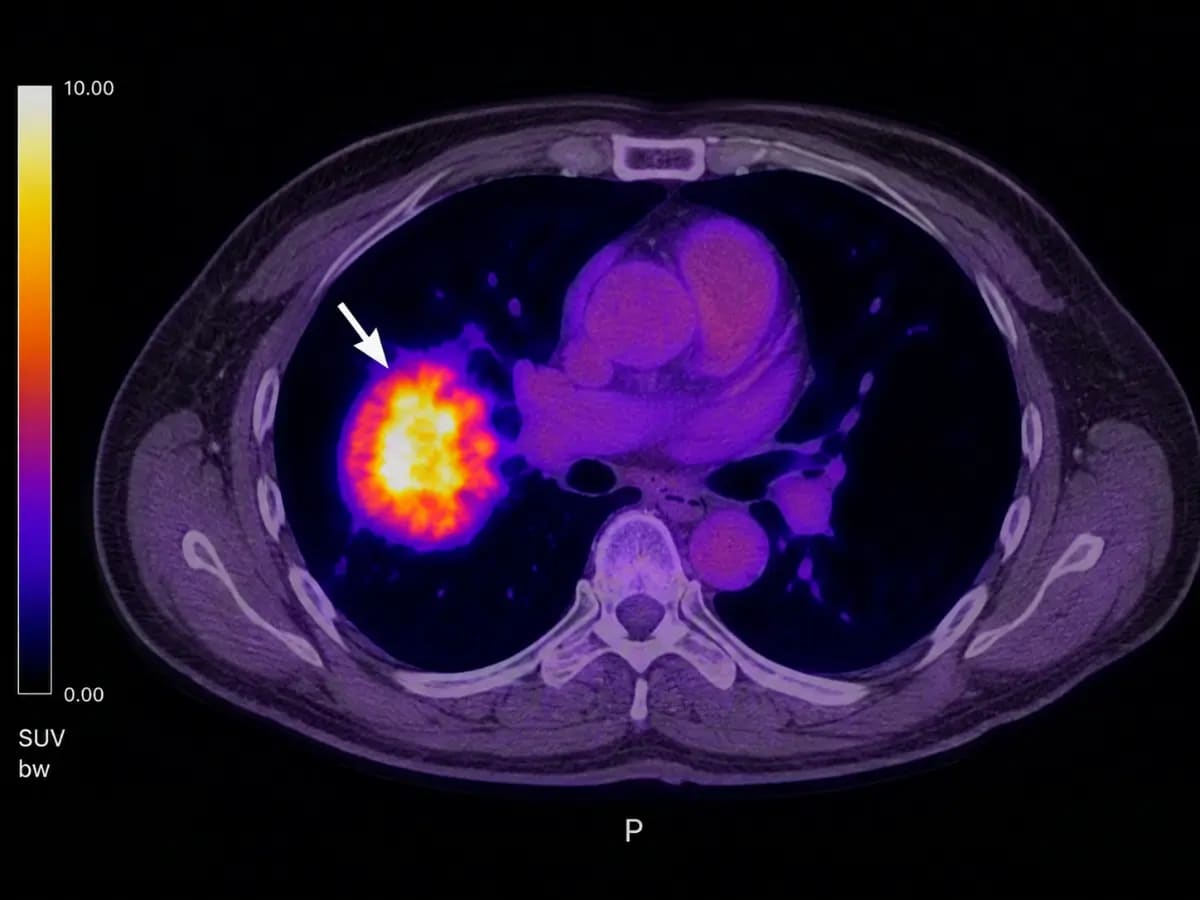
Radiopharmaceuticals, a class of targeted cancer therapies combining radioactive isotopes with pharmaceuticals, are generating significant excitement in oncology. Recent advances have demonstrated their potential to treat previously untreatable cancers, particularly metastatic prostate cancer. However, emerging safety concerns and regulatory scrutiny are creating new obstacles for developers, raising questions about the future pace of innovation in this promising field.
Radiopharmaceuticals have emerged as one of the most promising frontiers in cancer treatment, with two recent FDA approvals in metastatic prostate cancer marking a turning point for the field. The approval of Pluvicto (lutetium Lu 177 vipivotide tetraxetan) in March 2022 and Locametz (kit for the preparation of gallium Ga 68 gozetotide) in December 2022 represented the first FDA approved radiopharmaceuticals in two decades. These therapies use radioactive isotopes to deliver targeted radiation directly to cancer cells, minimizing damage to healthy tissue.
Clinical trials have shown remarkable results, particularly in patients with advanced prostate cancer who have exhausted other treatment options. The Phase 3 VISION trial demonstrated that Pluvicto reduced the risk of death by 38% compared to standard care in patients with progressive, PSMA positive metastatic prostate cancer. Similar enthusiasm surrounds other radiopharmaceuticals in development for breast, lung, and neuroendocrine cancers, with dozens of candidates in clinical trials.



DISCUSSION (0)