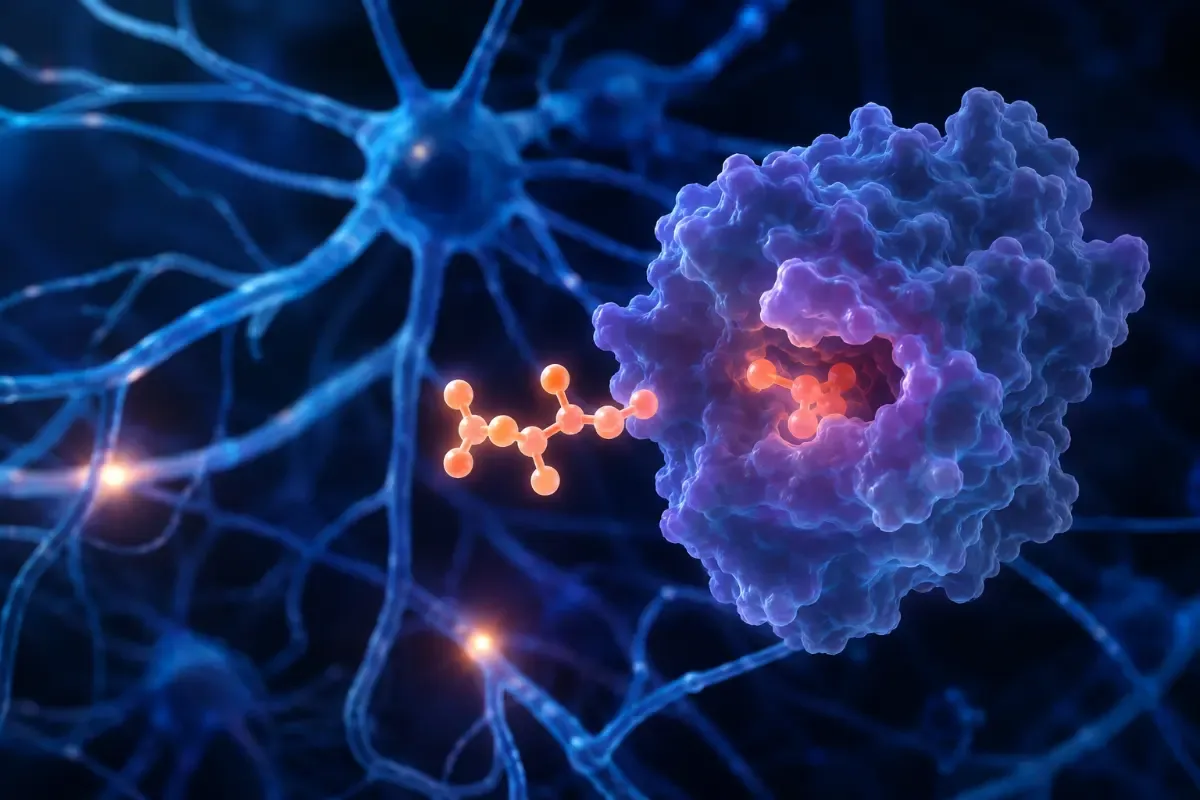
The Icahn School of Medicine at Mount Sinai has made a breakthrough in understanding a long overlooked brain protein tied to epilepsy, autism spectrum disorder, and other neurological conditions. Researchers have revealed the first high resolution structure of NBCn2, a protein critical for regulating acid base balance within brain cells, and developed the first compounds capable of inhibiting its activity.
Published in Nature Communications, the study marks a significant step toward unraveling how dysfunction in NBCn2 contributes to neurological disorders. Until now, scientists lacked detailed knowledge of how the protein functions or how it could be targeted therapeutically.
Using cryo electron microscopy, the team captured unprecedented structural images of NBCn2, revealing how it transports sodium and carbonate ions to maintain cellular acidity, a process essential for proper brain cell function. The findings provide a molecular blueprint for understanding NBCn2’s role in neurological diseases.
'This protein has been largely overlooked despite its clear links to serious neurological disorders,' said senior and co corresponding author Daniel Wacker, Ph.D., associate professor of pharmacological sciences and neuroscience at Mount Sinai. 'Our goal was to understand its molecular function and determine whether it could serve as a viable therapeutic target.'
Building on the structural data, the researchers designed and tested compounds that block NBCn2 activity. In experiments using mouse brain cells and tissue, one compound successfully reduced neuronal electrical signaling, a key indicator of altered brain function. 'For the first time, we were able to pharmacologically control this transporter and observe its direct effects on neuronal activity,' said co corresponding author Bin Zhang, Ph.D., director of the Mount Sinai Center for Transformative Disease Modeling.
The study also uncovered unexpected details about NBCn2’s ion binding mechanism, which differs from related proteins. This distinction could help scientists develop more selective drugs in the future.
While these compounds are not yet viable treatments, they represent early stage research tools that could advance understanding of disorders involving excessive neuronal activity, including epilepsy. The researchers emphasize that much more work is needed to refine their potency and selectivity before potential clinical applications.
The findings offer a promising foundation for future studies into NBCn2’s role in neurological diseases, potentially paving the way for new therapeutic strategies.






DISCUSSION (0)