
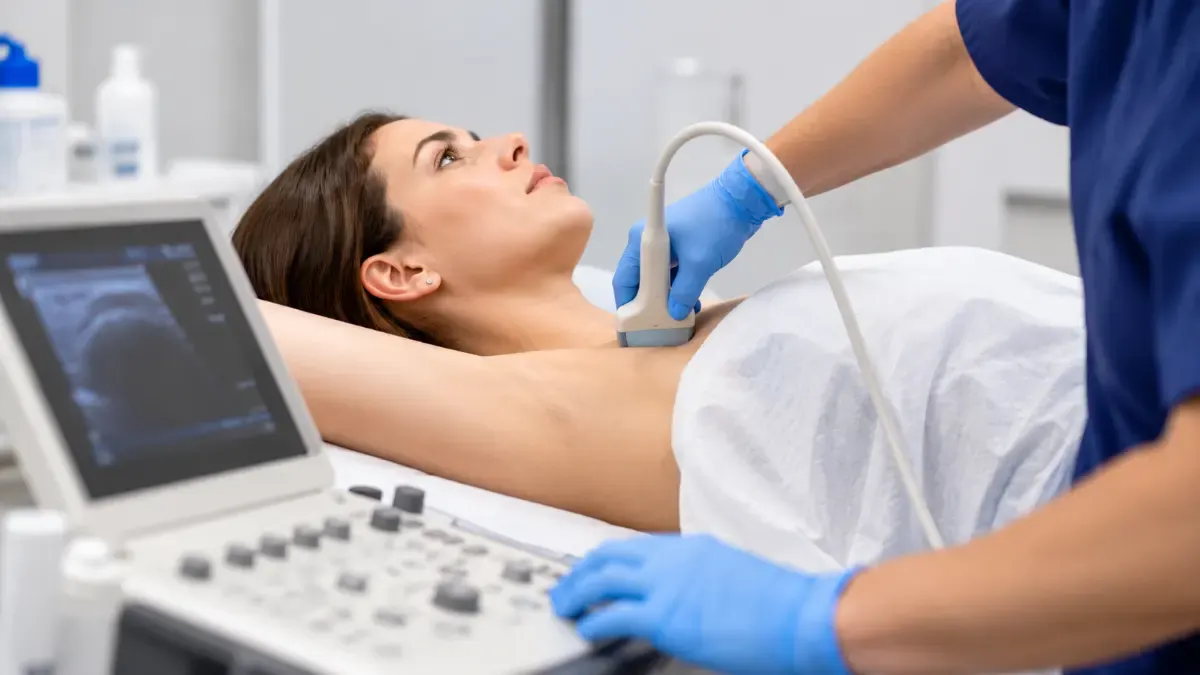
Hundreds of women have begun taking part in a £10 million government funded initiative described as the largest artificial intelligence assisted breast screening trial in the world. Led by the University of Warwick, the University of Cambridge and Cambridge University Hospitals NHS Foundation Trust in collaboration with NHS England, the trial aims to evaluate whether technology can improve early cancer detection while reducing pressure on specialist staff.
Nearly 700,000 women attending routine appointments over the next three years are expected to participate across 30 sites throughout the United Kingdom. Recruitment officially commenced at Cambridge University Hospitals, with additional hospital trusts preparing to open recruitment channels in the coming months as thousands more invitations are issued.
During routine screening, eligible women between the ages of 50 and 71 receive mammograms at local clinics, mobile screening vans or hospital departments every three years. The new study does not alter the actual screening procedure or appointment experience, and participants retain the option to opt out of the evaluation if they prefer not to take part.
Under standard clinical practice, two specialists independently review each set of mammogram images to identify potential abnormalities. The trial is testing whether artificial intelligence tools can act as an effective secondary reader, potentially allowing most routine images to be assessed by a single specialist instead of two without compromising diagnostic accuracy.
Health Secretary Yvette Cooper said during a visit to Addenbrooke's Hospital that the technology could help women receive a breast cancer diagnosis and begin treatment more quickly. Researchers have rigorously evaluated four separate artificial intelligence systems for accuracy to ensure they can be deployed safely and transparently alongside human clinical staff.
Professor Sian Taylor-Phillips, co chief investigator of the trial at the University of Warwick, explained that the software is designed to flag specific regions of a mammogram where early signs of cancer might otherwise be missed. All final clinical decisions regarding diagnosis and subsequent care remain strictly with NHS medical professionals throughout the duration of the study.
Breast cancer remains the most common cancer among women in the United Kingdom, with approximately 55,000 individuals diagnosed annually. Roughly one third of all breast cancers in England are detected through routine screening programs, which help prevent an estimated 1,300 deaths each year by identifying malignancies at early stages when treatment is most effective.
Professor Fiona Gilbert of the University of Cambridge and Cambridge University Hospitals highlighted that only a small fraction of screening mammograms reveal cancer. By streamlining the initial review process for normal scans, the initiative could free up hundreds of radiologists and specialists to focus on advanced diagnostic testing and direct patient care for those with confirmed malignancies.
Leaders across cancer charities and public health organizations welcomed the launch of the evaluation. Michelle Mitchell, chief executive of Cancer Research UK, stated that leveraging advances in data and technology is essential as national cancer cases continue to rise over the coming decade.
Beyond measuring the trial's performance, the research could offer valuable insights into how the NHS can introduce artificial intelligence into breast cancer screening while maintaining clinical oversight. With radiology services facing staffing pressures and growing workloads, researchers are examining whether AI can help specialists review mammograms more efficiently without compromising diagnostic accuracy. Although these tools may help identify suspicious changes that could otherwise be missed, their role in supporting clinical decisions must be carefully evaluated. Maintaining appropriate human oversight will remain important as healthcare services consider expanding the use of AI in screening.








DISCUSSION (0)