
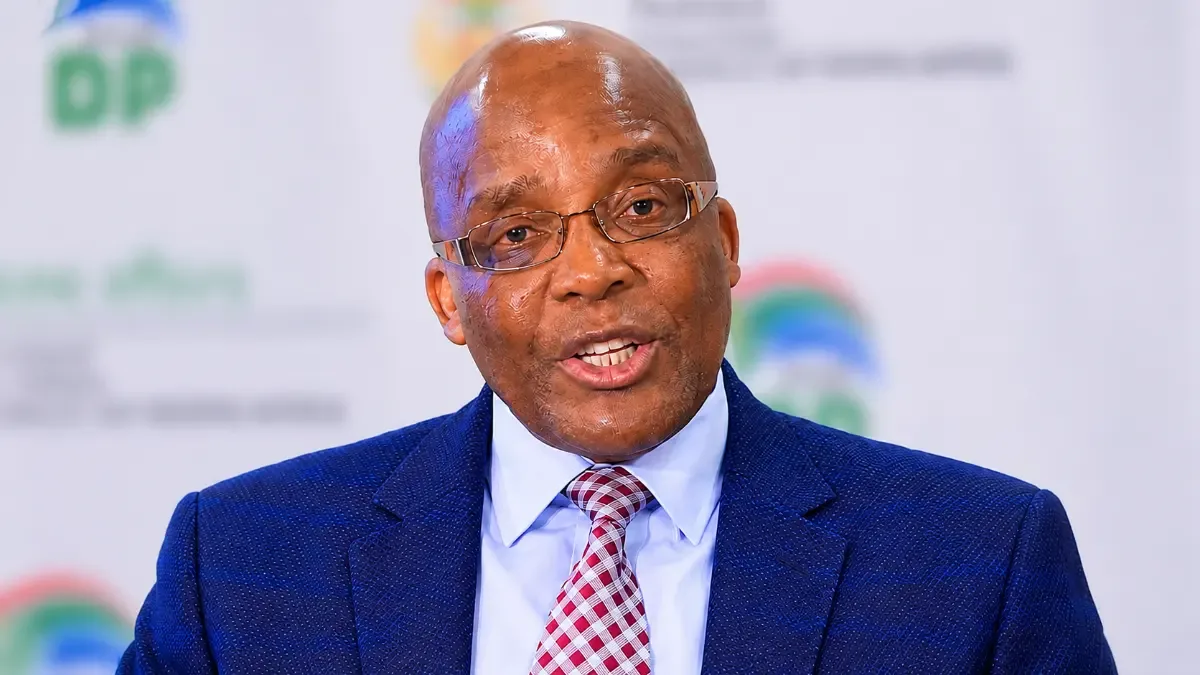
South African Health Minister Aaron Motsoaledi challenged African countries to move beyond discussions of local medical manufacturing by committing directly to purchasing goods produced within the continent. Speaking at the Conference on Public Health in Africa in Addis Ababa, Motsoaledi pointed to systemic weaknesses in intra African trade, noting that the continent continues to trade more with external nations than within its own borders.
To establish sustainable domestic production, Motsoaledi emphasized the necessity of functioning African markets, pooled procurement, regulatory convergence, technology transfer, and long term purchasing guarantees. He highlighted the precedent of South African pharmaceutical manufacturer Aspen securing rights to produce the Johnson and Johnson COVID-19 vaccine during the pandemic, only for the venture to collapse due to a total lack of regional buyers.
Addressing recent developments regarding HIV prevention, Motsoaledi noted that Gilead granted voluntary licenses to six companies to manufacture lenacapavir, the injection that prevents almost all HIV infections. However, not a single initial license was awarded to companies in sub Saharan Africa, the region bearing the heaviest burden of the disease. Following complaints from the South African government, Gilead proved receptive to proposals involving local manufacturers, and the names of three domestic companies have been submitted.
Regional procurement frameworks are beginning to shift in response to these access challenges. Southern African Development Community member states have committed to purchasing lenacapavir produced within the region, establishing a framework where member nations support each other's manufacturing outputs. Discussions throughout the conference focused heavily on reforming global health architecture and enhancing health sovereignty amid dwindling official development assistance.
Highlighting the impact of declining donor support, Zimbabwean Health Minister Dr Douglas Mombeshora explained that his country's health system has traditionally relied on external development assistance alongside government budgets and out of pocket payments. In response, Zimbabwe has prioritized domestic resource mobilization through measures such as an AIDS Levy established in 1999 and the ongoing rollout of the National Healthcare Provision Programme.
Additional financing mechanisms in Zimbabwe include earmarked sin taxes covering sugar taxes, airtime levies, and the road accident fund. The Zimbabwean government has pledged to elevate domestic health spending to at least 15 percent of the national budget while creating 32000 new health worker posts by 2030 to address ongoing staffing shortages and shifting disease burdens.







DISCUSSION (0)