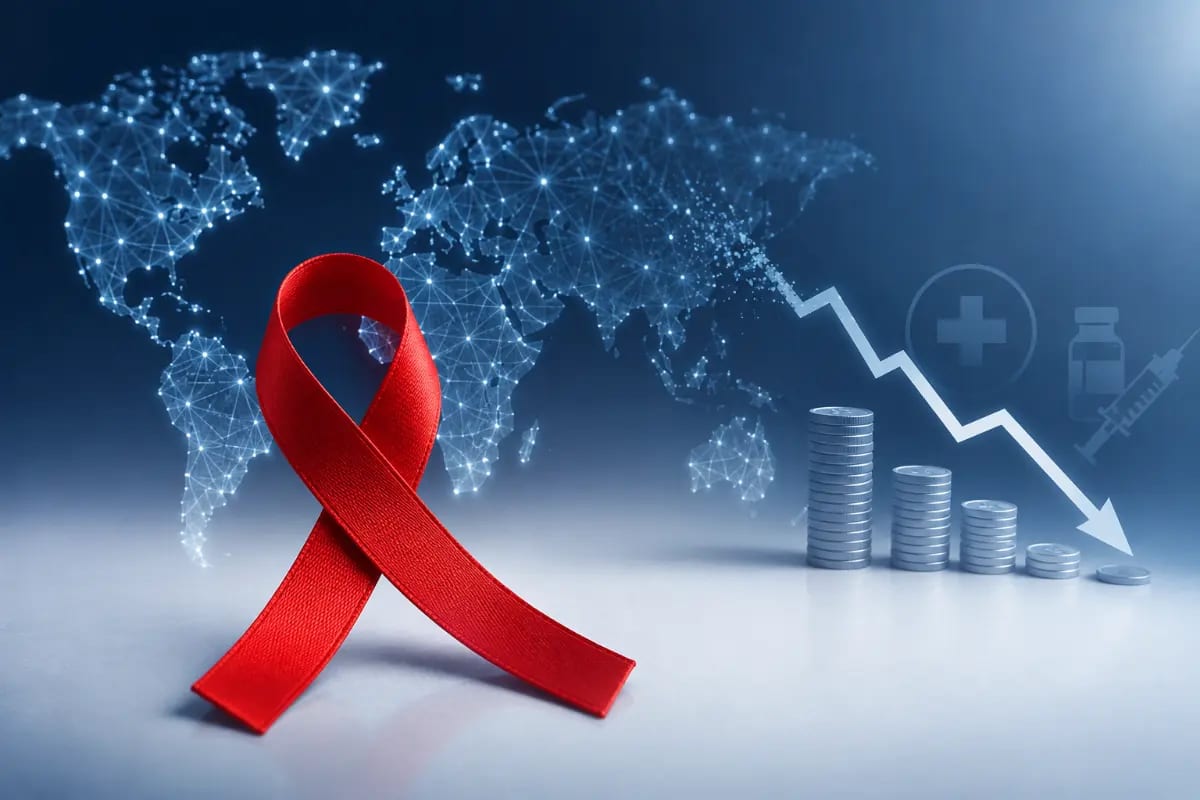
Global funding for HIV programs in low and middle income countries has dropped by 25% in 2025, reaching its lowest level since 2007. A new report by KFF and UNAIDS reveals donor government contributions fell from $8.3 billion in 2024 to $6.2 billion this year. The decline threatens progress in HIV prevention, treatment, and care, particularly in regions heavily reliant on external funding. Rwanda and other nations face critical challenges as they navigate reduced financial support amid ongoing public health demands.
A sharp decline in global HIV funding has raised alarms among public health experts. According to a report released on July 27 by KFF and UNAIDS, donor government contributions to HIV programs in low and middle income countries fell by 25% in 2025, dropping from $8.3 billion in 2024 to $6.2 billion. This marks the lowest funding level since 2007, reversing nearly two decades of progress in the global HIV response.
The report highlights that the reduction is not isolated to a single donor but reflects broader cuts across multiple governments. While the specific reasons for the decline were not detailed in the report, experts suggest shifting political priorities, economic pressures, and competing global health emergencies may have contributed to the funding shortfall.





DISCUSSION (0)