
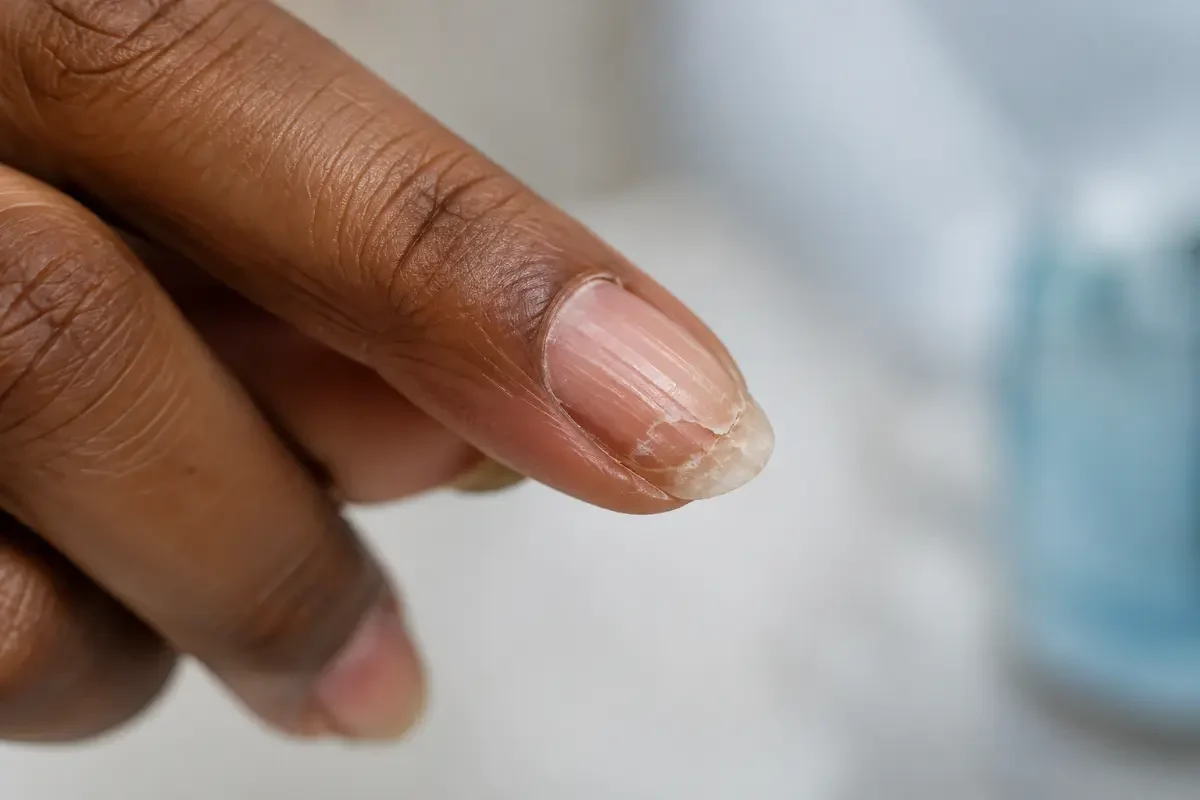
A new multinational study has uncovered a surprising link between popular GLP 1 weight loss medications and nail detachment, hair loss, and scalp inflammation, symptoms that occur far more frequently among users than previously recognized.
Researchers found that people taking GLP 1 receptor agonists, such as Ozempic, Wegovy, Mounjaro, Zepbound, Victoza, and Trulicity, were more than four times as likely to report nail detachment compared to non users. The findings, presented at the European Academy of Dermatology and Venereology (EADV) Congress 2026 , mark the first controlled investigation into these overlooked side effects.
The study compared 575 GLP 1 users from France, the United States, Brazil, and Mexico with 1,329 individuals with type 2 diabetes or obesity who had never taken the drugs. Among users, 39% reported nail detachment, compared to just 9% of non users. Nail discoloration was also significantly more common, affecting 46% of users versus 17% of non users. Overall, 66% of GLP 1 users reported at least one nail disorder, compared to 53% of the control group.
Weight loss alone did not fully explain the nail problems, as researchers accounted for changes in body weight and pre existing conditions. Even after adjusting for these factors, nail detachment and discoloration remained two to three times more common among GLP 1 users. Dr. Charles Taüeb, a study author, noted that while nail changes had previously been anecdotal, the findings suggest a clear association, but not necessarily causation, between the medications and these symptoms.
The study also revealed higher rates of hair loss and scalp issues among GLP 1 users. Half of users reported unusual hair loss, compared to 34% of non users, while scalp redness was approximately three times more frequent. Most users who experienced hair loss also reported other scalp symptoms, such as itching or flaking, suggesting an inflammatory component beyond simple weight related shedding.
Dr. Bruno Halioua, another study author, emphasized that while these symptoms are frequent, they are generally benign and should not prompt users to stop treatment without medical advice. However, the researchers stressed the need for further investigation, as the studies were cross sectional and relied on self reported symptoms rather than clinical examinations.
Future research will involve prospective studies with standardized skin, hair, and nail assessments to determine when these changes occur, their underlying mechanisms, and whether they improve over time. The study was supported by DUCRAY Laboratories, a company specializing in dermatological and hair care products.
While the findings highlight a need for greater awareness among clinicians and patients, the researchers cautioned against overinterpreting the results. They noted that approximately half of GLP 1 users had nail problems before starting treatment, and the studies cannot prove direct causation. Nevertheless, the data suggests that GLP 1 medications may contribute to these symptoms beyond weight loss alone.







DISCUSSION (0)