
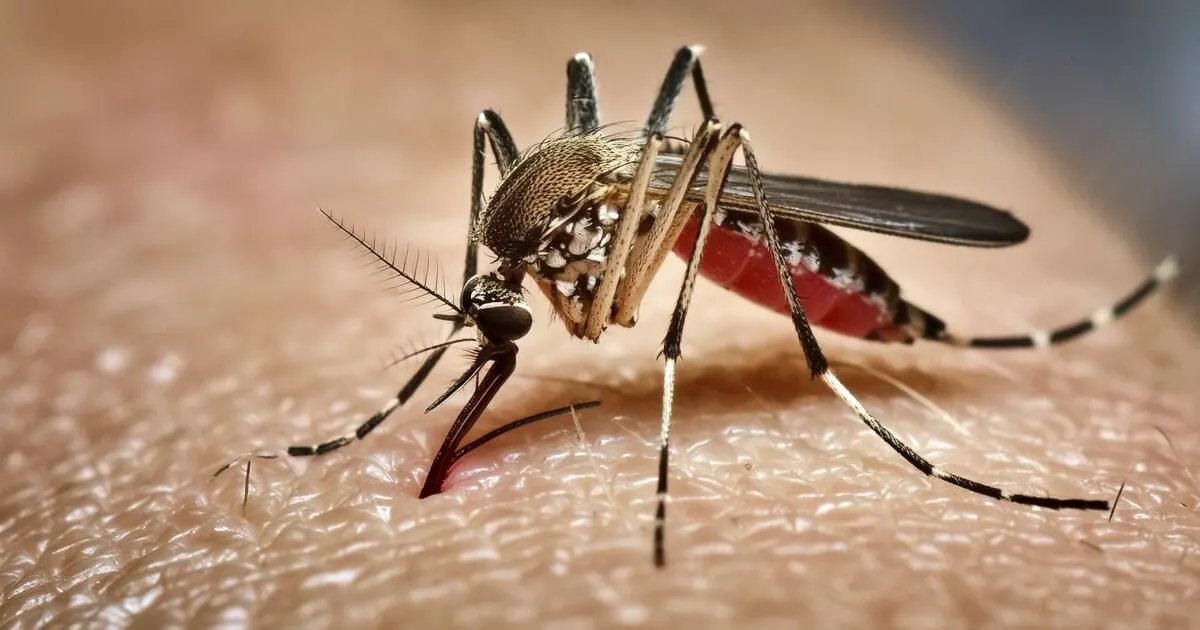
The mosquito, a creature responsible for more human deaths annually than any other animal, has long been a silent but relentless vector of deadly diseases like malaria, West Nile virus, and Zika. Now, Google is deploying a novel strategy to combat these bloodsucking disease carriers: the mass release of sterile male mosquitoes infected with bacteria.
The initiative, part of a broader push into public health innovation, leverages a method known as infectious disease suppression. By releasing millions of sterile male mosquitoes, engineered to carry a non harmful bacteria, the goal is to disrupt the reproductive cycle of wild, disease carrying female mosquitoes. When these sterile males mate with wild females, the resulting eggs remain unviable, gradually reducing the overall mosquito population and, by extension, the risk of disease transmission.
The approach builds on decades of research in vector control, though Google’s involvement marks a significant shift in corporate engagement with public health. While the company has not disclosed the scale of the initial release, experts suggest the strategy could offer a targeted alternative to traditional methods like pesticides, which often face resistance and unintended ecological consequences. The bacteria used, Wolbachia pipientis, has been studied extensively by institutions like the World Health Organization and the Centers for Disease Control and Prevention for its potential to suppress arbovirus transmission without harming humans or beneficial insects.
Yet, the success of such interventions hinges on more than scientific precision. Community acceptance remains a critical hurdle. In Djibouti, for instance, the release of genetically modified mosquitoes has sparked debate, as reported by global health journalists. Local engagement is essential to address concerns about safety, ethics, and environmental impact. Without trust, even the most promising technologies risk being rejected or met with resistance.
Google’s foray into this domain underscores a growing trend: the convergence of technology and public health. As climate change expands the geographic range of mosquito borne diseases, innovative solutions, whether biological, digital, or hybrid, will be necessary to mitigate their impact. For now, the sterile mosquito strategy remains an experiment, but if scaled successfully, it could redefine how communities protect themselves from one of nature’s most formidable threats.








DISCUSSION (0)